
Coming soon. First inventory is in final QC.Coming soon
Compliance
You must be 21 or older. Agree to the following terms before accessing product information and pricing.
Research Use Policy Summary
For laboratory research use only. Not for human or veterinary consumption, diagnostic use, therapeutic use, or clinical use.
Cellular & Longevity Research
Accept the research disclaimer to view pricing and purchase options.
Product Usage Notice · This product is intended strictly for research and laboratory use only. It is designated for in vitro testing and experimental purposes. Any use involving human or animal consumption is prohibited by law. All information provided on this website is for educational purposes only. This product must only be handled by licensed, qualified professionals. It is not intended for use as a drug, food, or cosmetic, and must not be misused, mislabeled, or misrepresented as such. Read full Research Use Policy →
Technical specifications
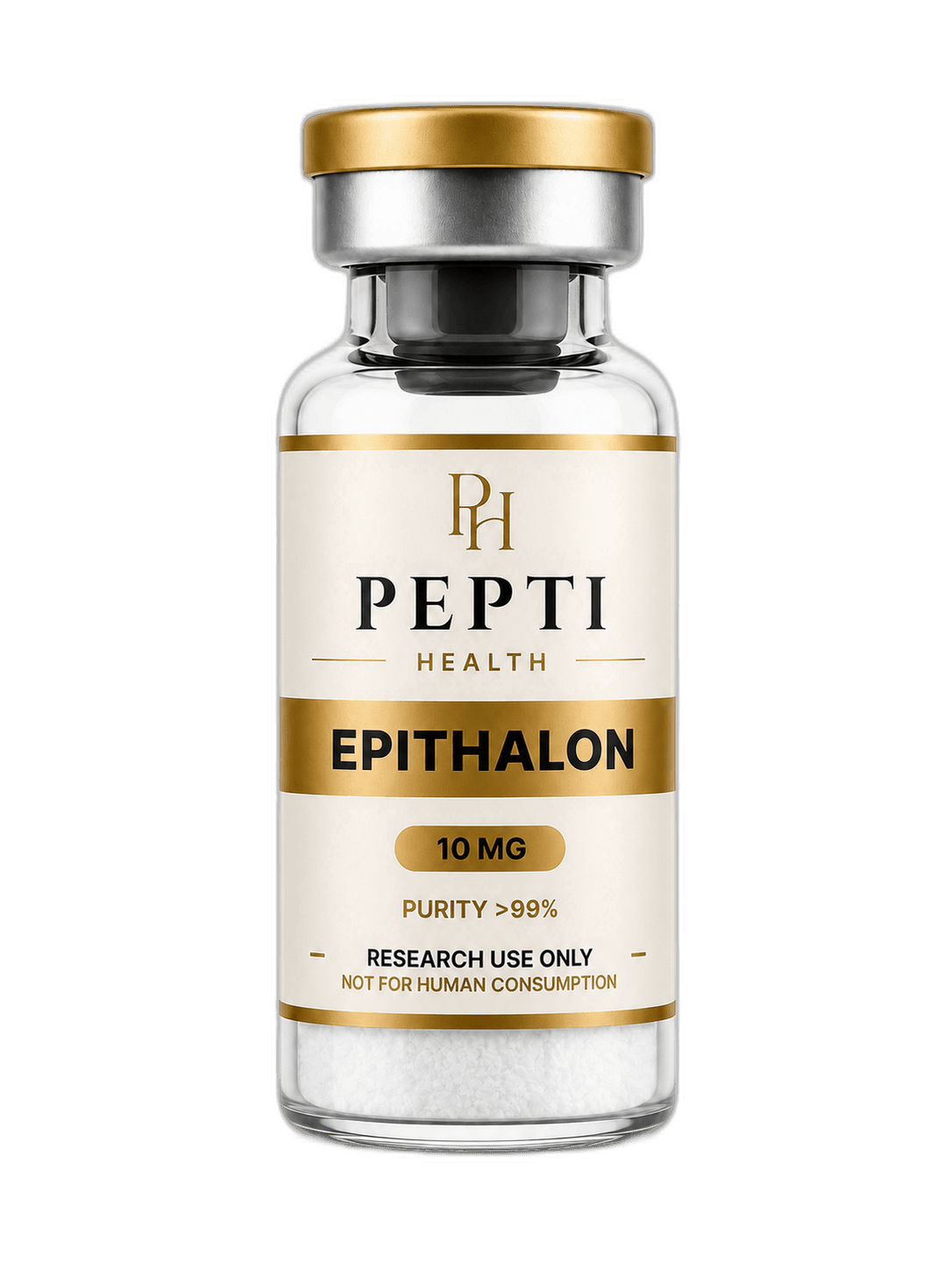
Epithalon (Epitalon) is a synthetic tetrapeptide based on the pineal gland extract Epithalamin, under investigation for telomerase activation, antioxidant properties, and longevity-related mechanisms.
Epitalon Increases Telomere Length in Human Cell Lines Through Telomerase Upregulation or ALT Activity Biogerontology Epitalon induced dose-dependent telomere length extension in normal epithelial and fibroblast cell lines through hTERT mRNA upregulation and telomerase enzyme activation; cancer cell lines showed additional ALT (Alternative Lengthening of Telomeres) pathway activation. Studied strictly in cell-based in vitro models.
View StudyOverview of Epitalon — Highly Bioactive Pineal Tetrapeptide with Promising Properties International Journal of Molecular Sciences Comprehensive review detailing 25 years of epitalon research including telomerase activation mechanisms, methylated DNA binding, histone H1 interaction, and epigenetic regulation of gene expression.
View StudyAEDG Peptide (Epitalon) Stimulates Gene Expression and Protein Synthesis During Neurogenesis: Possible Epigenetic Mechanism Molecules (Basel, Switzerland) Epitalon increased neurogenic differentiation marker synthesis (Nestin, GAP43, beta-Tubulin III, Doublecortin) in human gingival mesenchymal stem cells and upregulated corresponding mRNA expression 1.6–1.8-fold. Molecular modelling indicated preferential binding to H1 histones at DNA-interacting sites, suggesting an epigenetic mechanism for peptide-mediated gene regulation.
View StudyPeptide Regulation of Gene Expression and Protein Synthesis in Bronchial Epithelium Lung Khavinson et al. studied the tetrapeptide ADEL (Ala-Asp-Glu-Leu), a structurally related Khavinson bioregulator peptide, in human bronchial epithelial cell cultures across multiple passages. ADEL regulated Ki67, Mcl-1, p53, and NOS-3 protein levels, modulated bronchial differentiation gene expression (NKX2-1, SCGB1A1, FOXA1, FOXA2), and demonstrated direct DNA binding in the major groove (N7 guanine) in vitro — establishing a DNA-interaction mechanism for short peptide bioregulators of the same research lineage as Epitalon.
View StudyThis compound is supplied strictly for in-vitro and preclinical research use only. Primary applications include the areas below.
Studied in cell-based models for telomerase enzyme activation mechanisms and in vitro telomere length modulation beyond the Hayflick limit.
Investigated in animal models for pineal peptide bioregulation mechanisms and cellular senescence pathway pharmacology.
Lot records organize identity, purity, storage context, and supporting COA documentation for laboratory intake review.
Lot documentation reports 99%+ purity and identity verification by the listed analytical method.
Explore
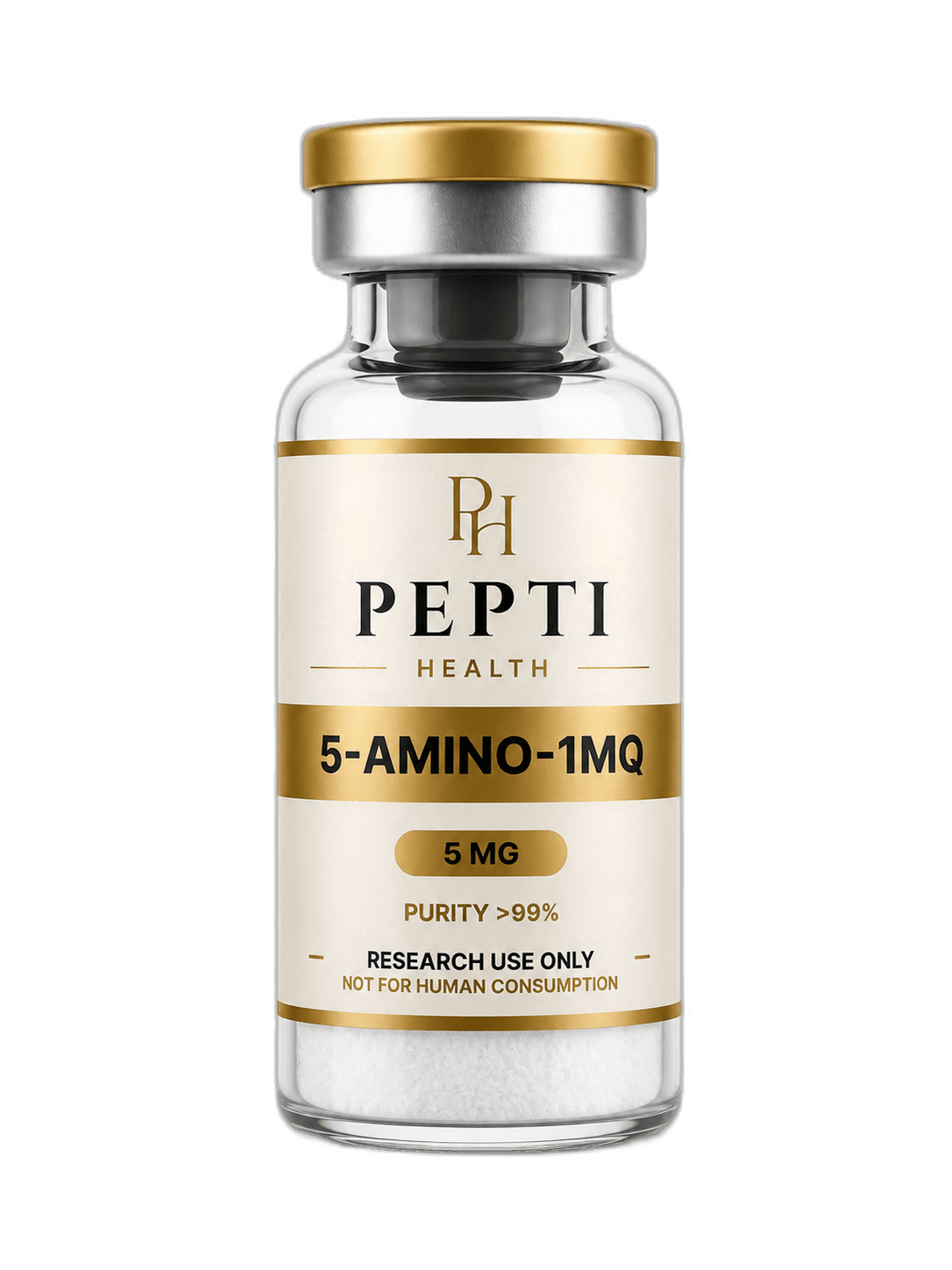 5-Amino-1MQView details
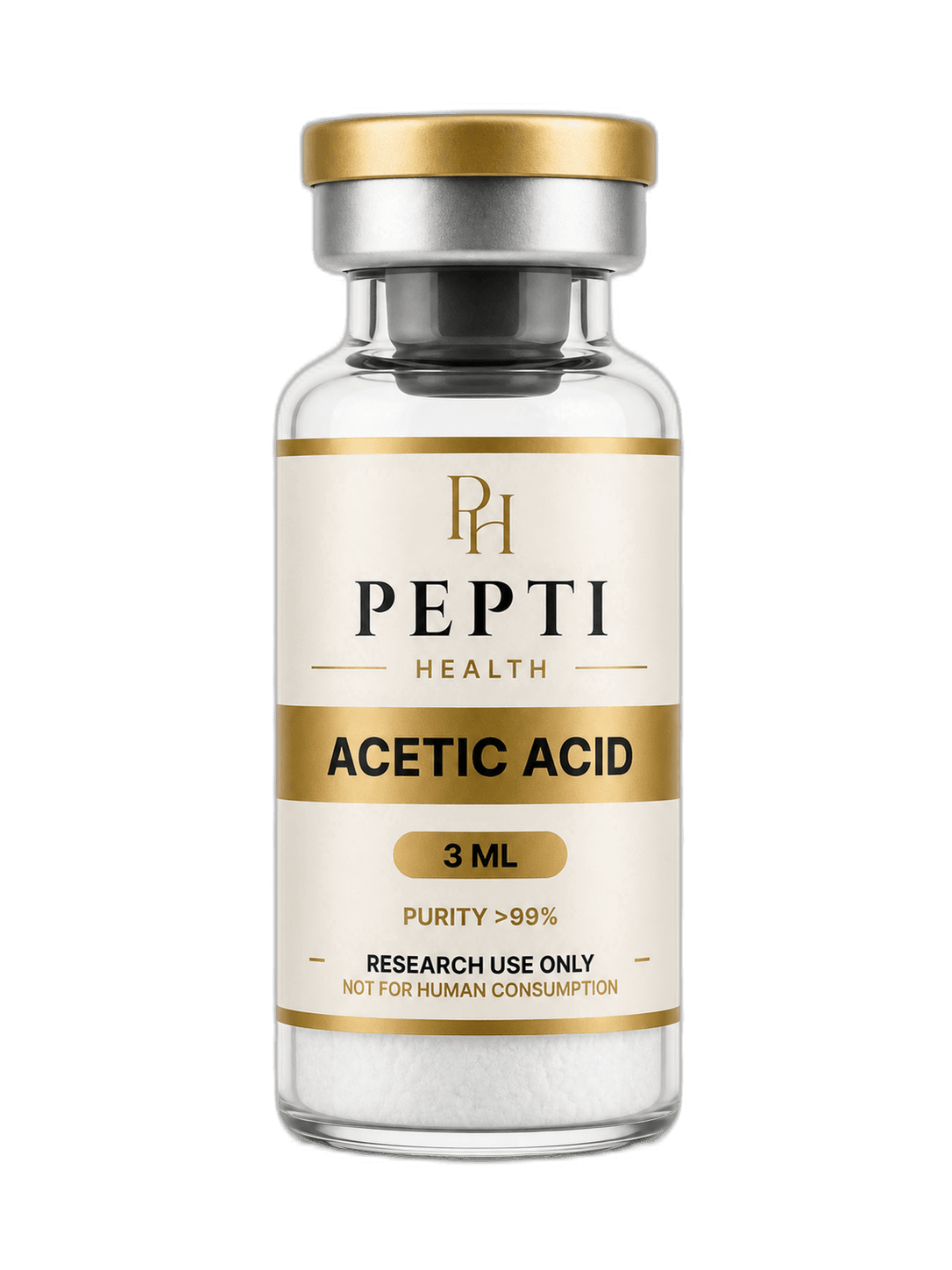 Acetic AcidView details
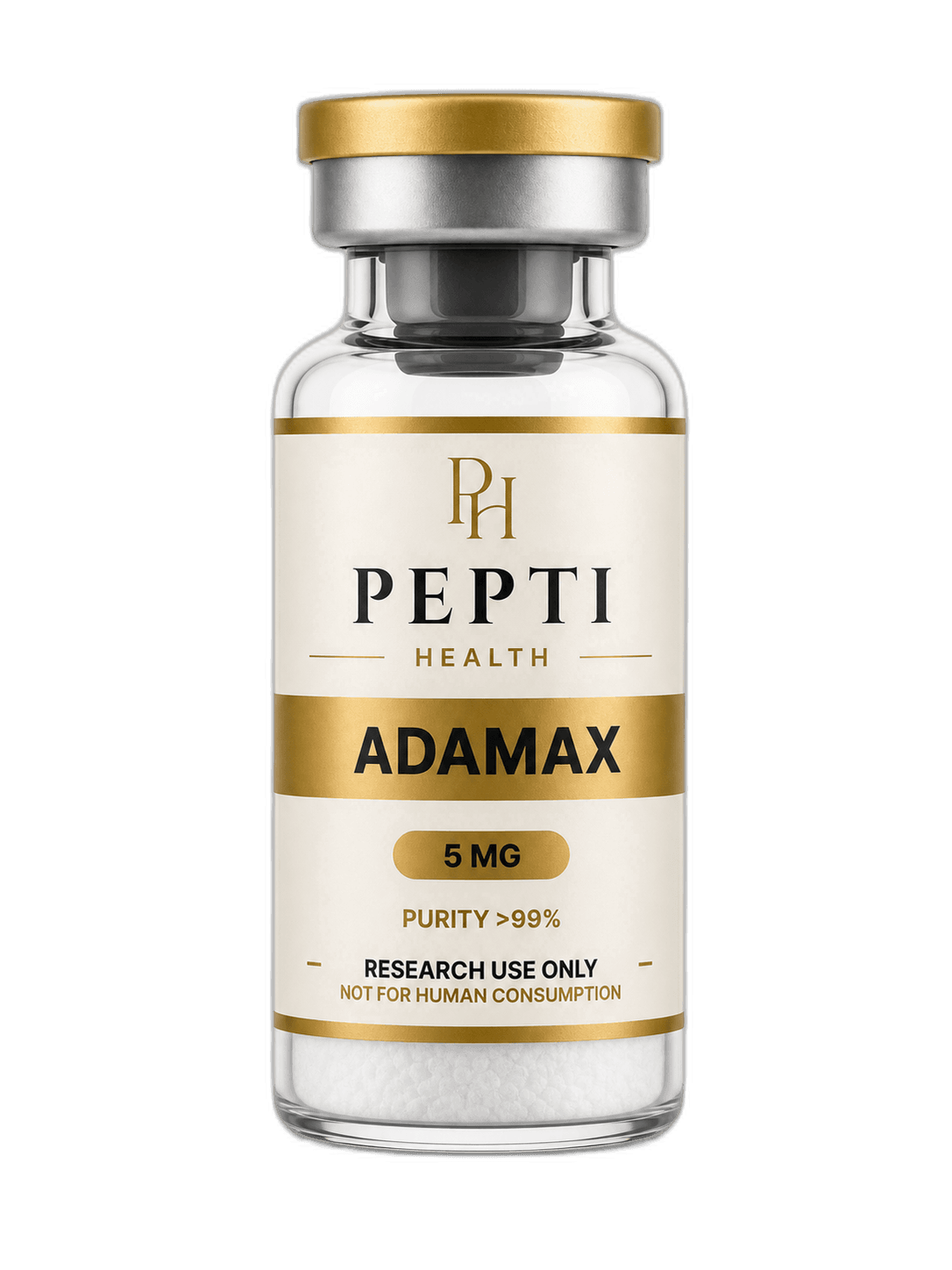 ADAMAXView details
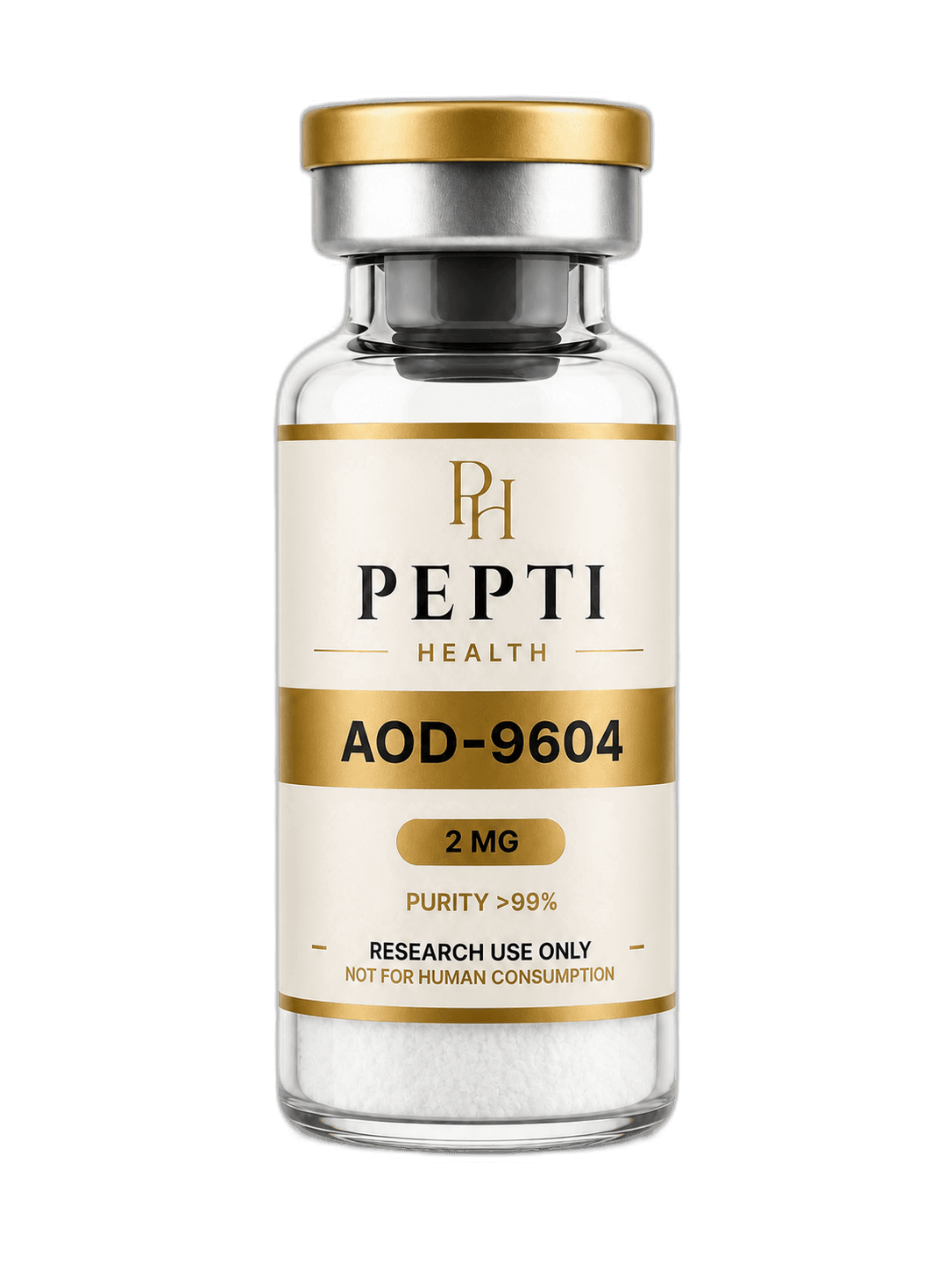 AOD-9604View details
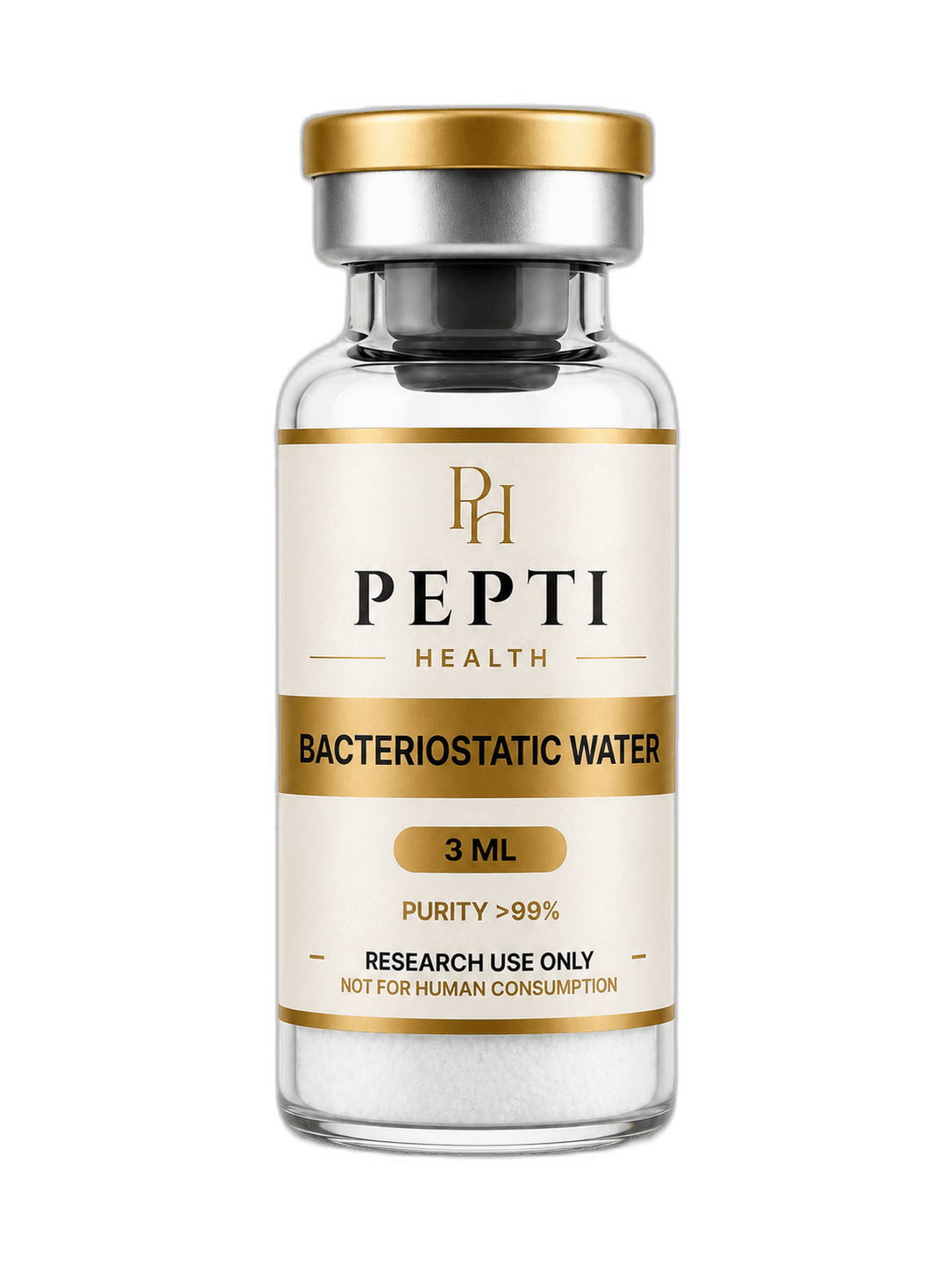 Bacteriostatic WaterView details
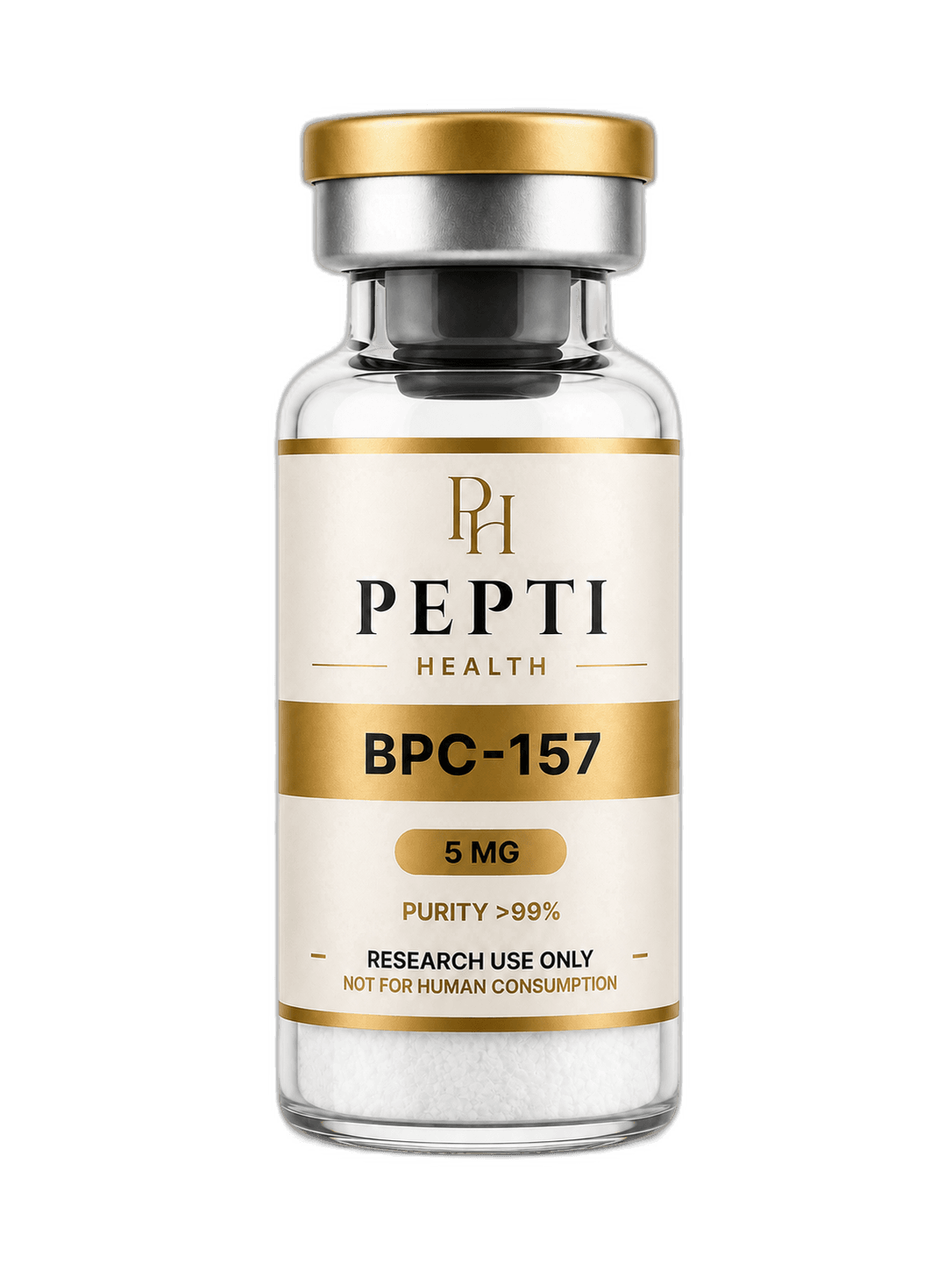 BPC-157View details
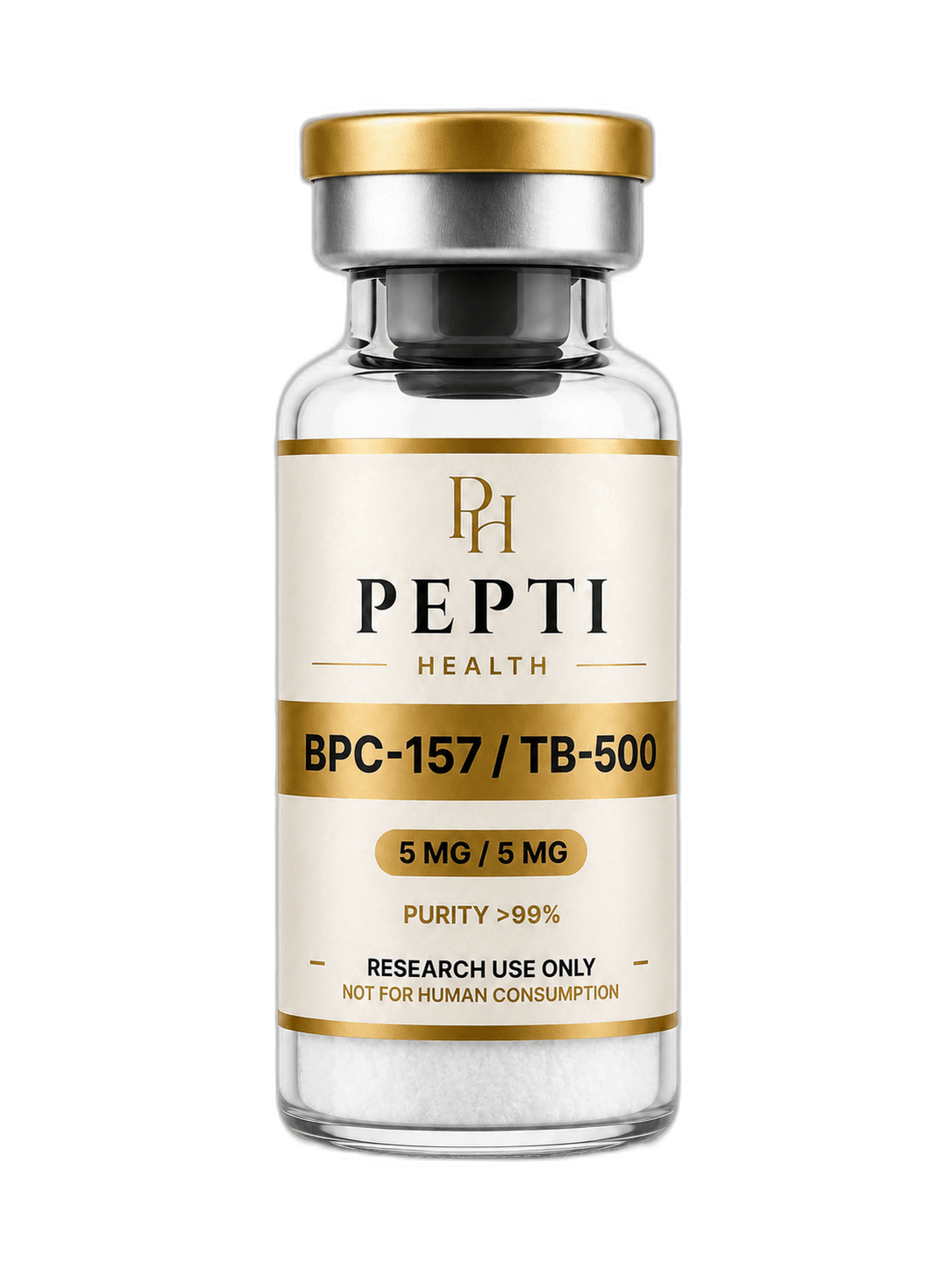 BPC-157, TB-500 (Blend)View details
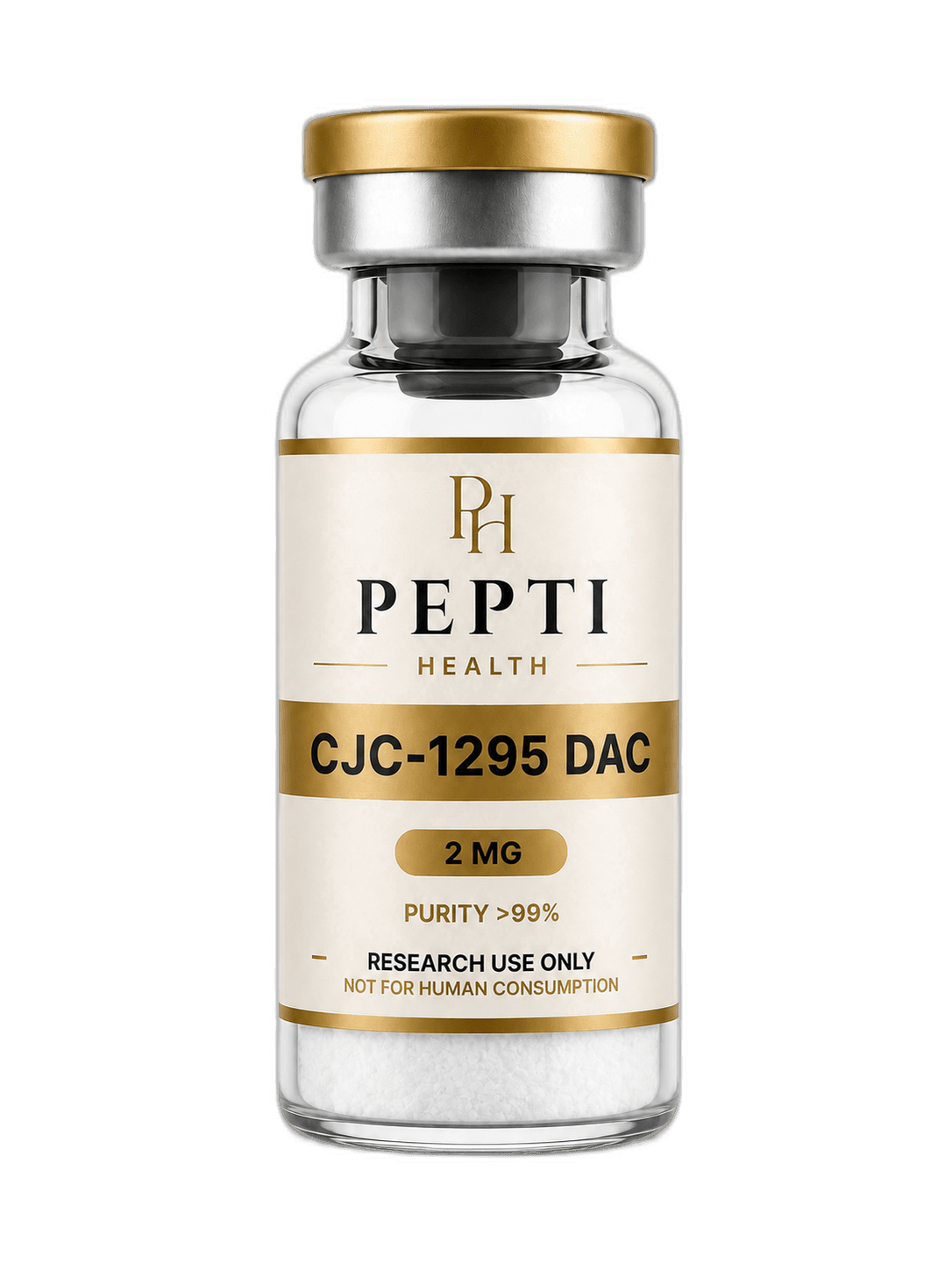 CJC-1295 DACView details
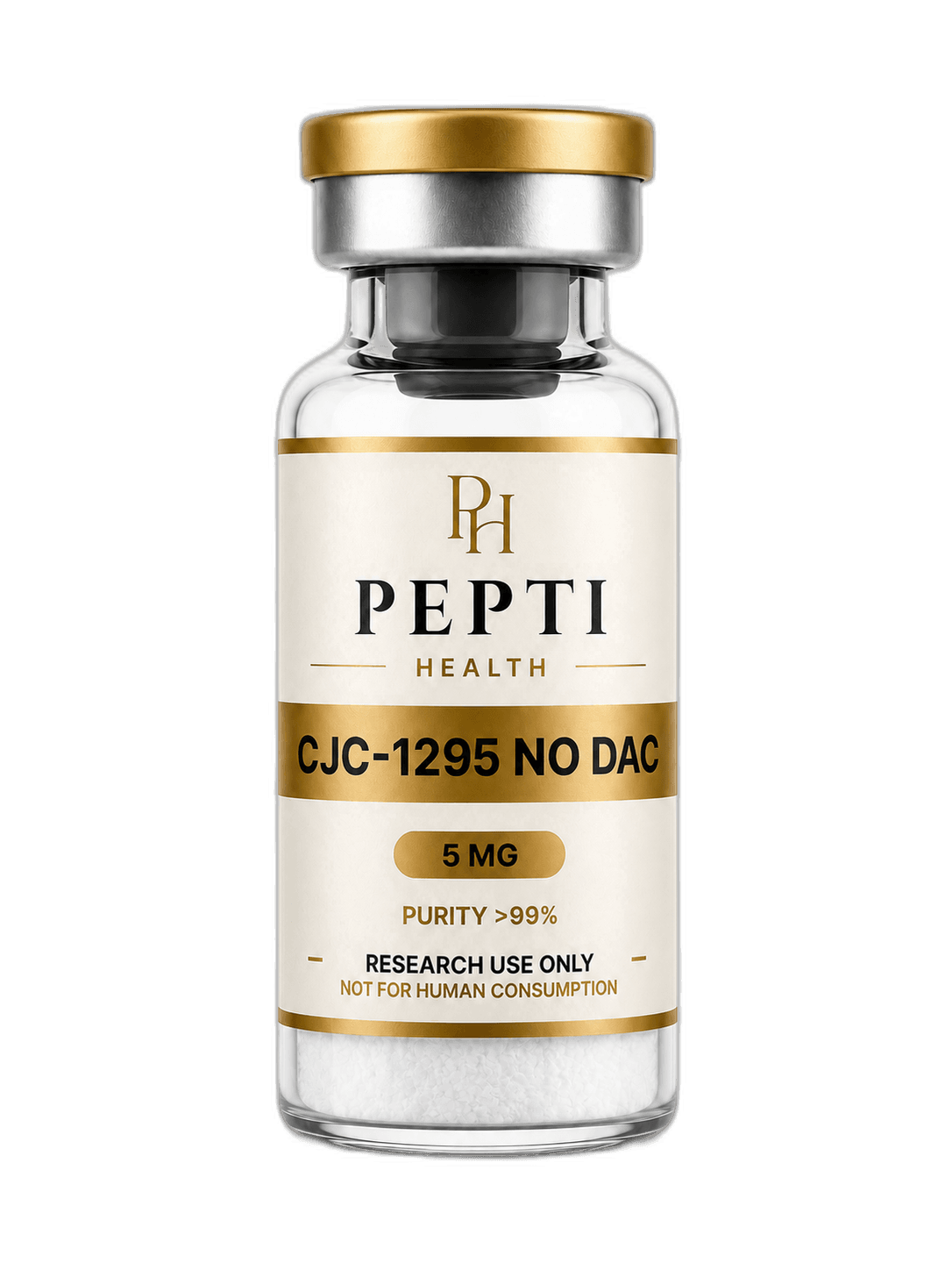 CJC-1295 No DACView details
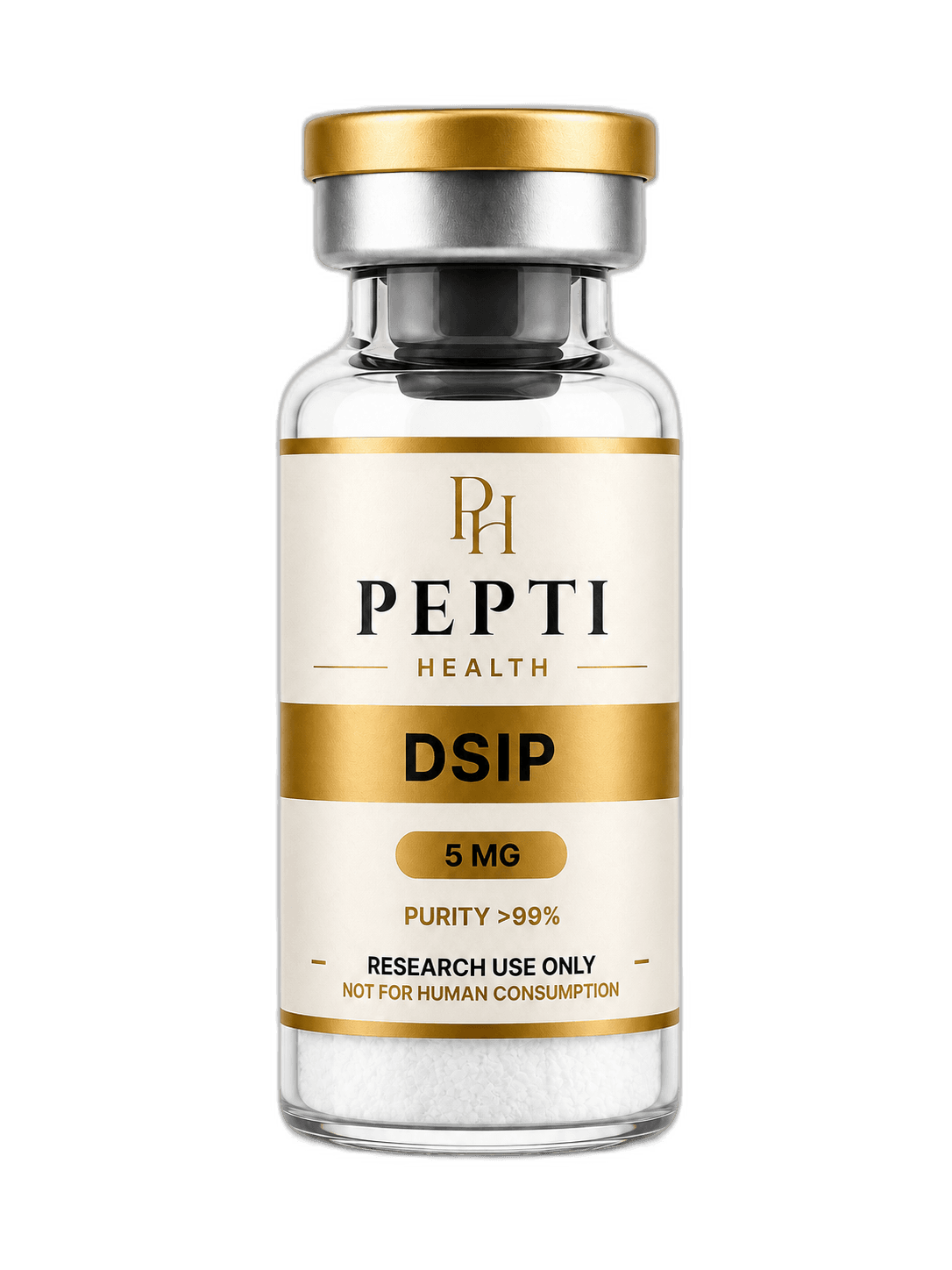 DSIP (Delta Sleep-Inducing Peptide)View details
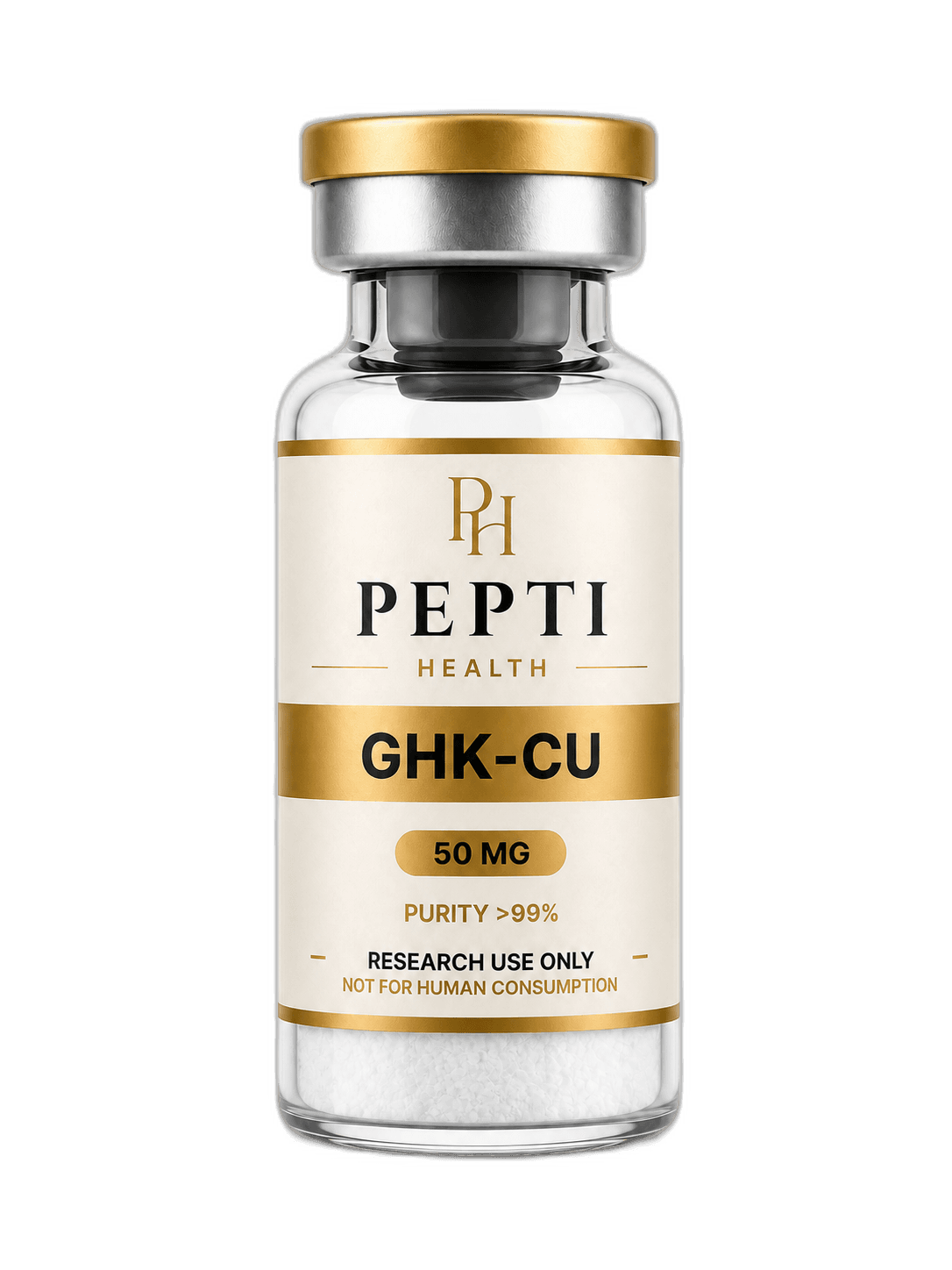 GHK-Cu (Copper Peptide)View details
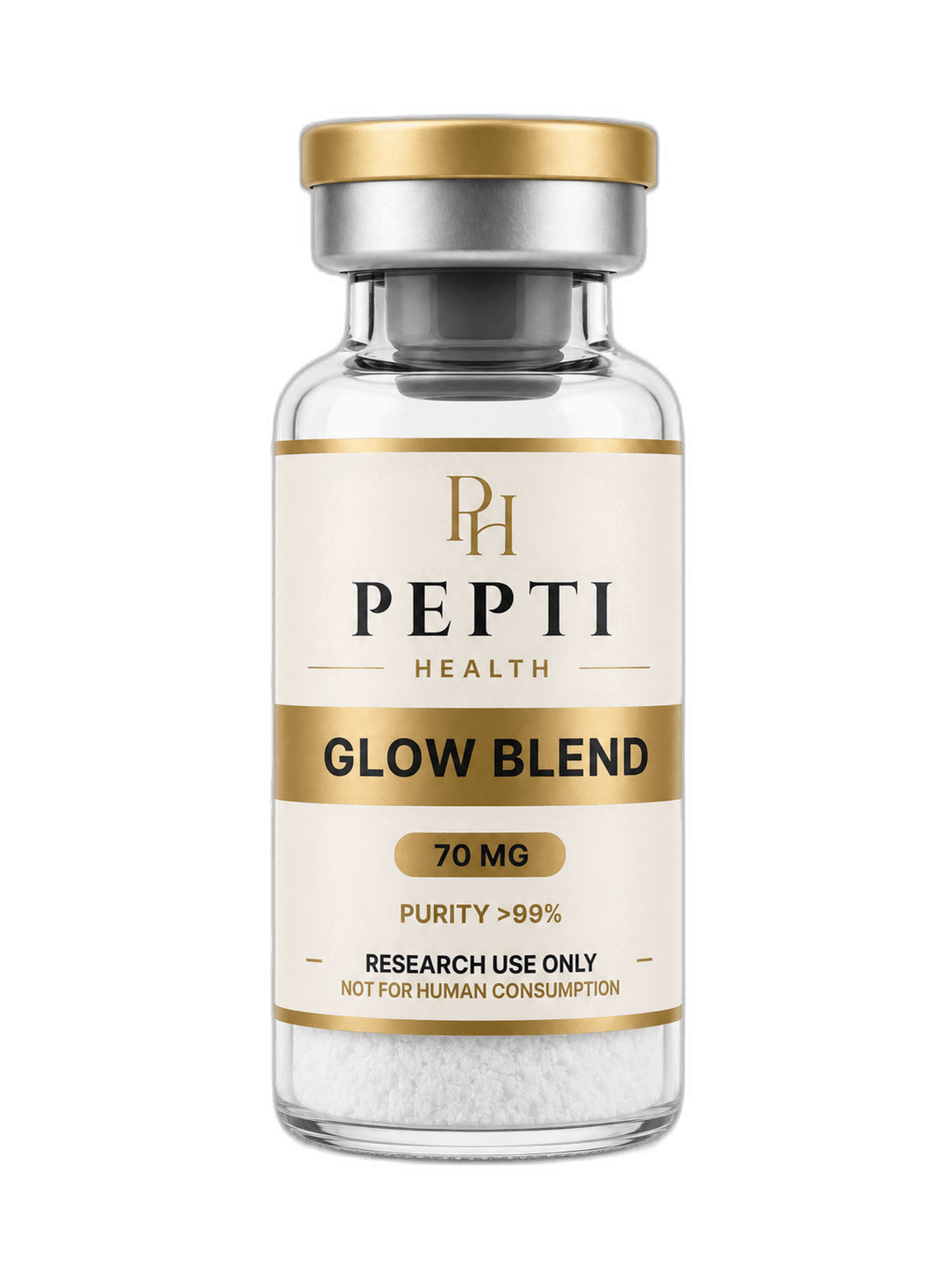 Glow Blend (BPC-157, TB-500, GHK-Cu)View details
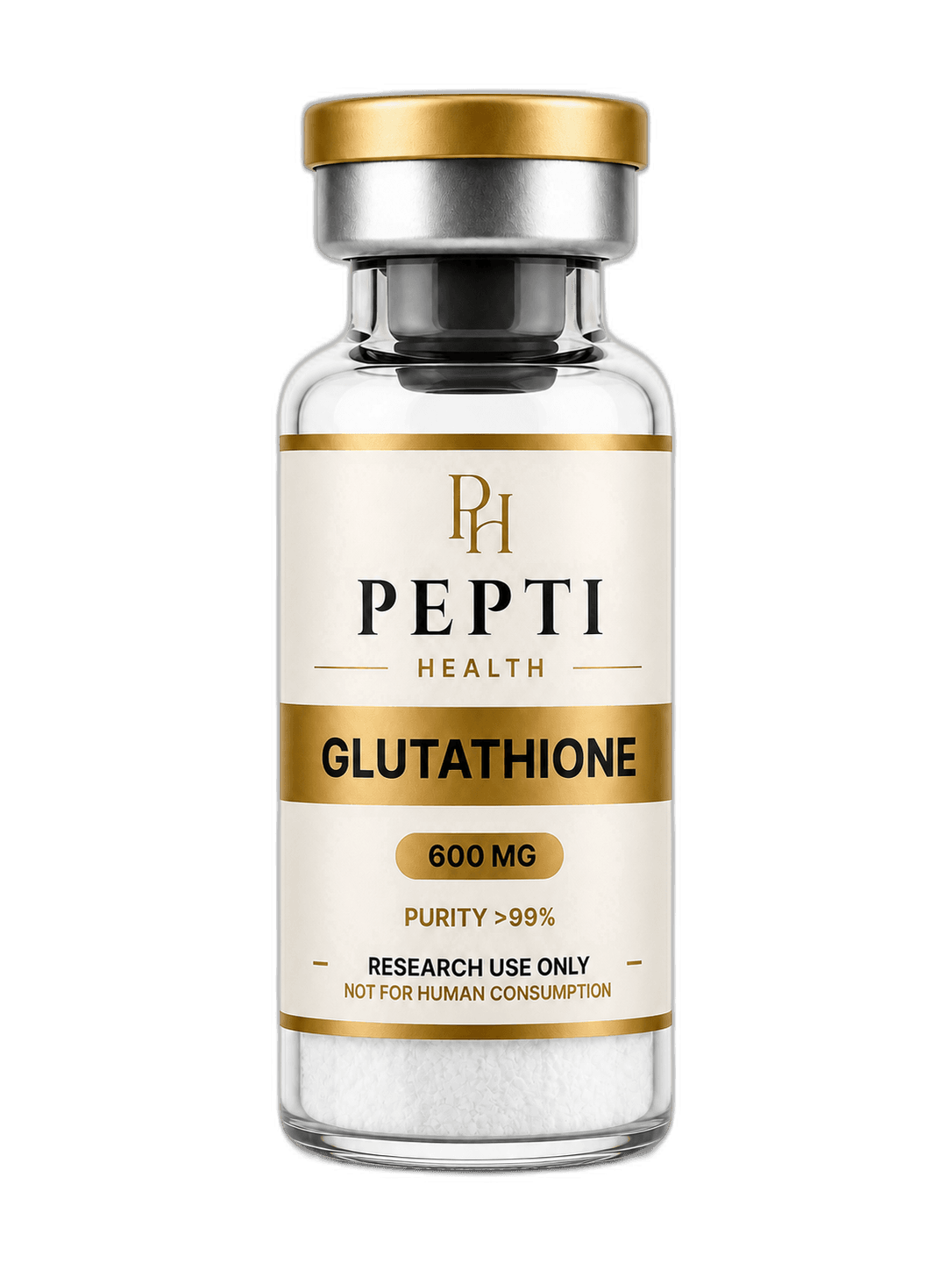 GlutathioneView details
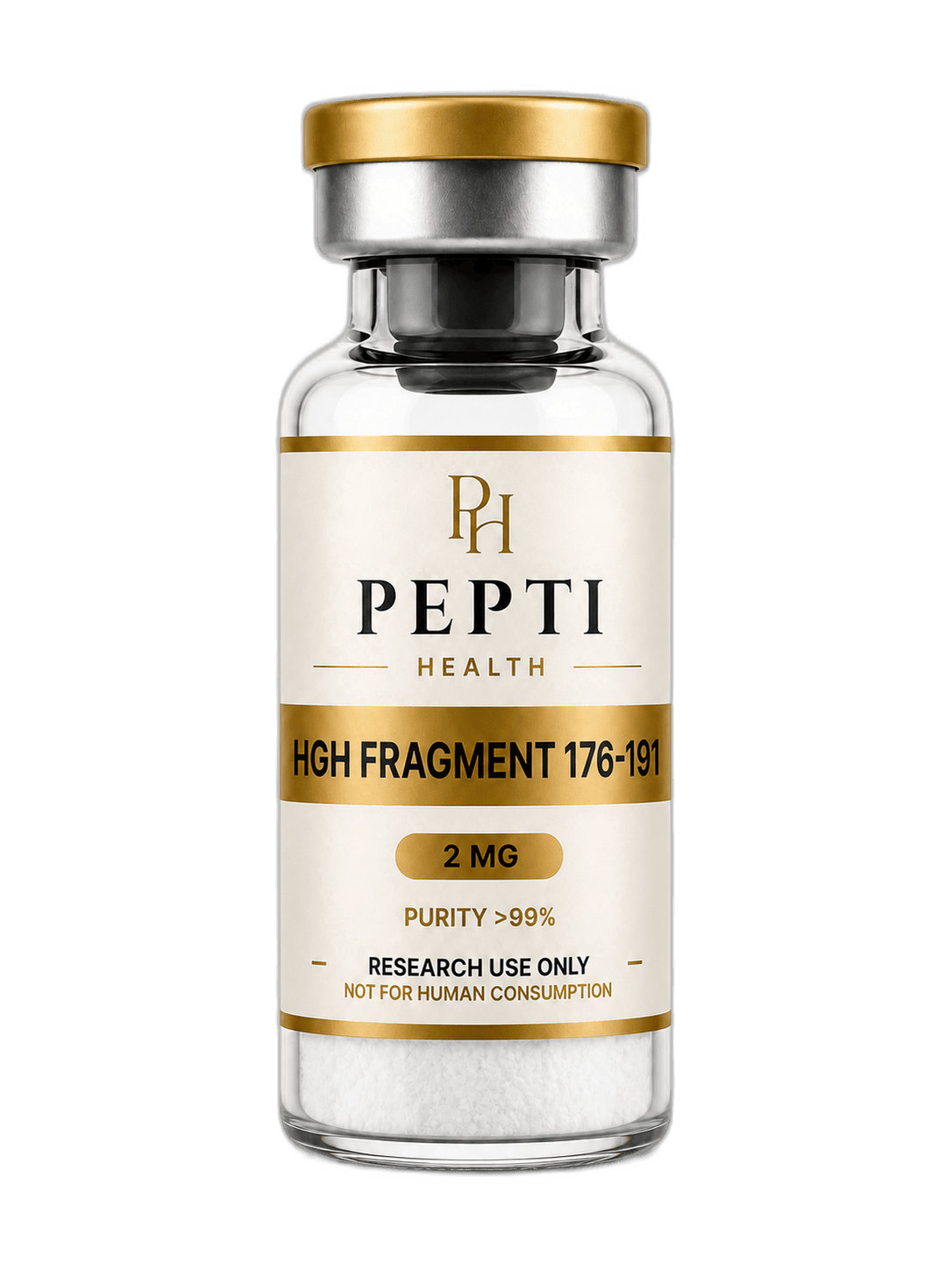 HGH Fragment 176-191View details
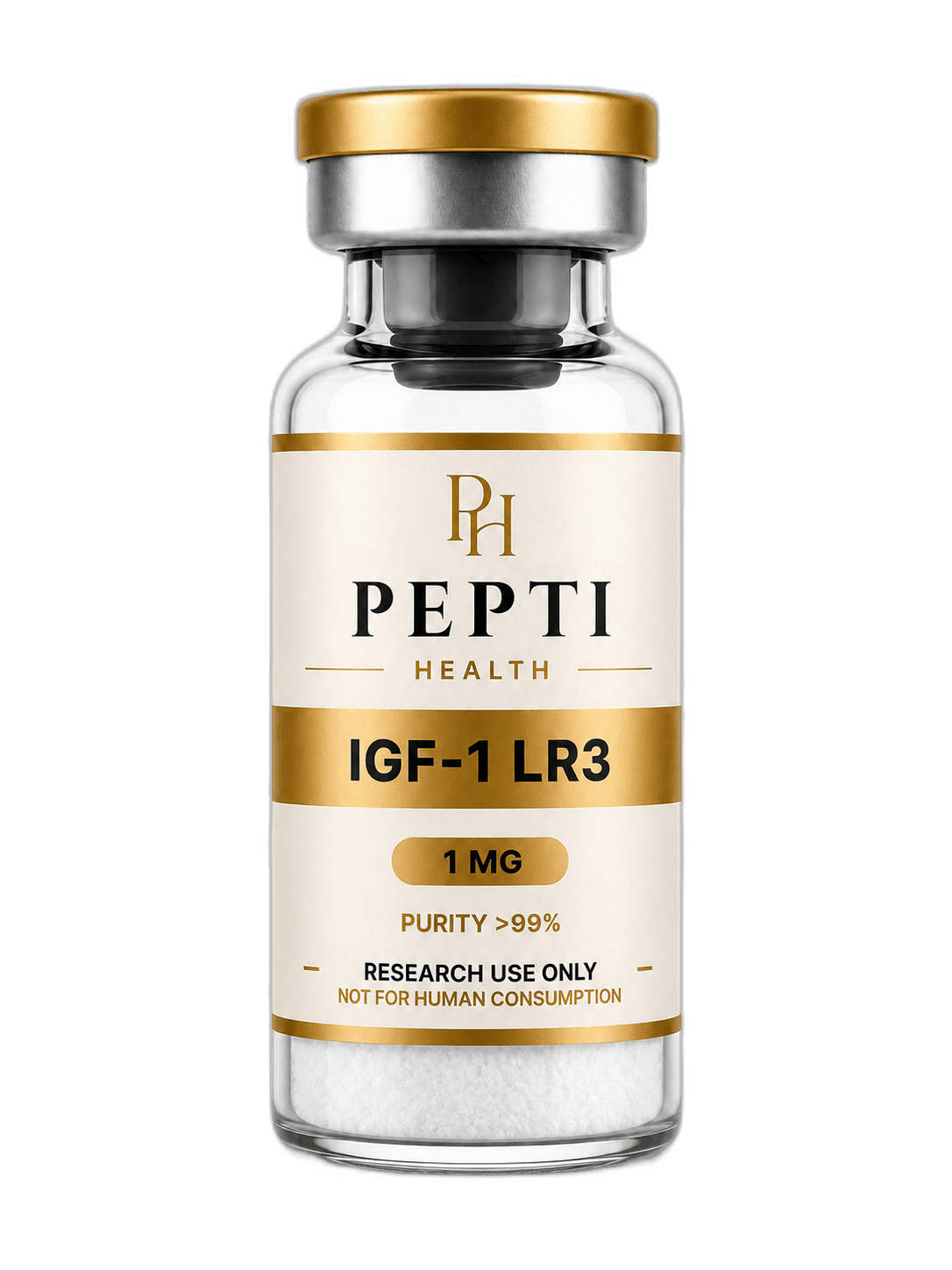 IGF-1 LR3View details
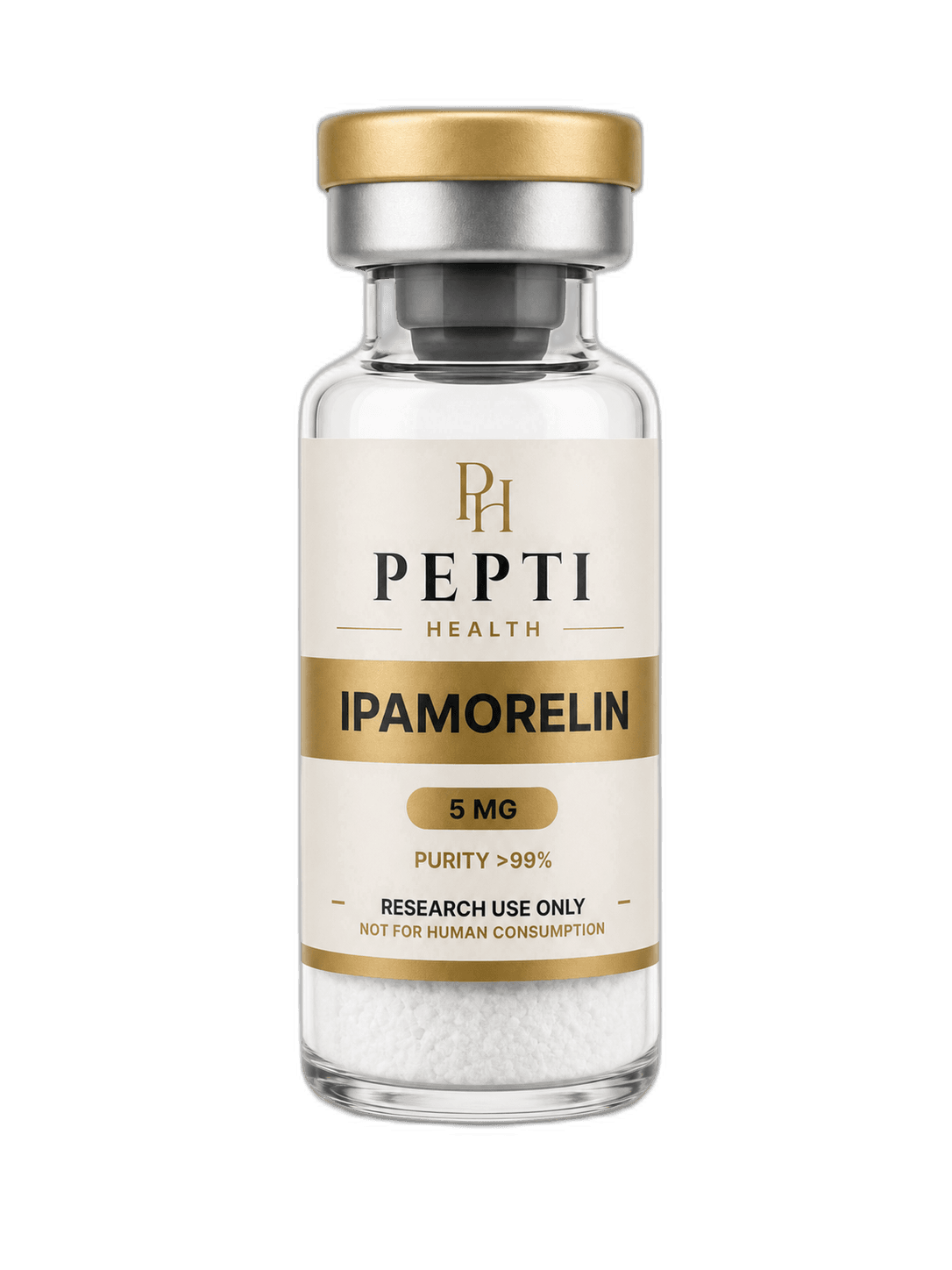 IpamorelinView details
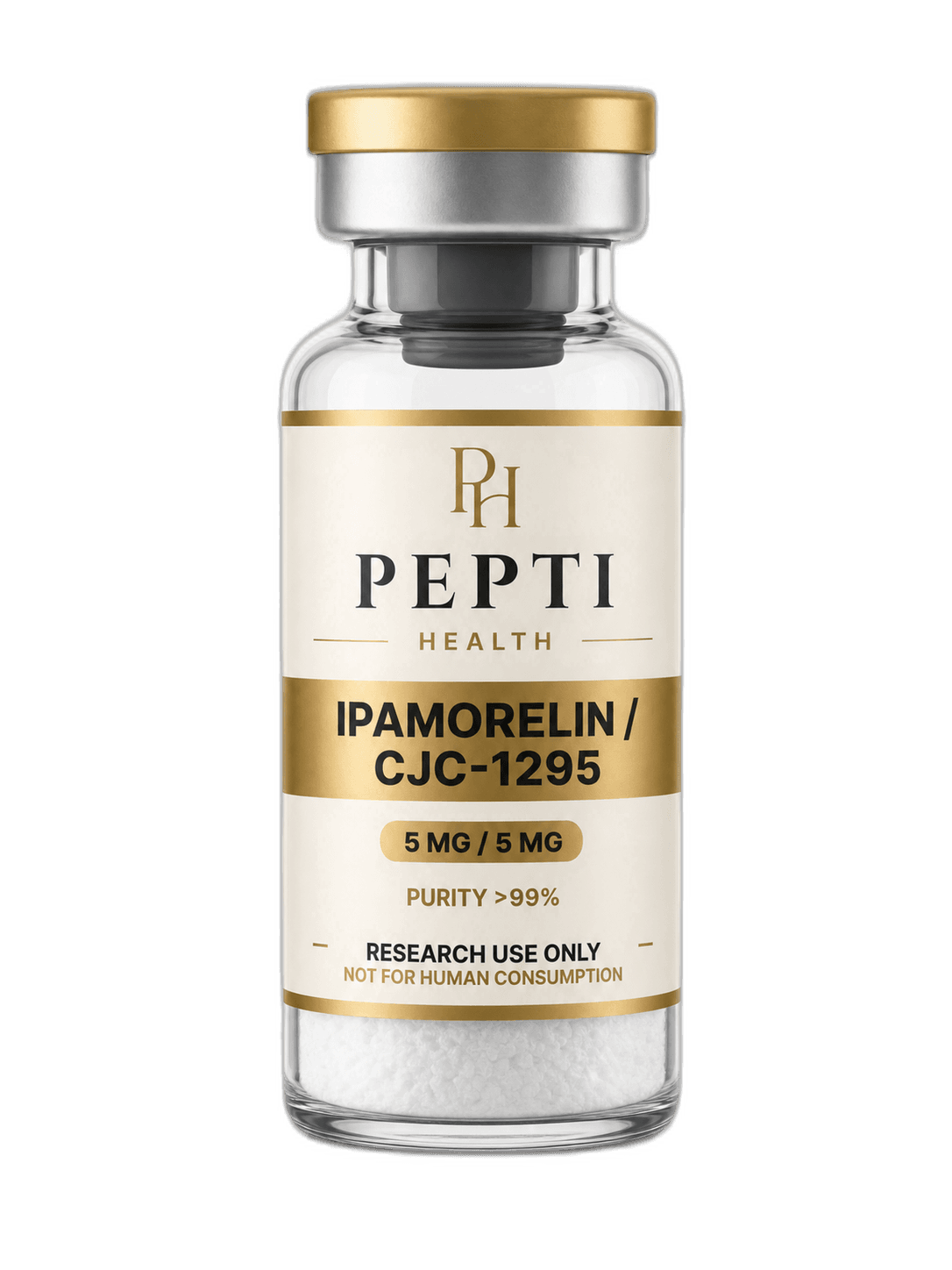 Ipamorelin, CJC-1295 No DAC (Blend)View details
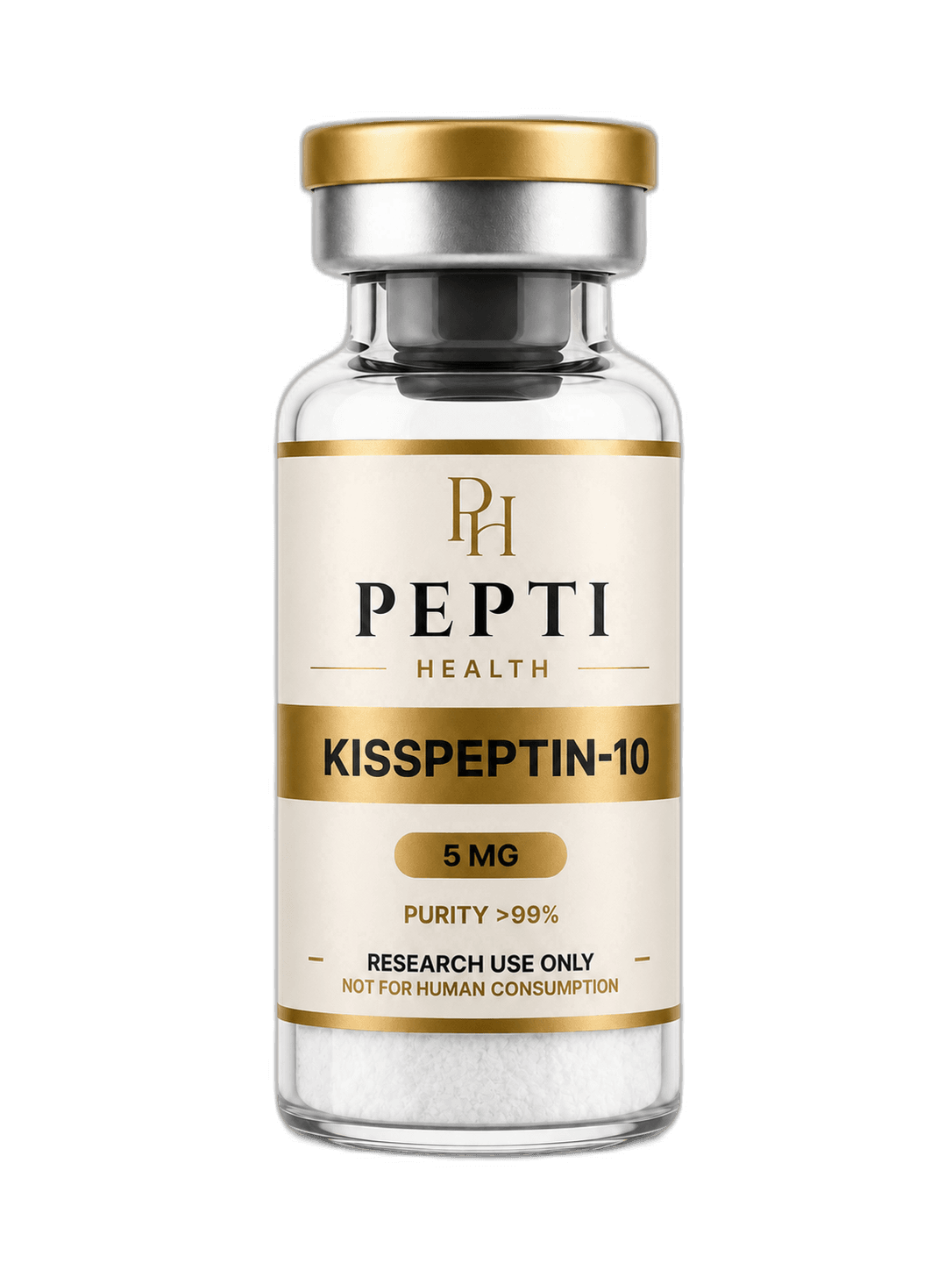 Kisspeptin-10View details
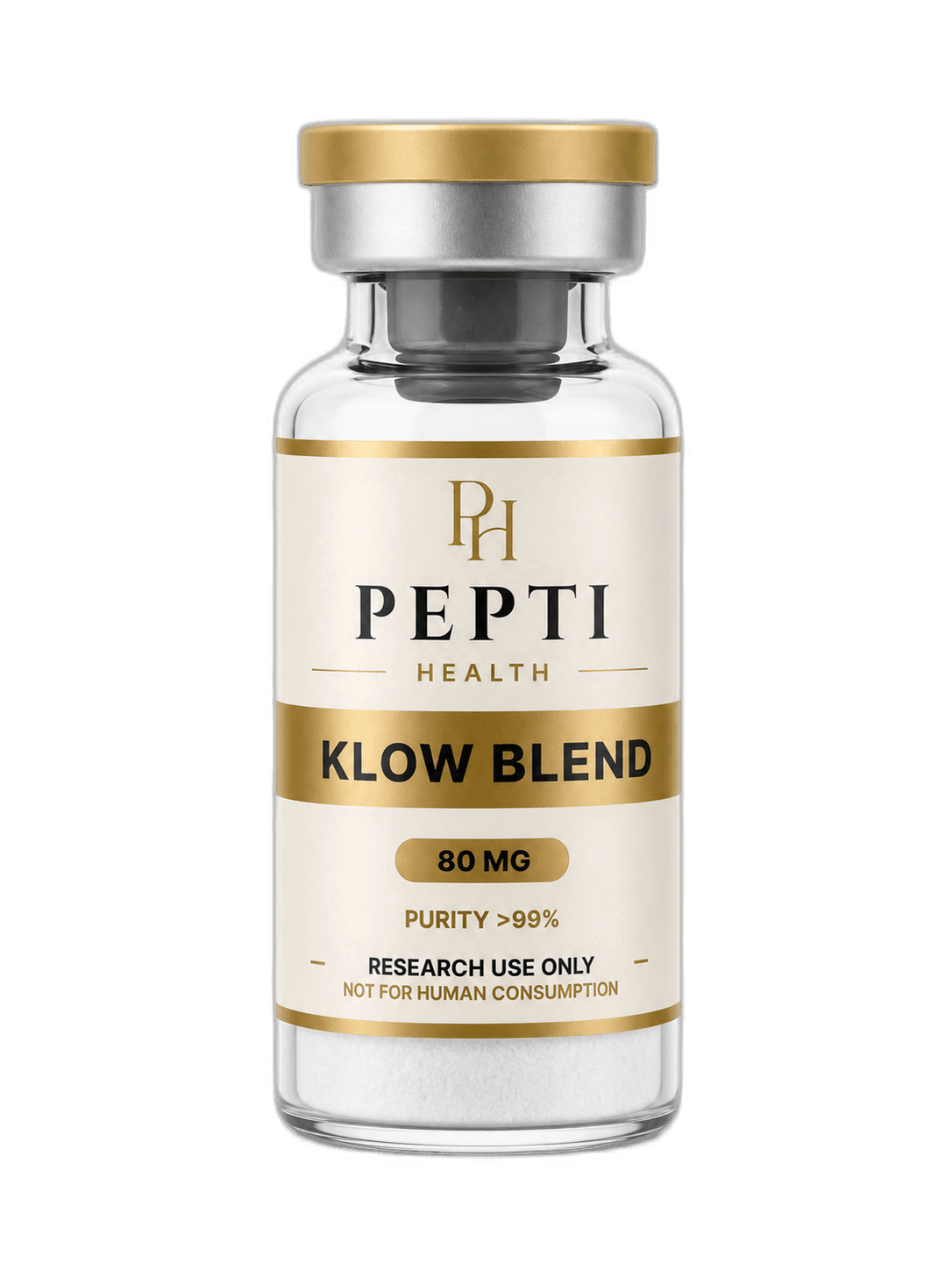 Klow Blend (BPC-157, TB-500, GHK-Cu, KPV)View details
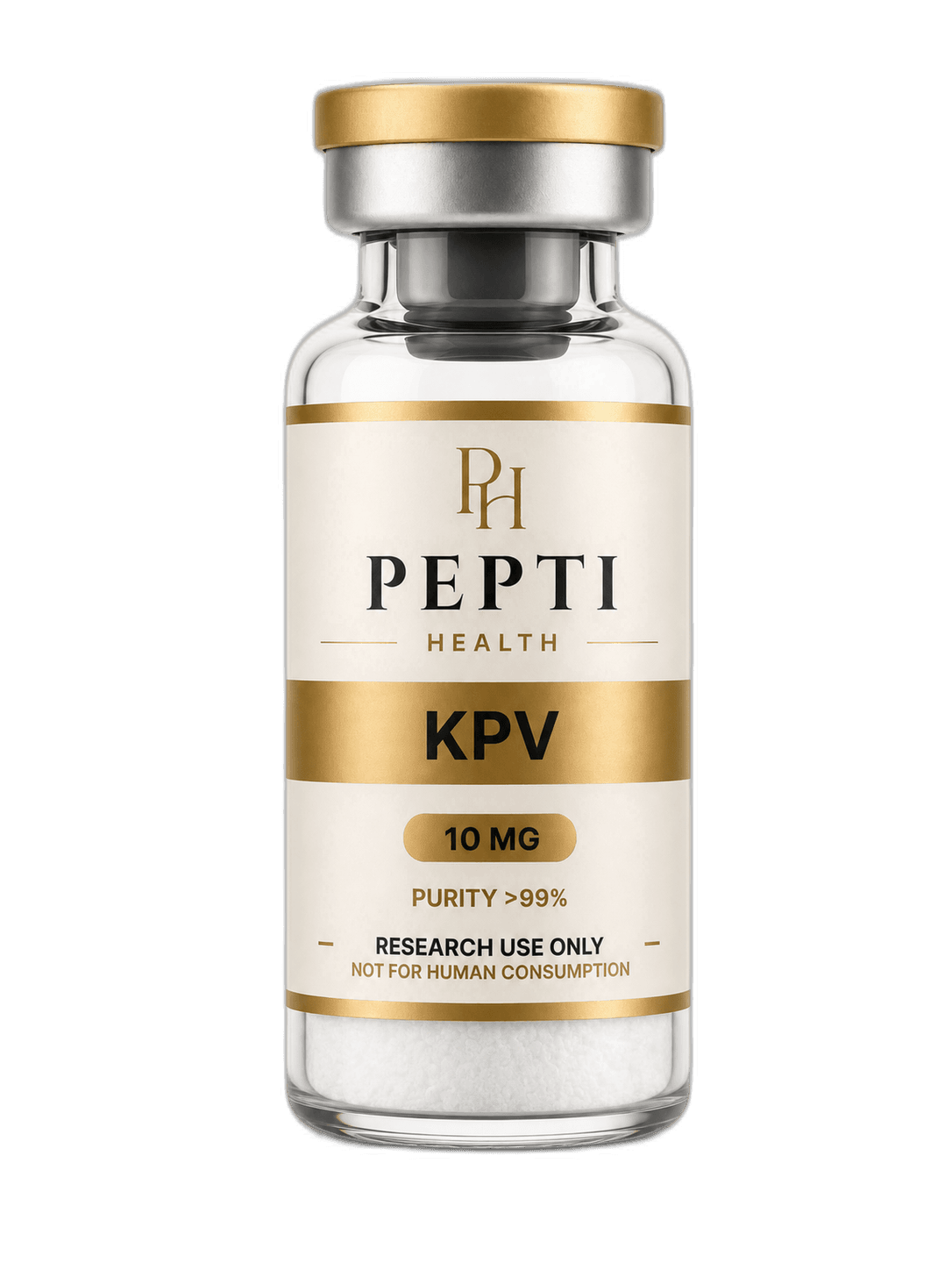 KPVView details
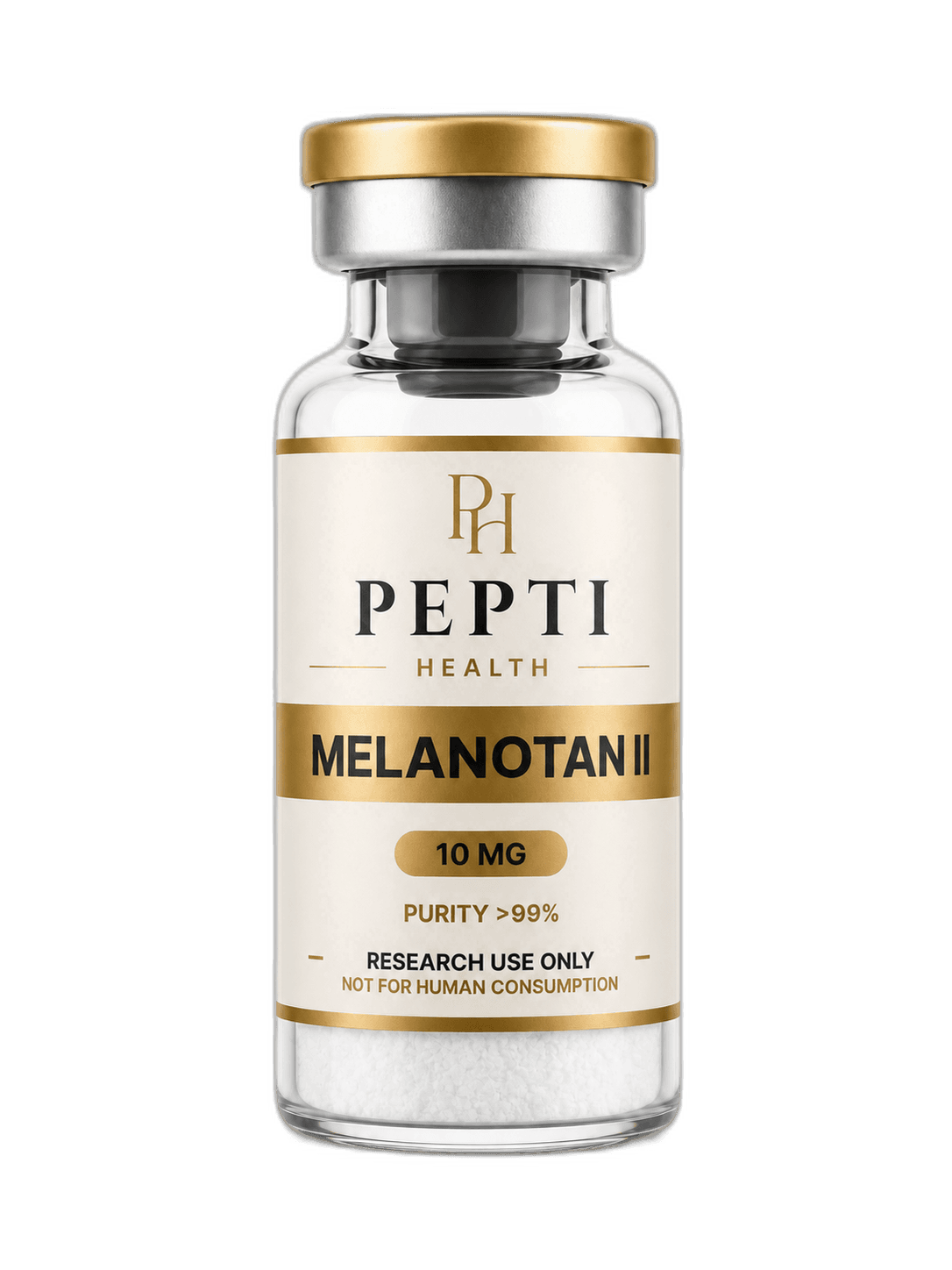 Melanotan IIView details
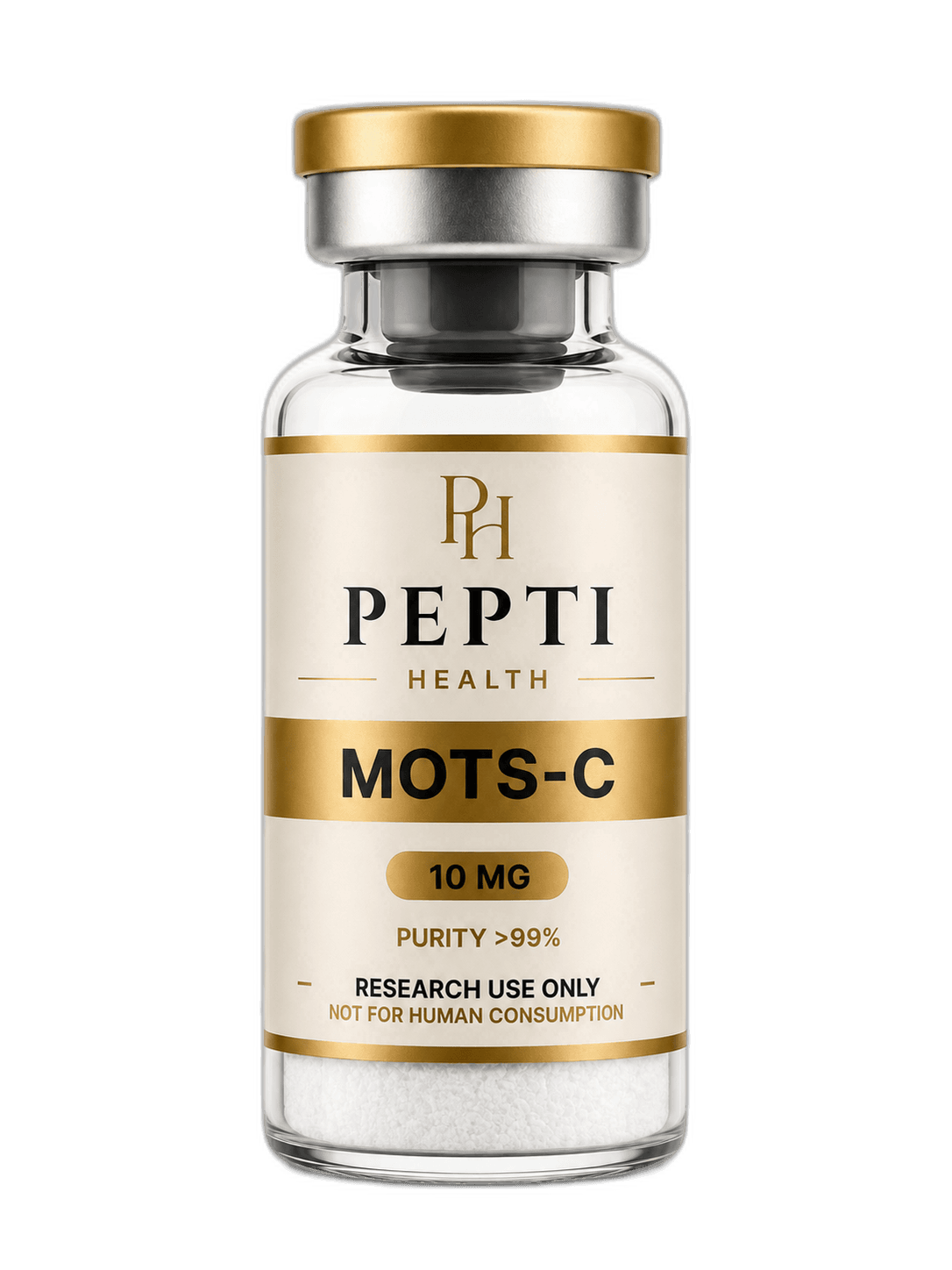 MOTS-CView details
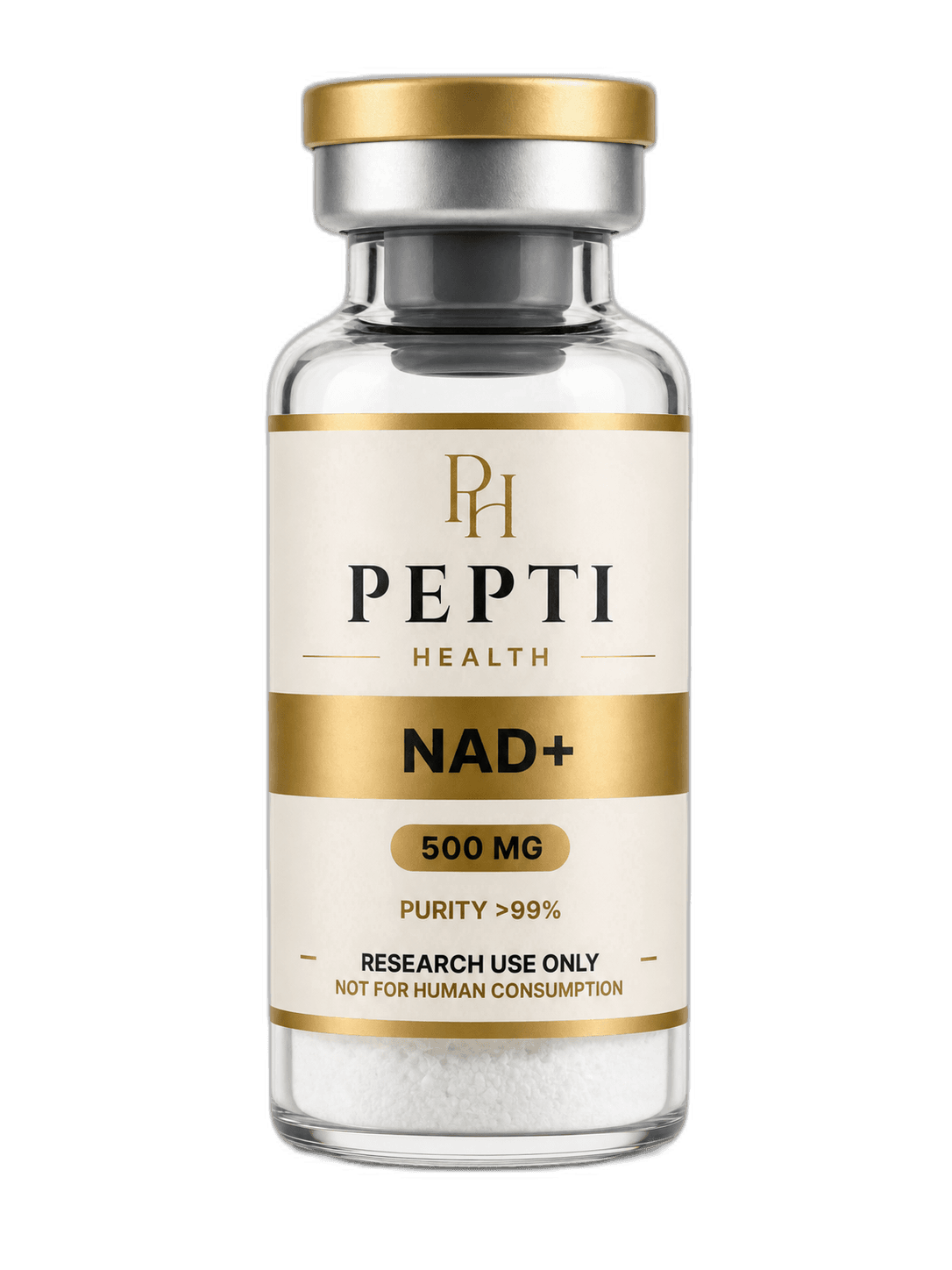 NAD+View details
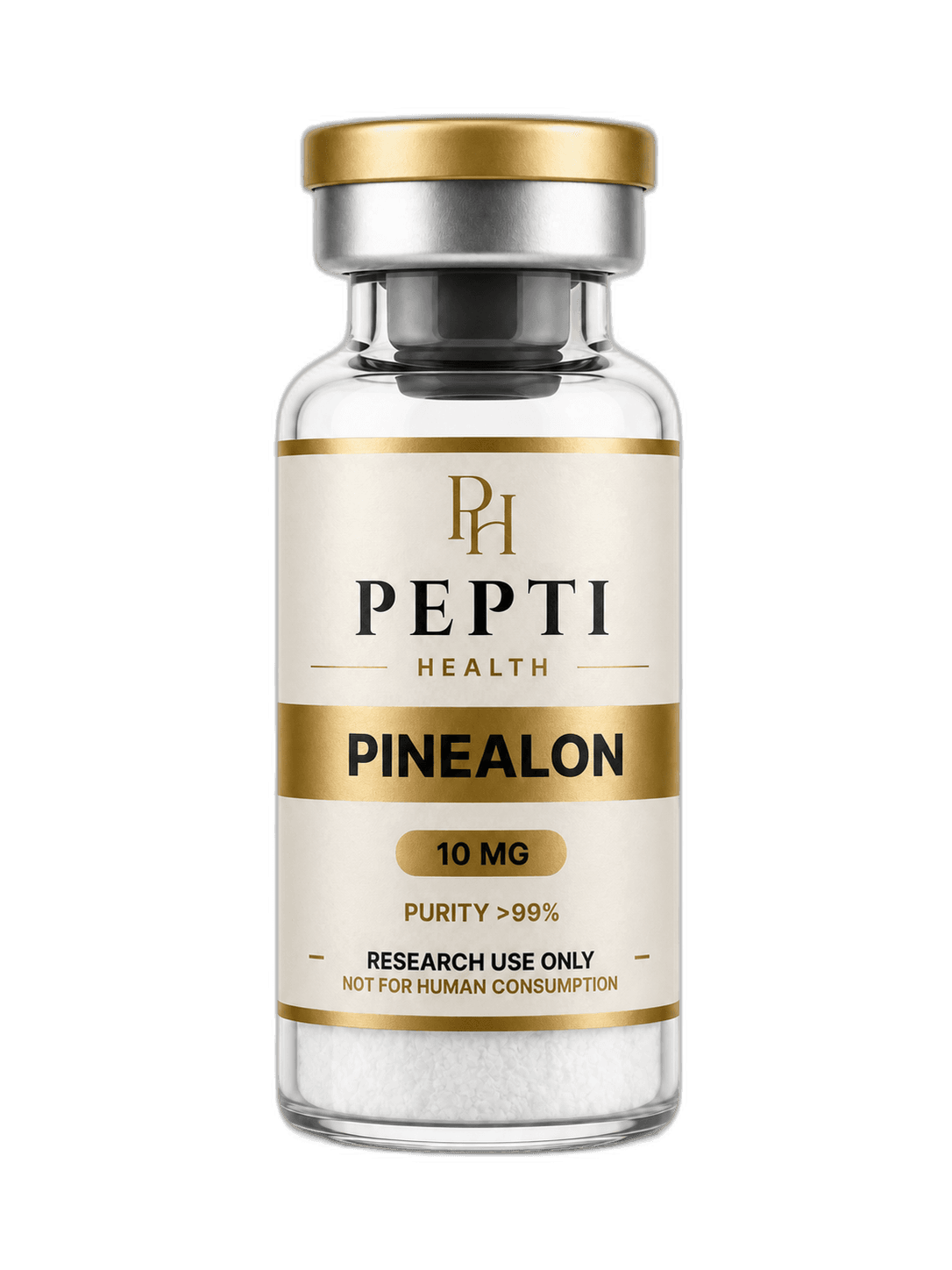 PinealonView details
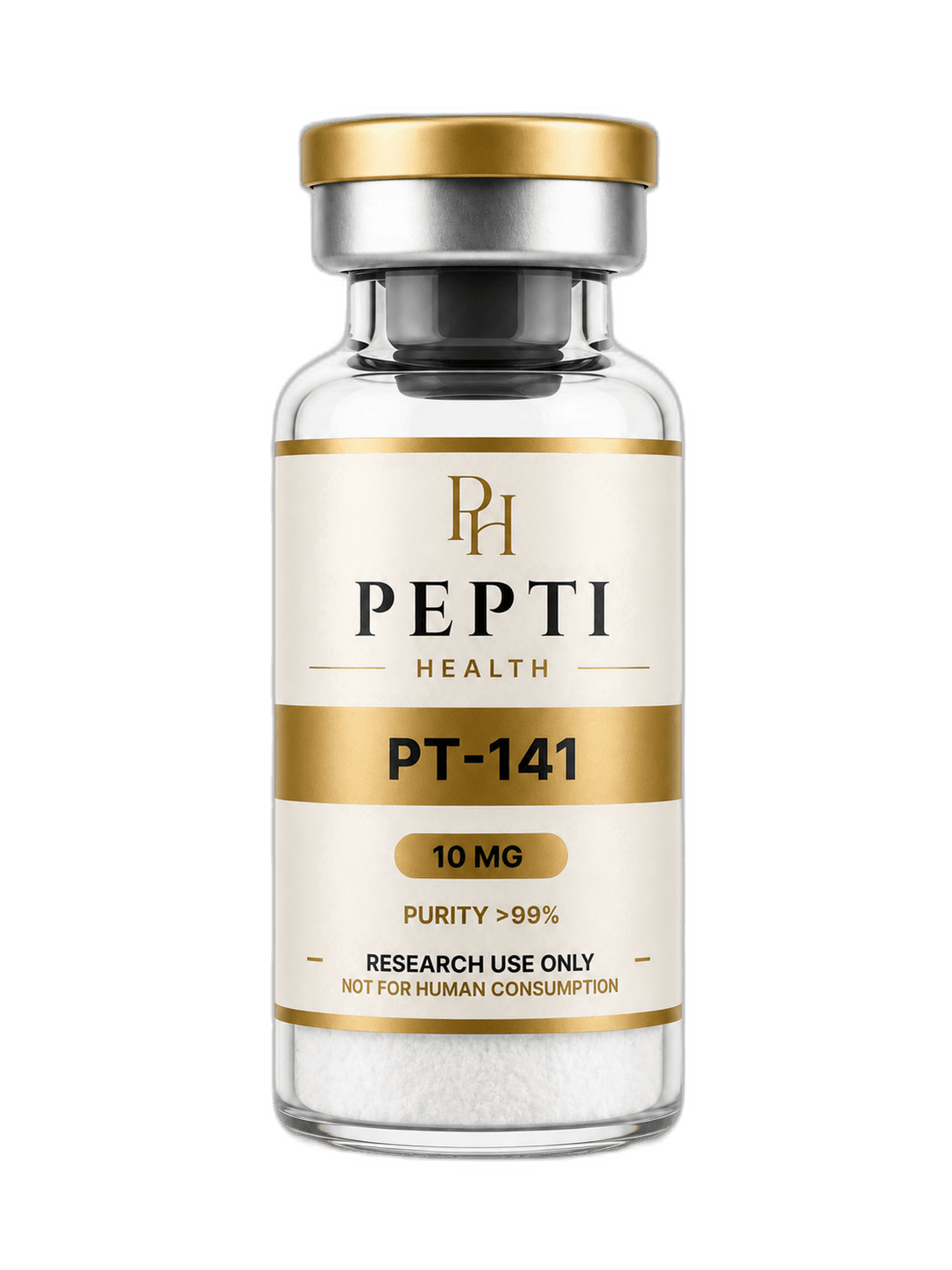 PT-141 (Bremelanotide)View details
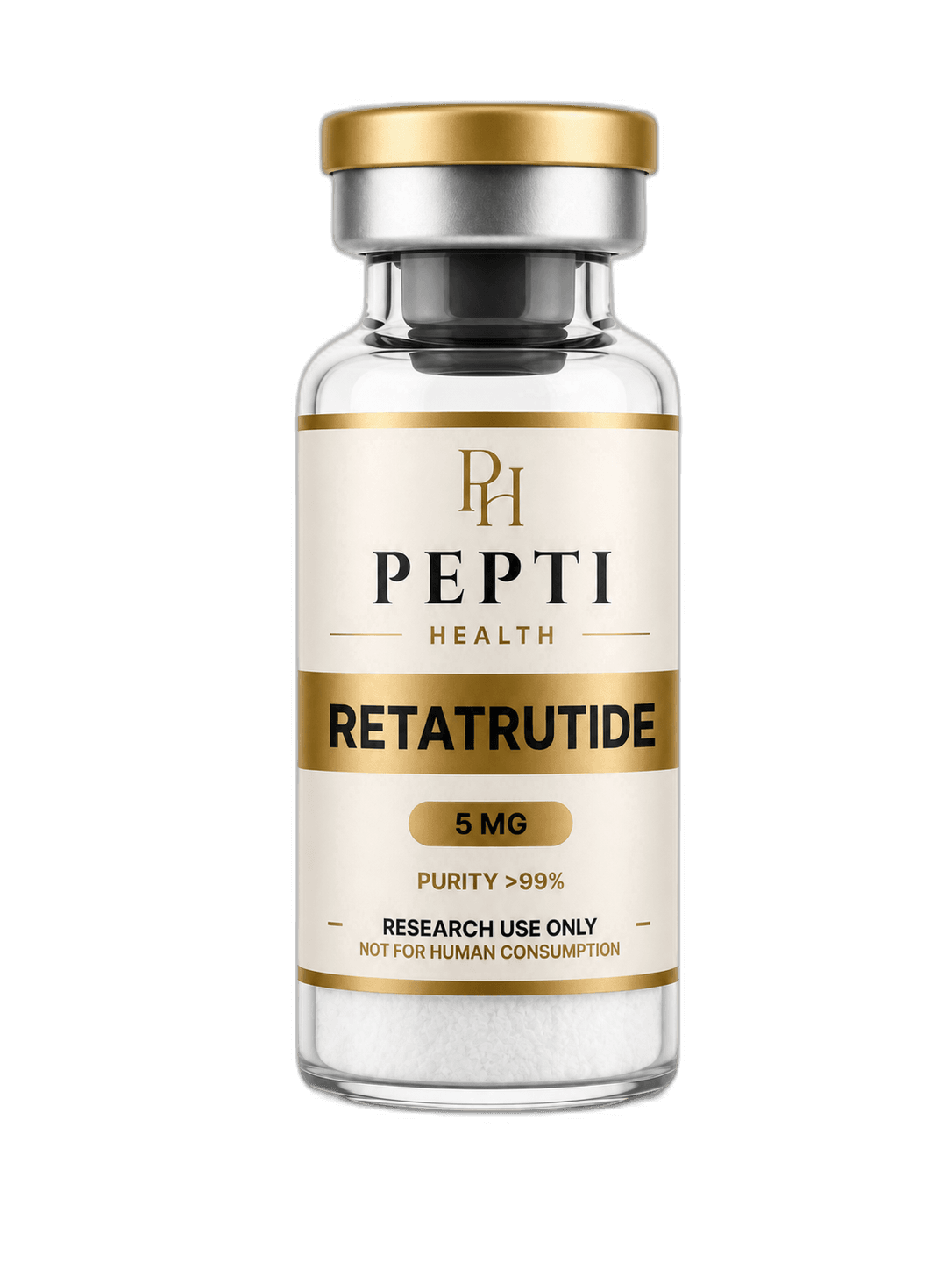 Retatrutide (GLP3-R)View details
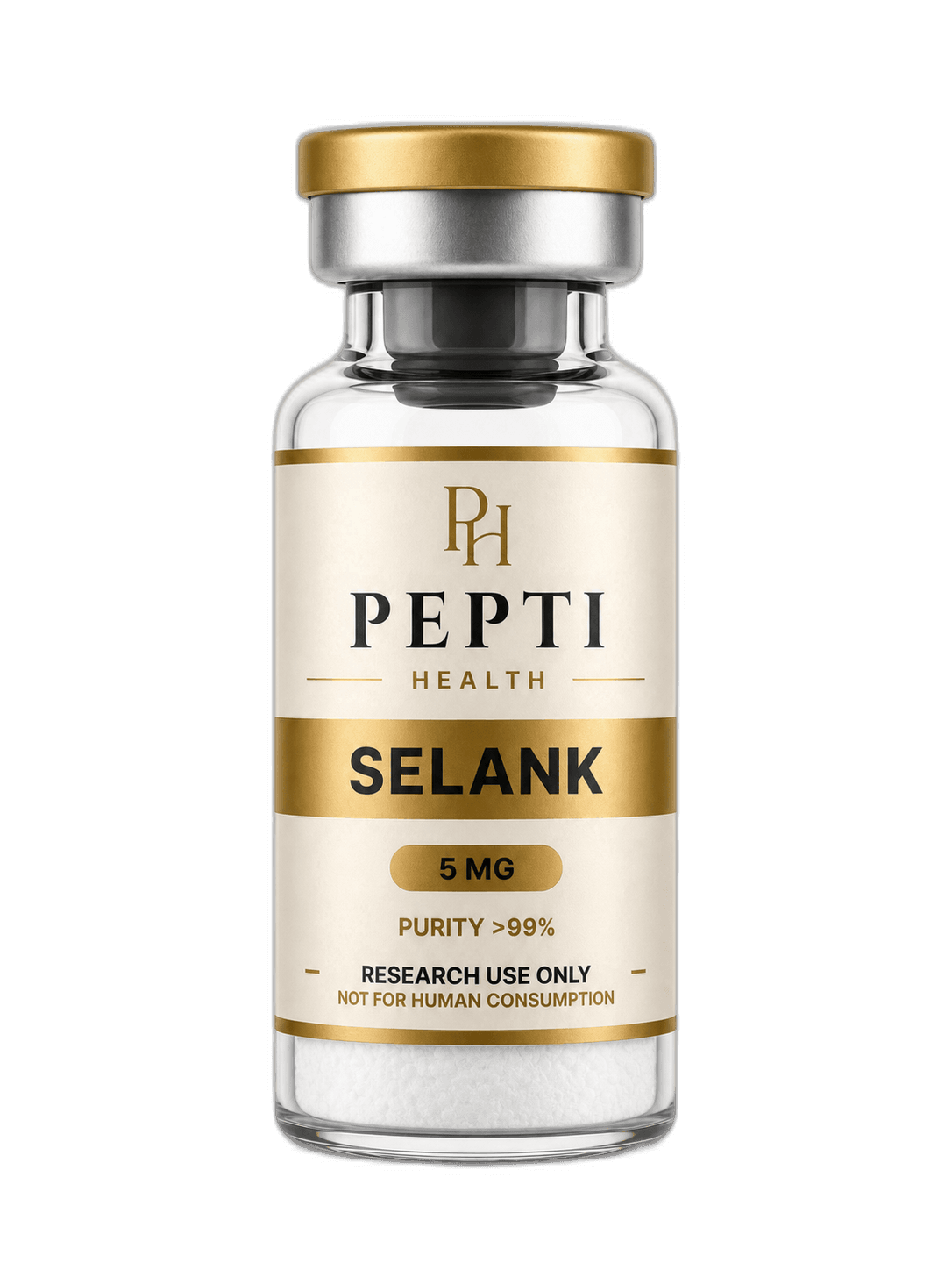 SelankView details
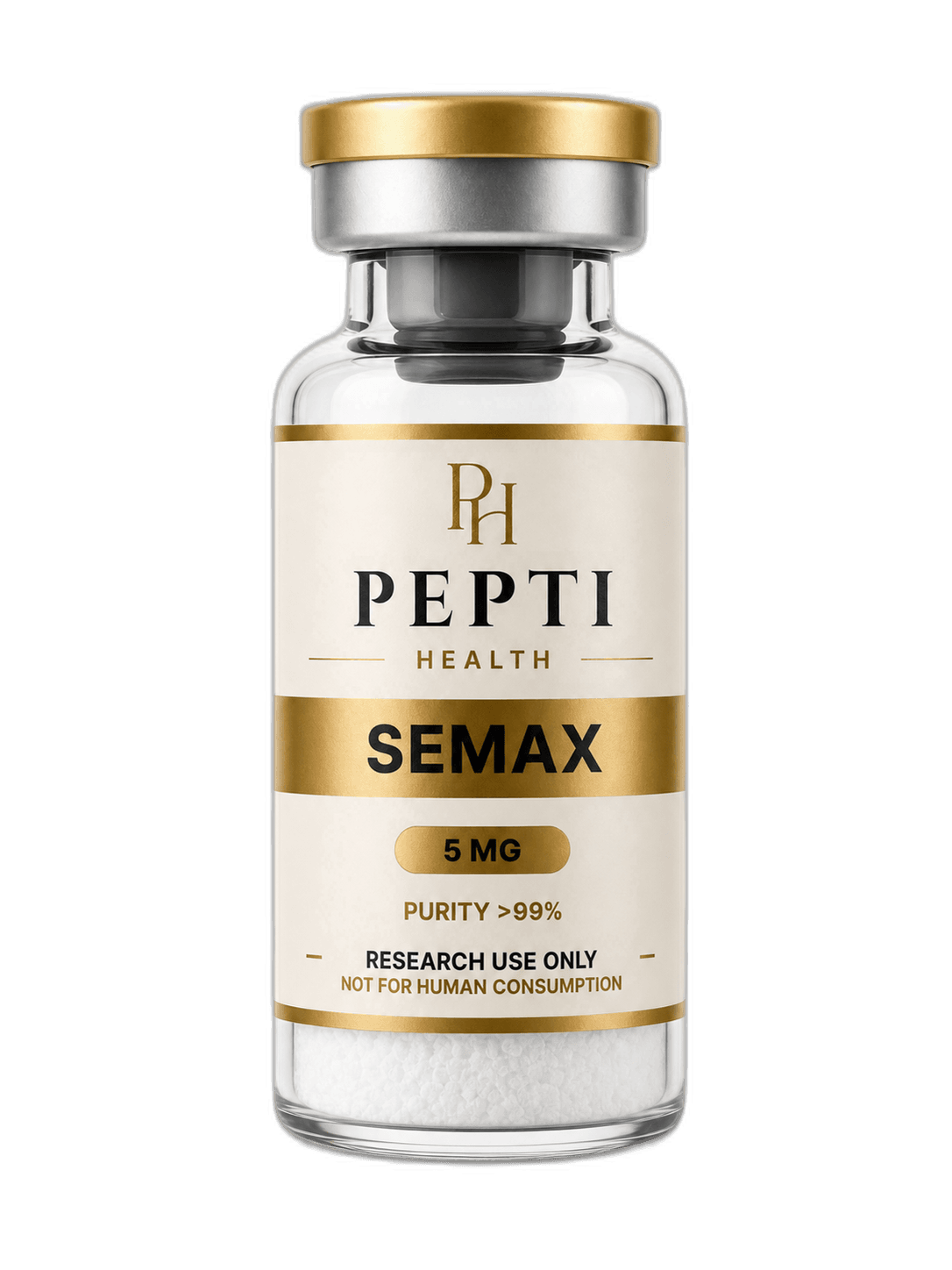 SemaxView details
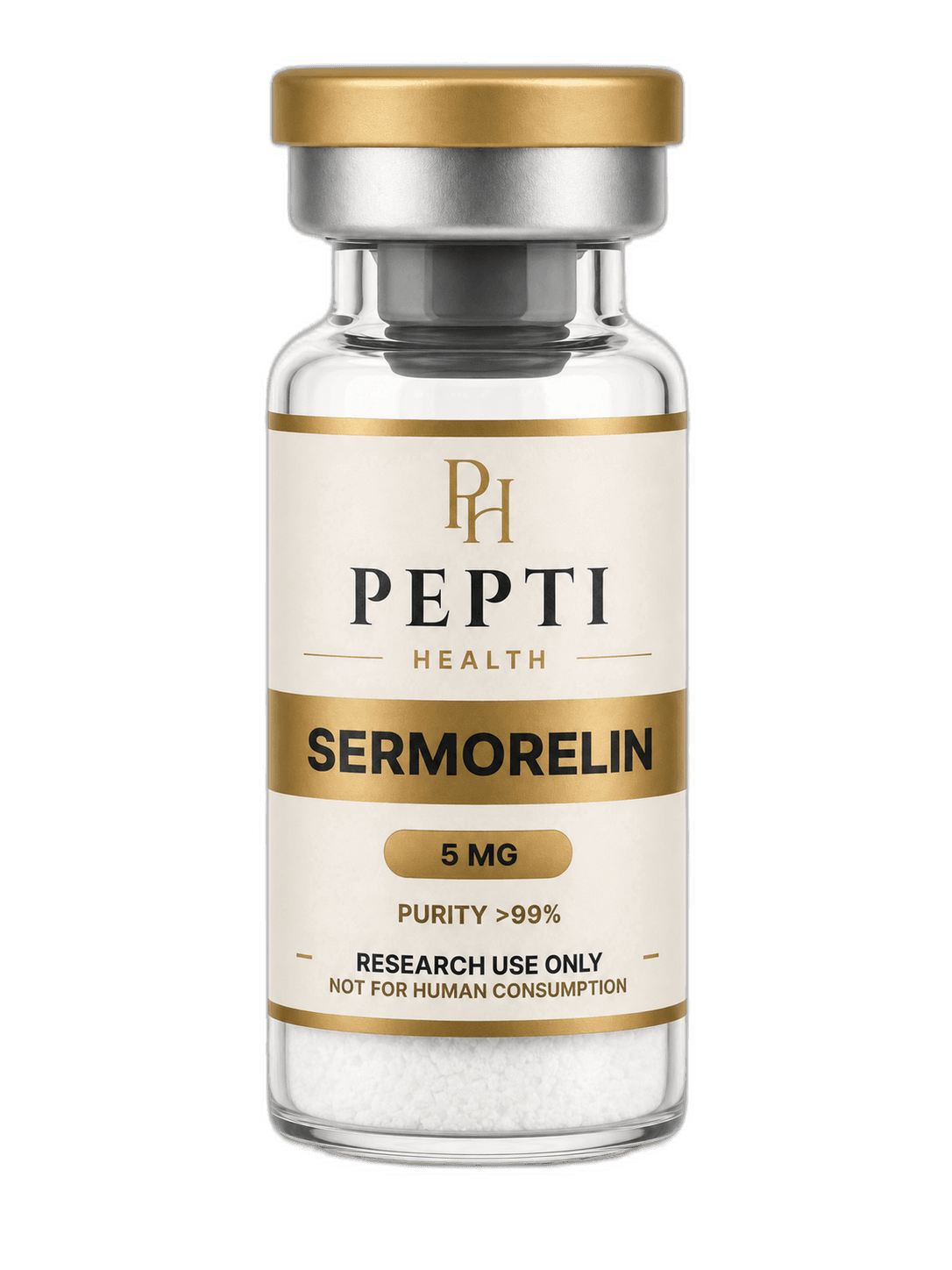 SermorelinView details
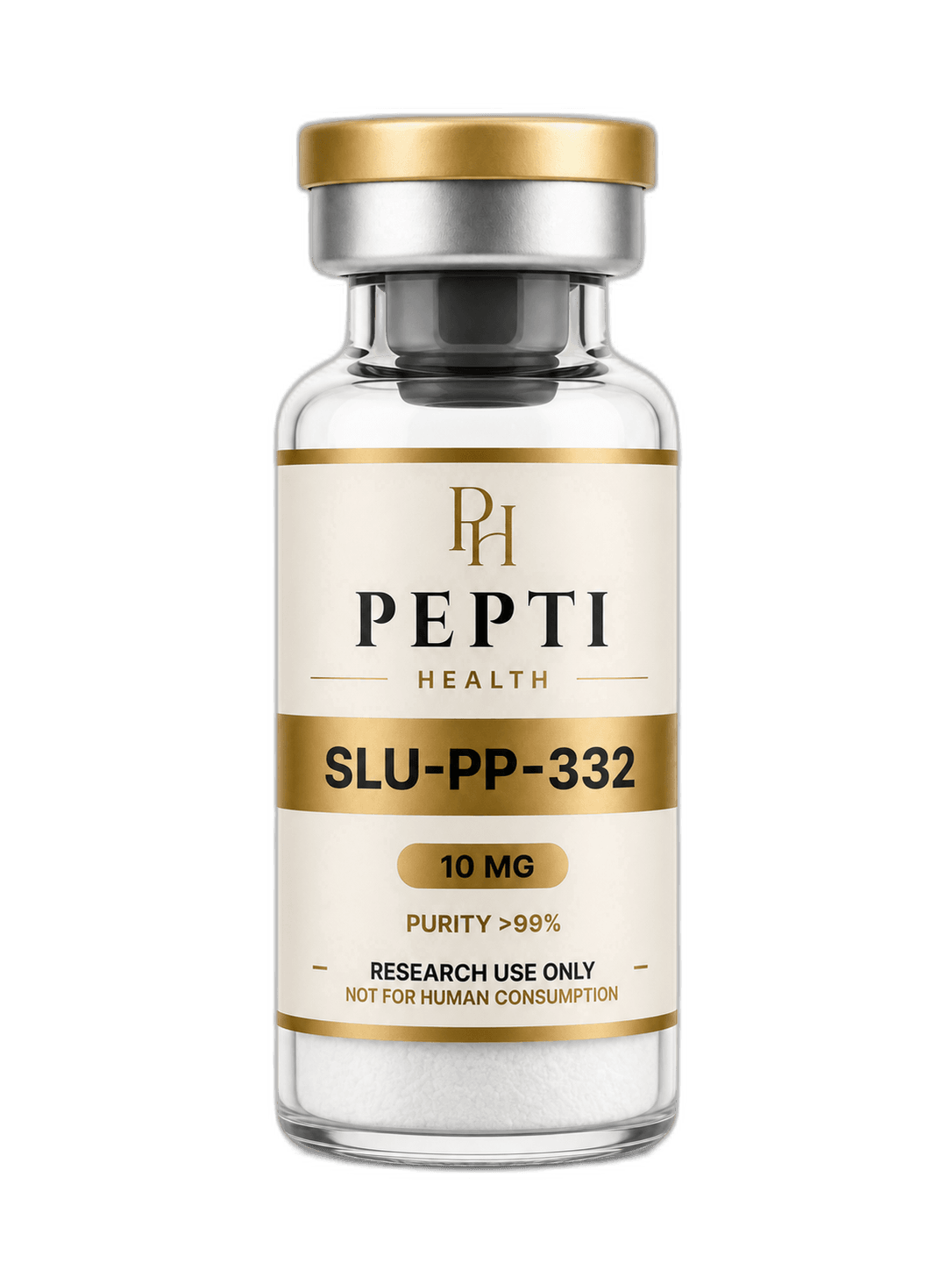 SLU-PP-332View details
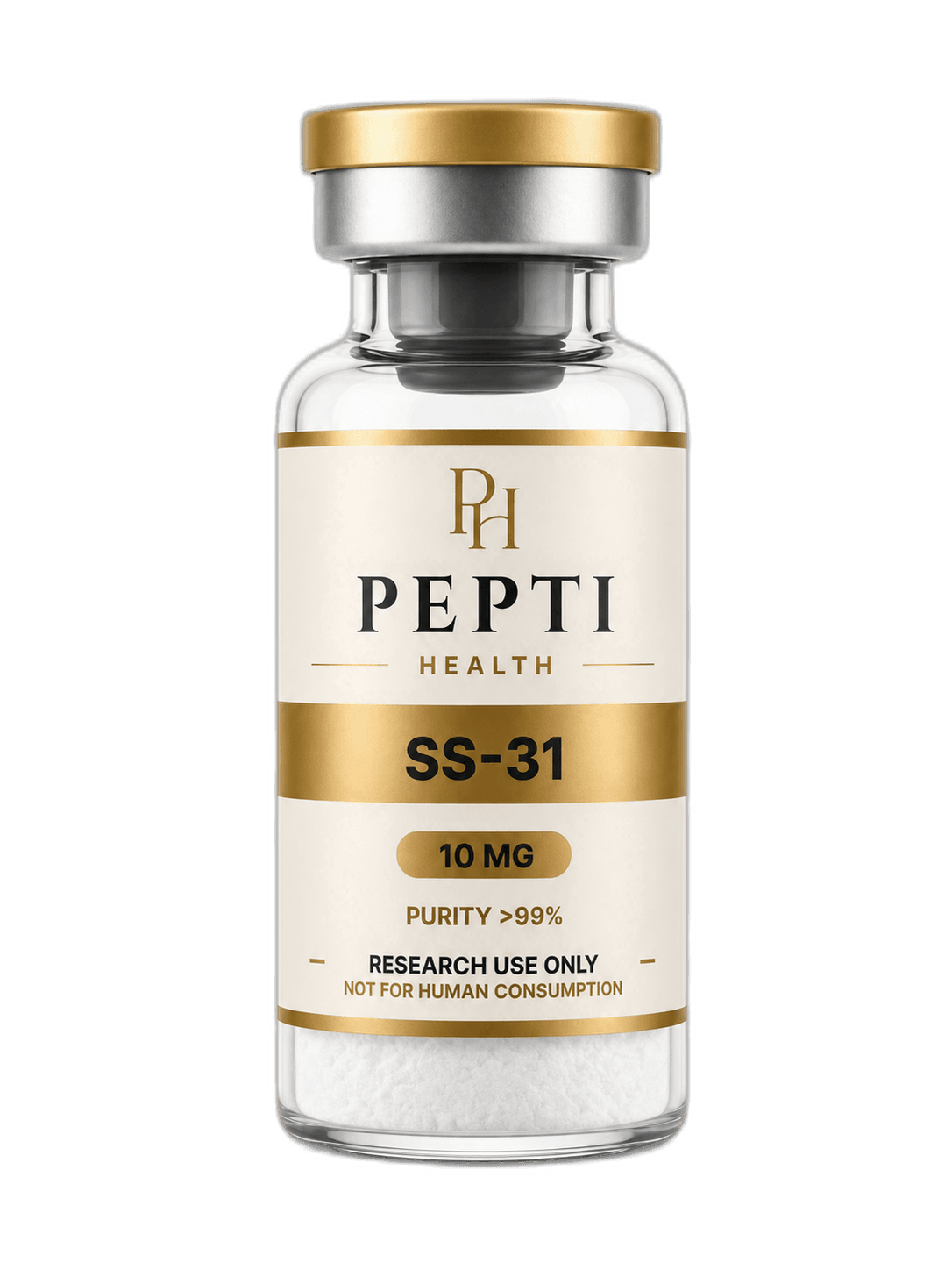 SS-31 (Elamipretide)View details
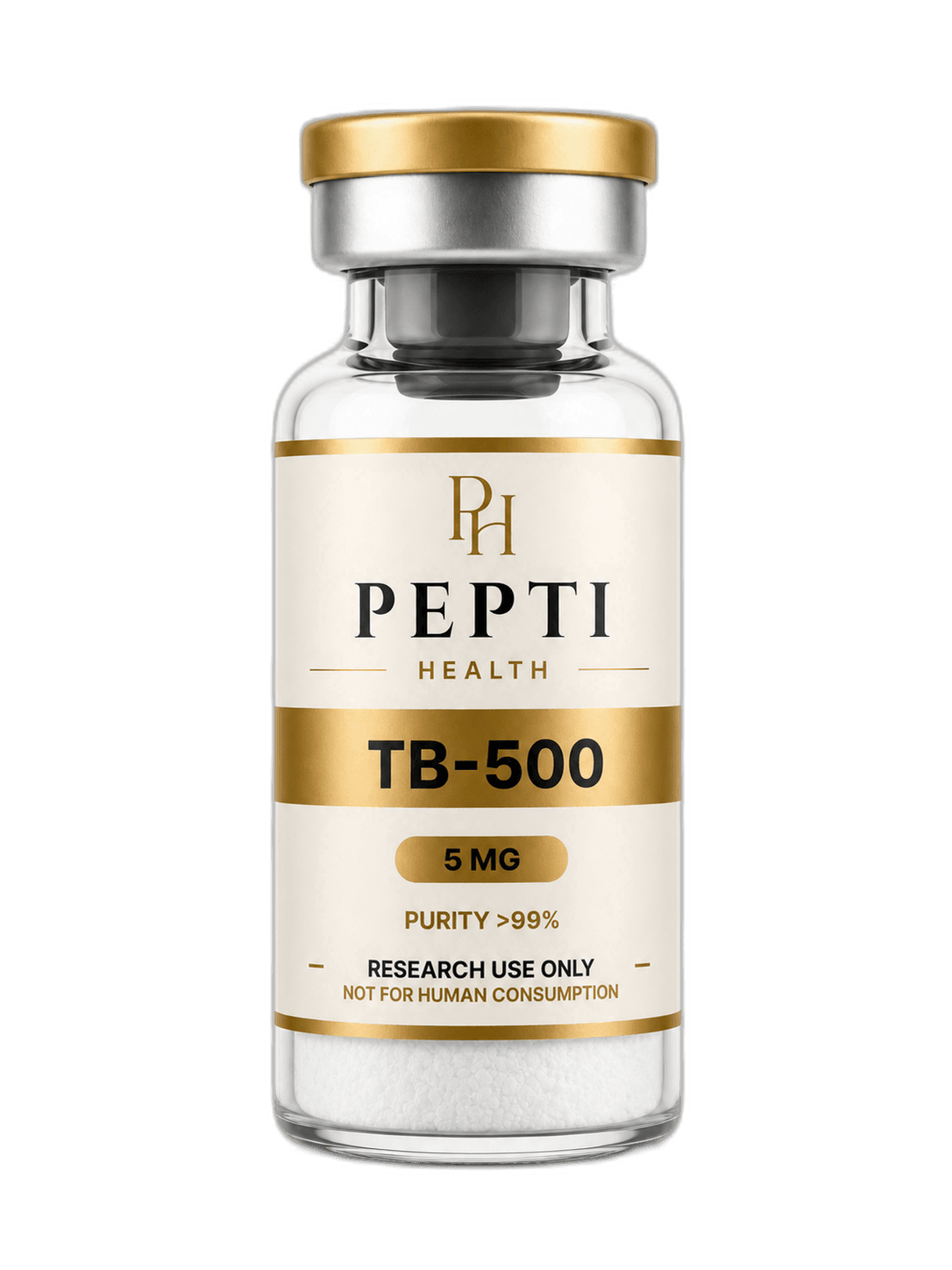 TB-500 (Thymosin Beta-4)View details
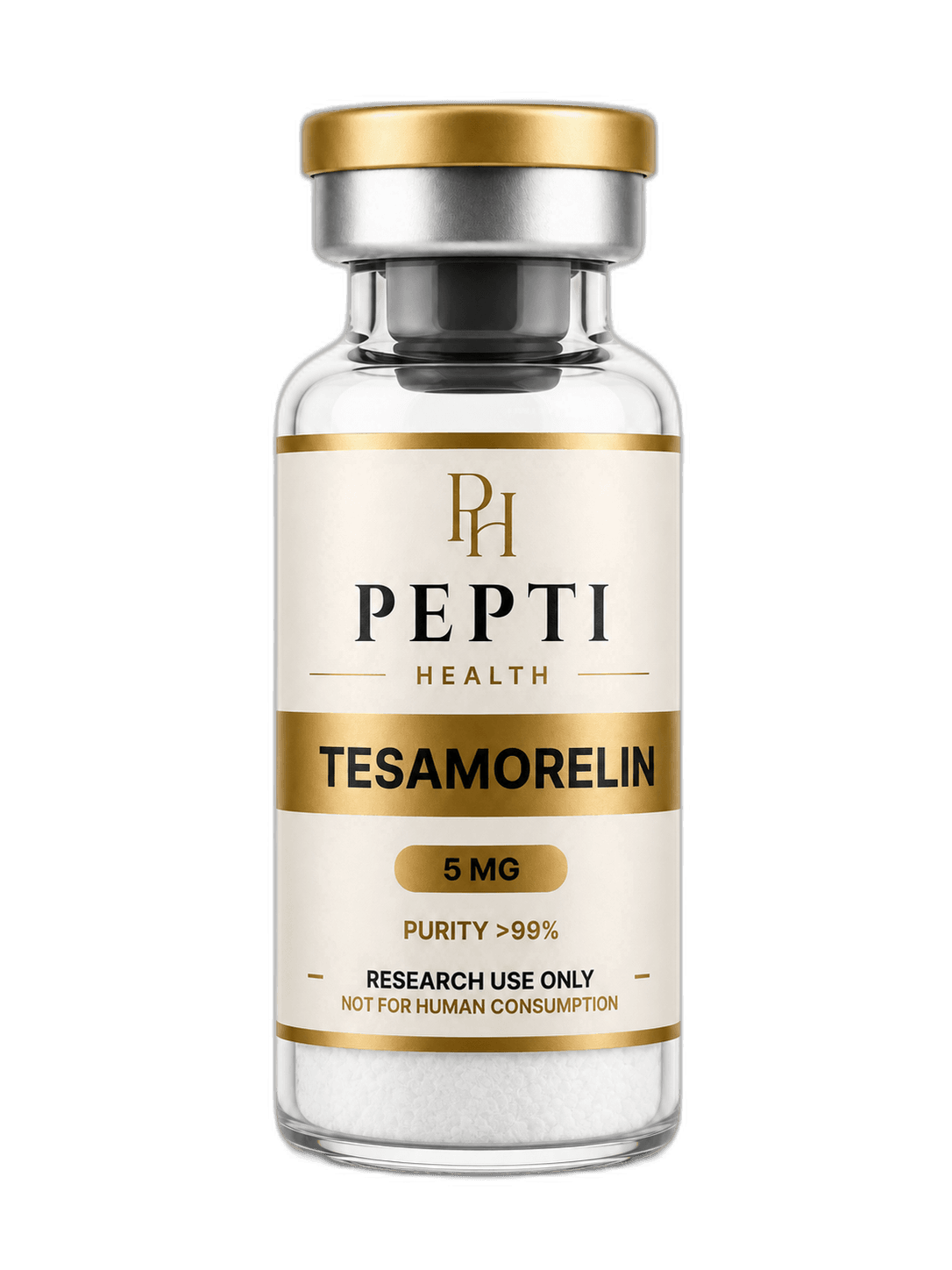 TesamorelinView details
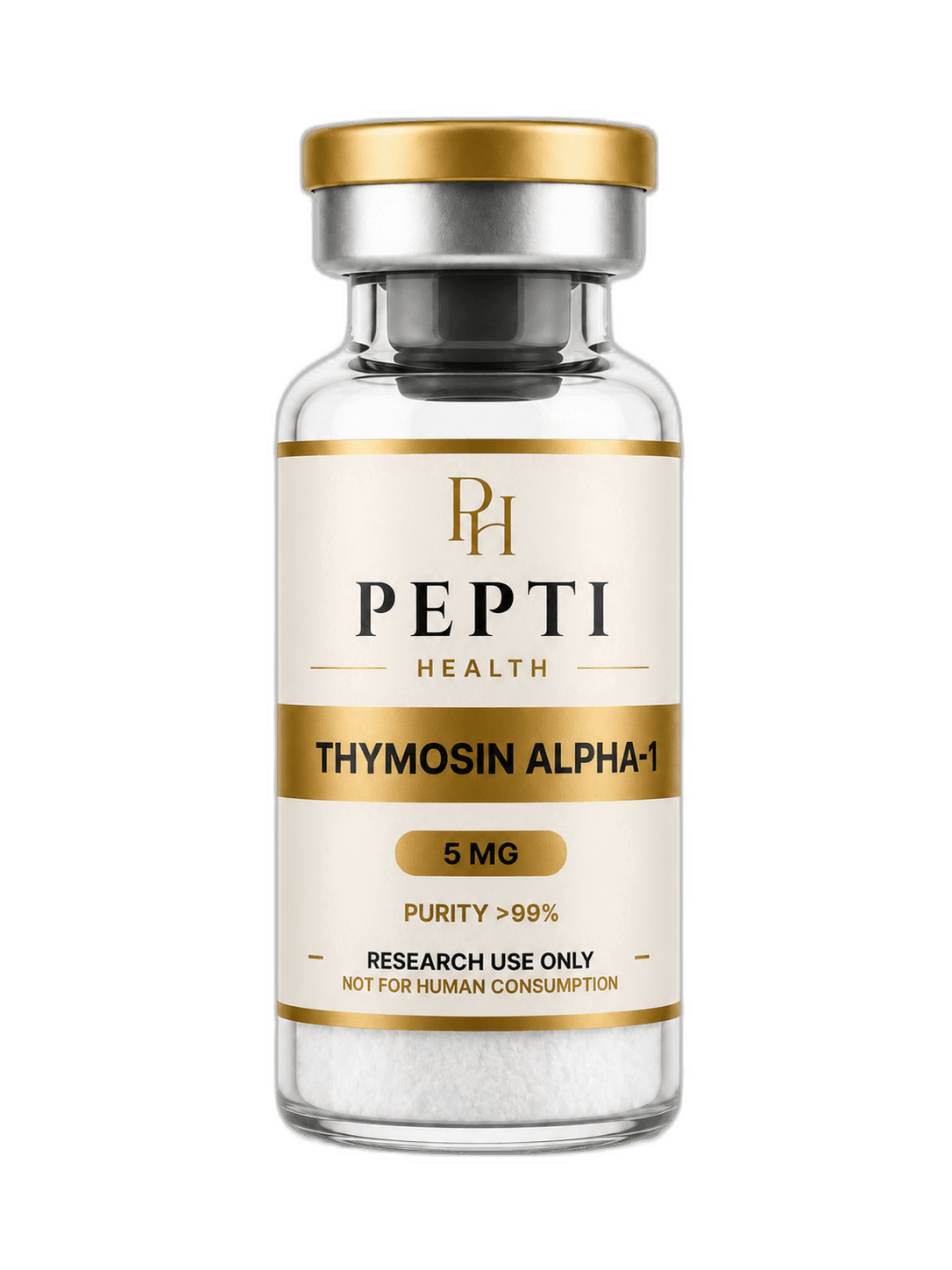 Thymosin Alpha-1View details
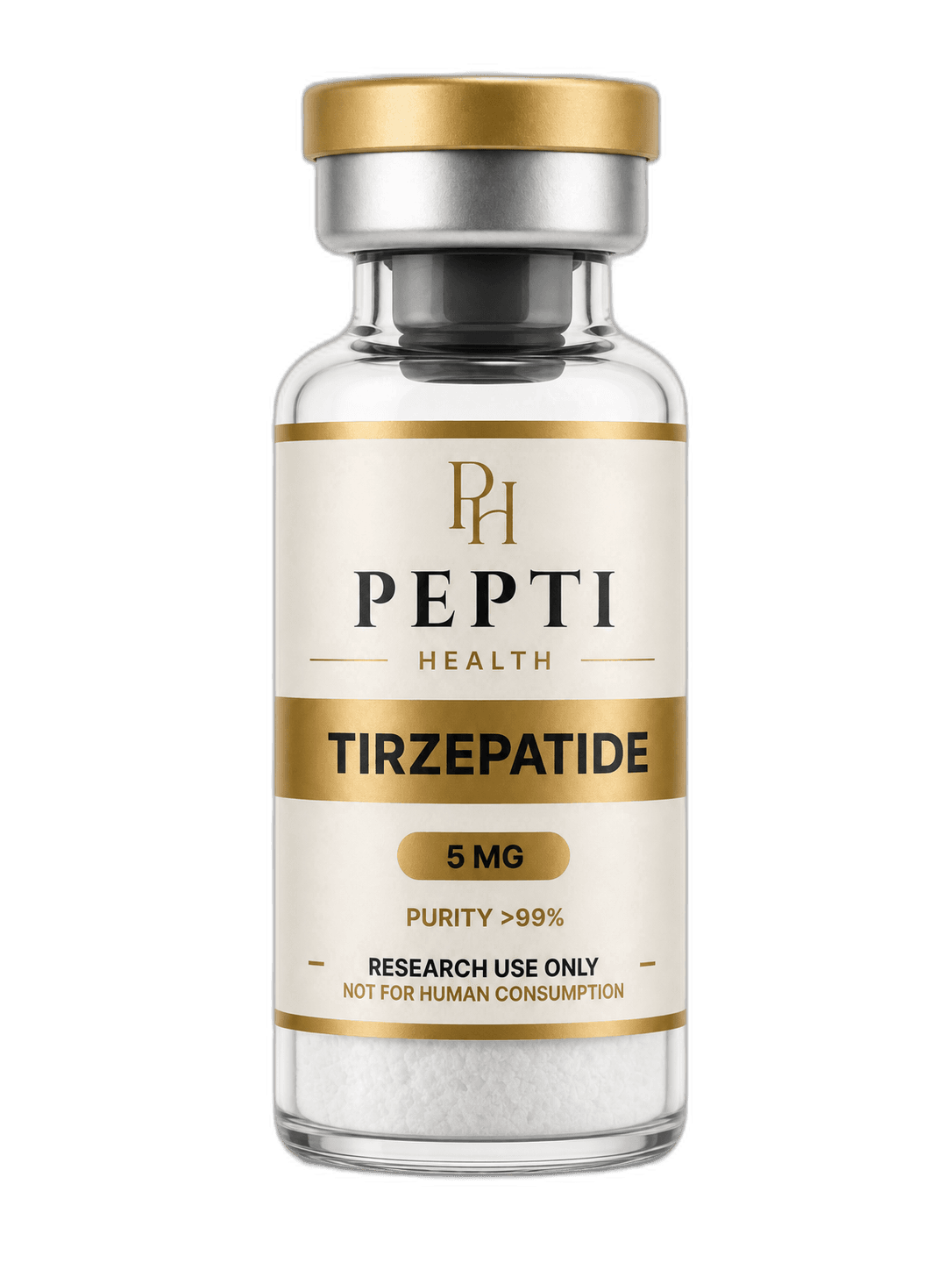 TirzepatideView details