
Coming soon. First inventory is in final QC.Coming soon
Compliance
You must be 21 or older. Agree to the following terms before accessing product information and pricing.
Research Use Policy Summary
For laboratory research use only. Not for human or veterinary consumption, diagnostic use, therapeutic use, or clinical use.
Tissue & Repair Research
Accept the research disclaimer to view pricing and purchase options.
Product Usage Notice · This product is intended strictly for research and laboratory use only. It is designated for in vitro testing and experimental purposes. Any use involving human or animal consumption is prohibited by law. All information provided on this website is for educational purposes only. This product must only be handled by licensed, qualified professionals. It is not intended for use as a drug, food, or cosmetic, and must not be misused, mislabeled, or misrepresented as such. Read full Research Use Policy →
Technical specifications
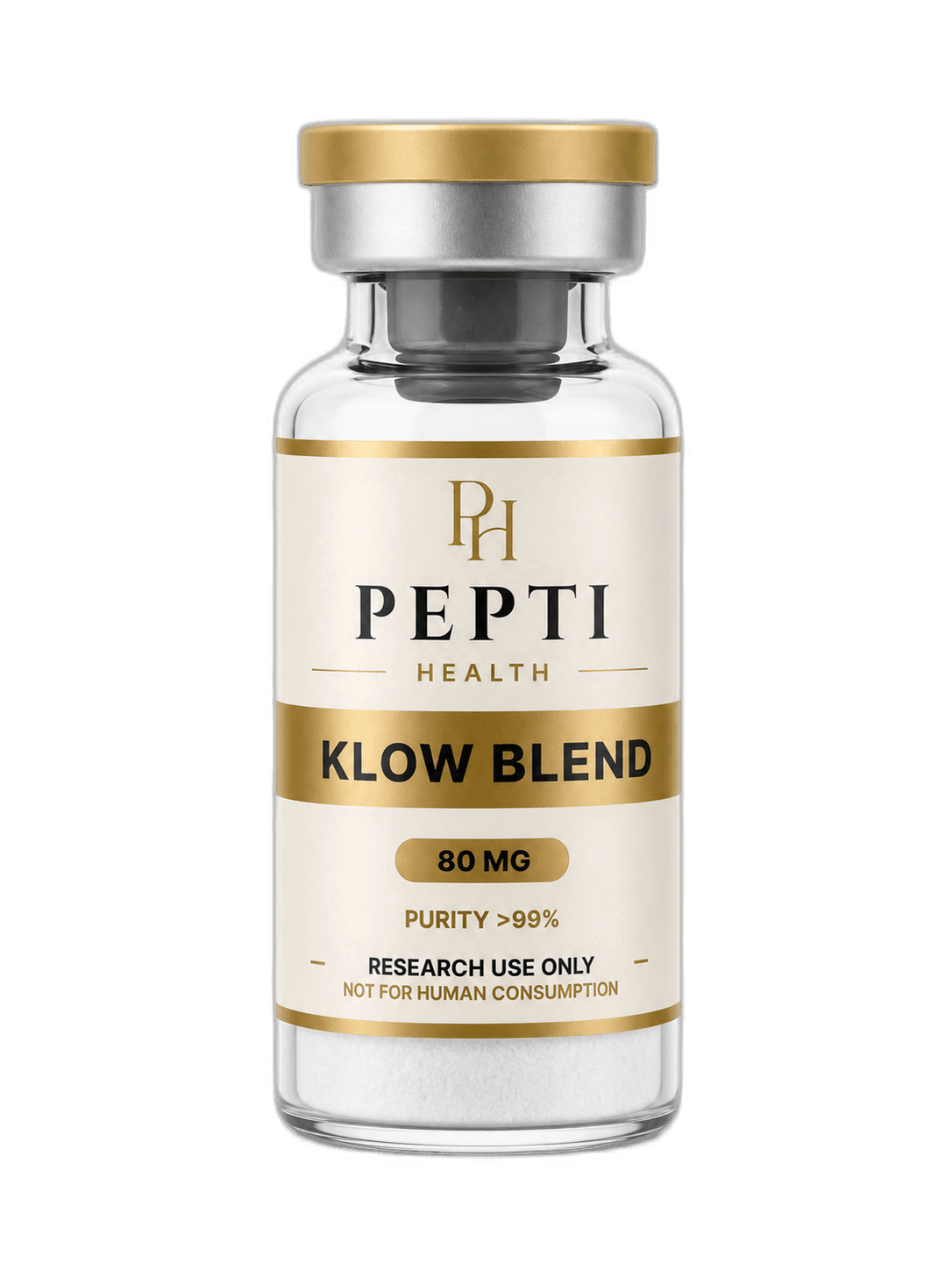
Proprietary research blend combining BPC-157, TB-500, GHK-Cu, and KPV for connective-tissue matrix signaling, extracellular-matrix, and inflammatory pathway investigation in preclinical models.
Emerging Use of BPC-157 in Orthopaedic Sports Medicine: A Systematic Review HSS Journal Analysis of 36 studies (1993–2024) found BPC-157 enhanced growth hormone receptor expression, angiogenic pathways, and modulated inflammatory cytokines with changed biomechanical outcomes in musculoskeletal injuries.
View StudyGastric Pentadecapeptide Body Protection Compound BPC 157 and Its Role in Accelerating Musculoskeletal Soft Tissue Healing Cell and Tissue Research Comprehensive review of BPC-157 preclinical research across tendon, ligament, and skeletal muscle models, summarizing FAK-paxillin pathway activation, angiogenesis signaling, and extracellular matrix remodeling mechanisms. Findings are from animal and in vitro studies; cited for mechanistic research context only.
View StudyThe Promoting Effect of Pentadecapeptide BPC 157 on Tendon Healing Involves Tendon Outgrowth, Cell Survival, and Cell Migration Journal of Applied Physiology BPC 157 significantly accelerated tendon explant outgrowth, increased fibroblast survival under oxidative stress, and promoted in vitro migration of tendon fibroblasts via FAK-paxillin pathway signaling in a concentration-dependent manner.
View StudyGastric Pentadecapeptide BPC 157 Accelerates Healing of Transected Rat Achilles Tendon and In Vitro Stimulates Tendocytes Growth Journal of Orthopaedic Research BPC 157 accelerated tendon healing biomechanically (increased load-to-failure and Young's modulus of elasticity), functionally, and microscopically — showing enhanced fibroblast formation, reticulin deposition, and collagen organization in preclinical tendon transection models.
View StudyBPC 157 Rescued NSAID-Cytotoxicity Via Stabilizing Intestinal Permeability and Enhancing Cytoprotection Current Pharmaceutical Design Review examining BPC-157 effects on NSAID-induced gastroenteropathy in preclinical models, including intestinal epithelial permeability stabilization, cytoprotective signaling pathways, and mucosal barrier integrity mechanisms against leaky gut syndrome. Research context only; findings are from preclinical and in vitro models.
View StudyThymosin β4 Activates Integrin-Linked Kinase and Promotes Cardiac Cell Migration, Survival and Cardiac Repair Nature Thymosin β4 activated epicardial progenitor cells, promoted vessel formation, and modulated cardiac cell migration and survival through integrin-linked kinase (ILK) and Akt/PKB pathway signaling in preclinical cardiac injury models. Cited for ILK pathway mechanistic context only; findings are from animal models.
View StudyThis compound is supplied strictly for in-vitro and preclinical research use only. Primary applications include the areas below.
Studied in cell-based models for combined collagen synthesis pathway activation, elastin production signaling, and extracellular matrix remodeling mechanisms.
Investigated for dermal papilla signaling and follicle-associated stem cell biology in preclinical matrix research models.
Lot records organize identity, purity, storage context, and supporting COA documentation for laboratory intake review.
Lot documentation reports 99%+ purity and identity verification by the listed analytical method.
Explore
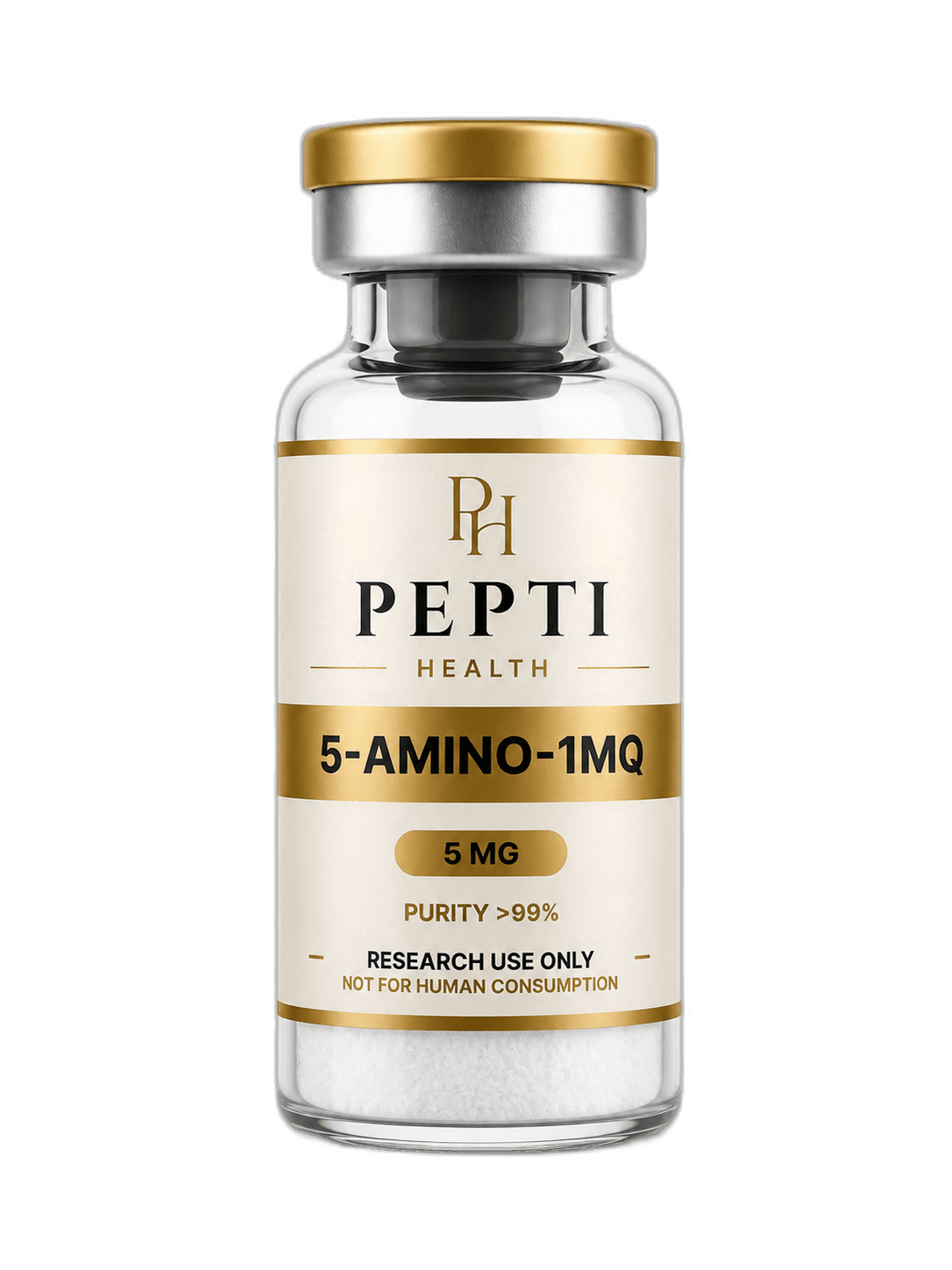 5-Amino-1MQView details
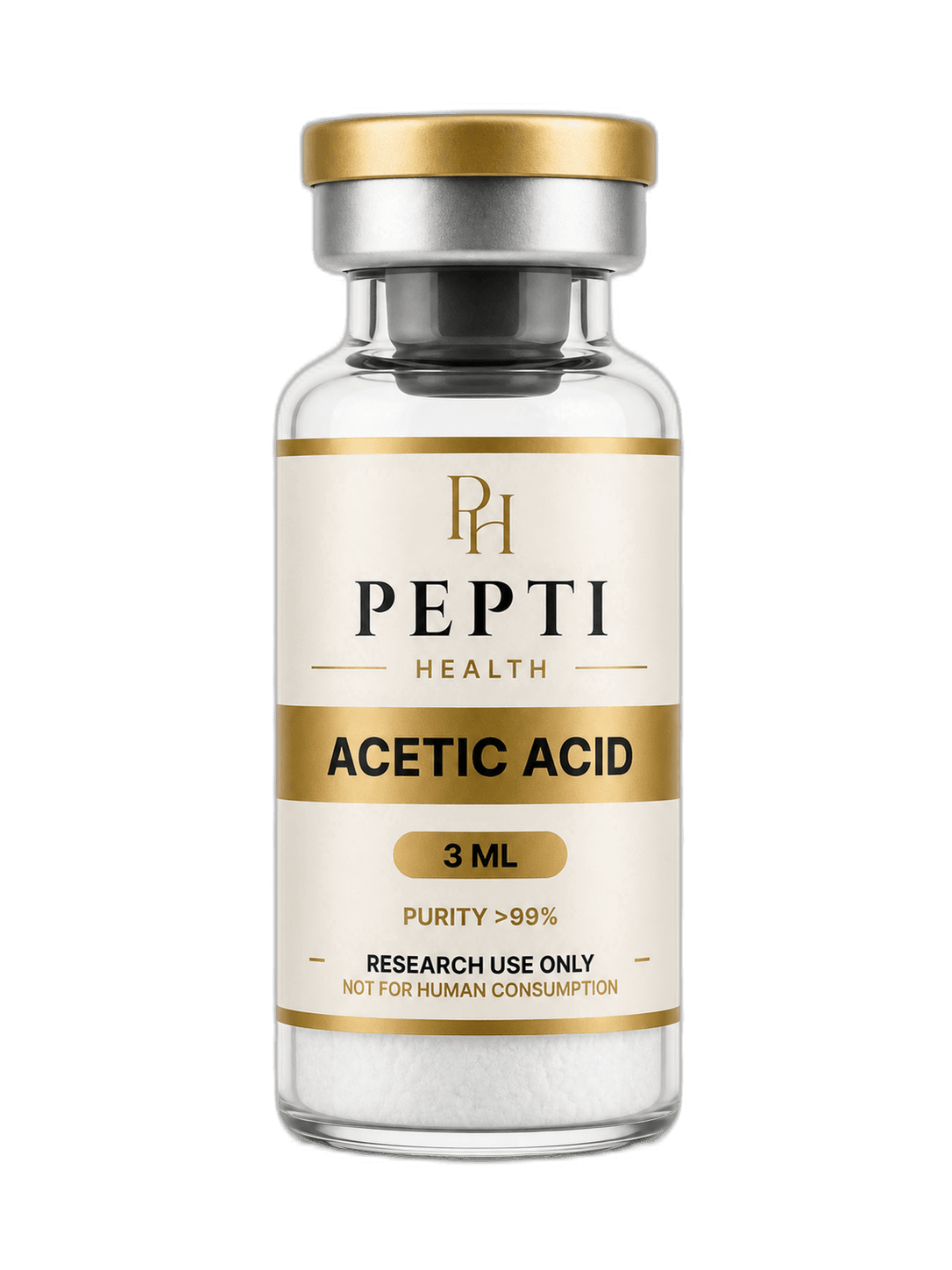 Acetic AcidView details
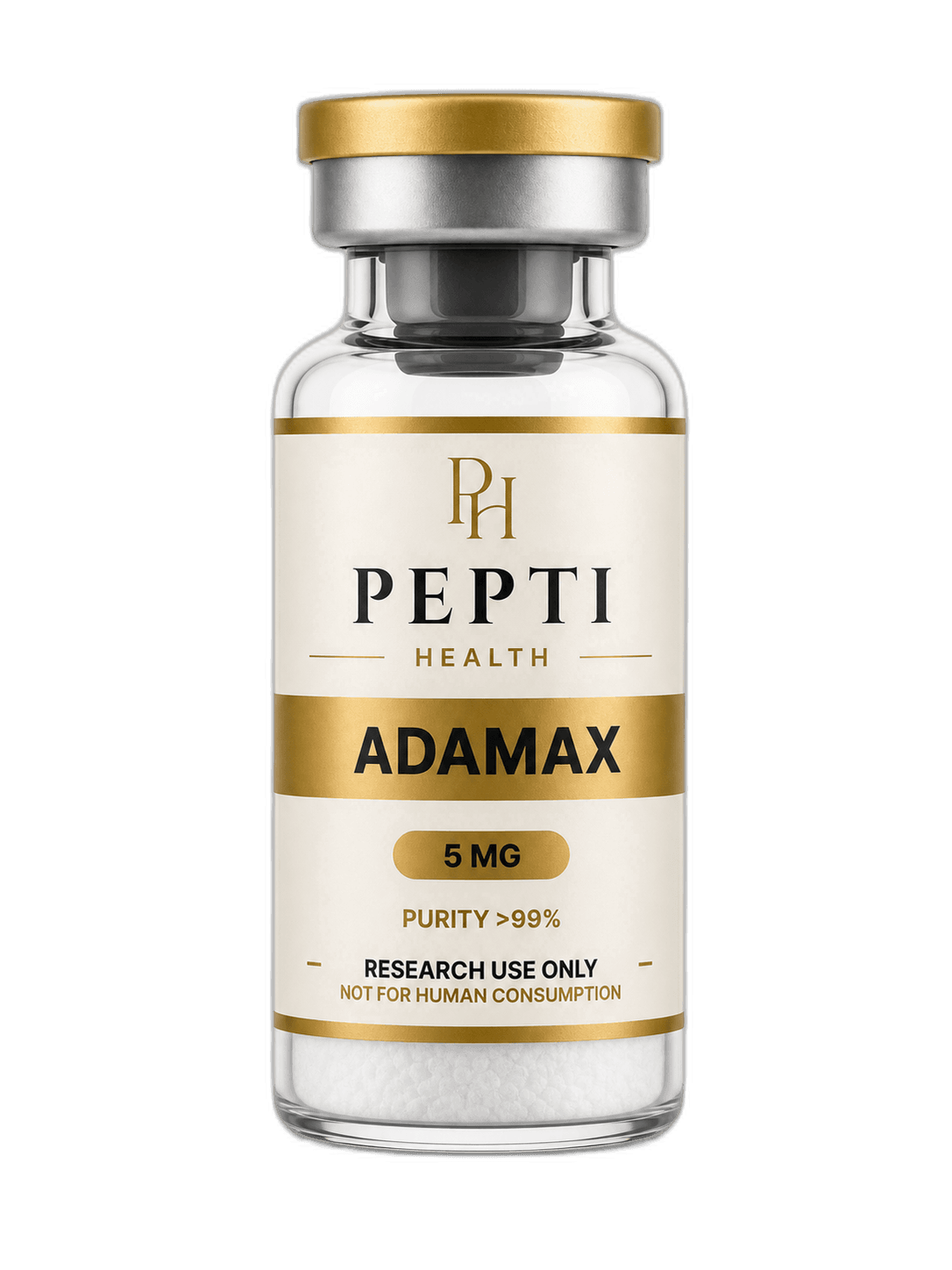 ADAMAXView details
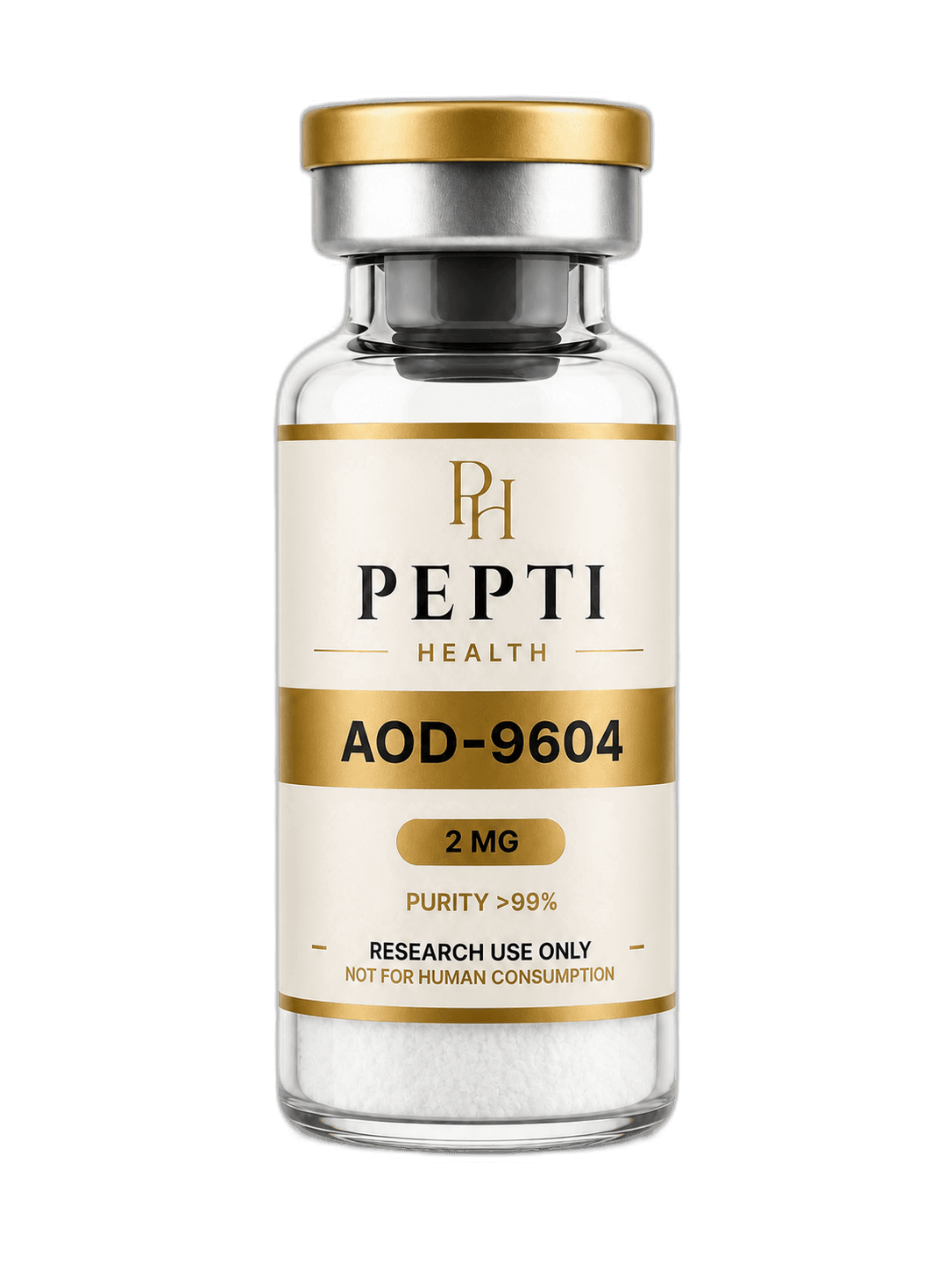 AOD-9604View details
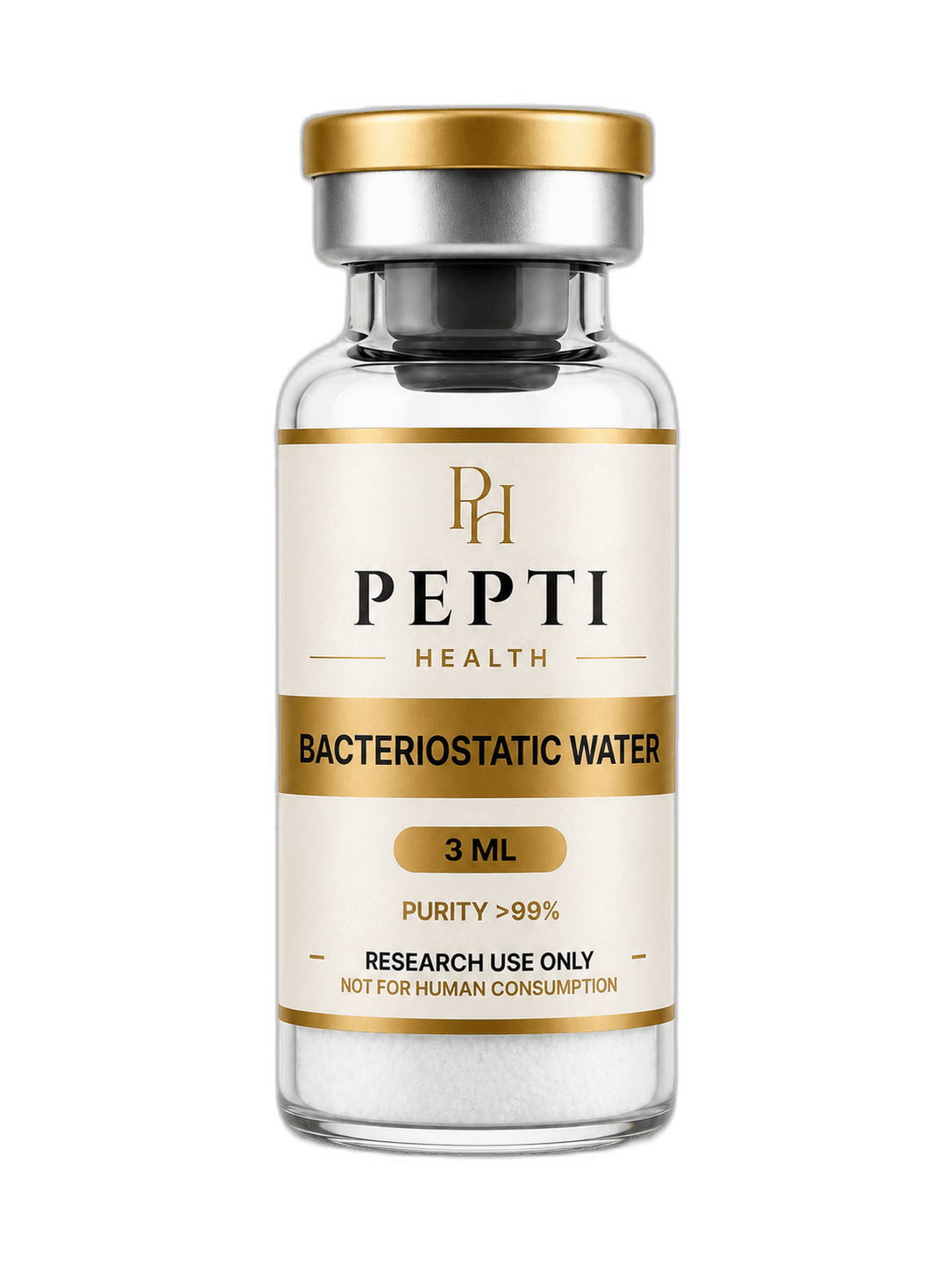 Bacteriostatic WaterView details
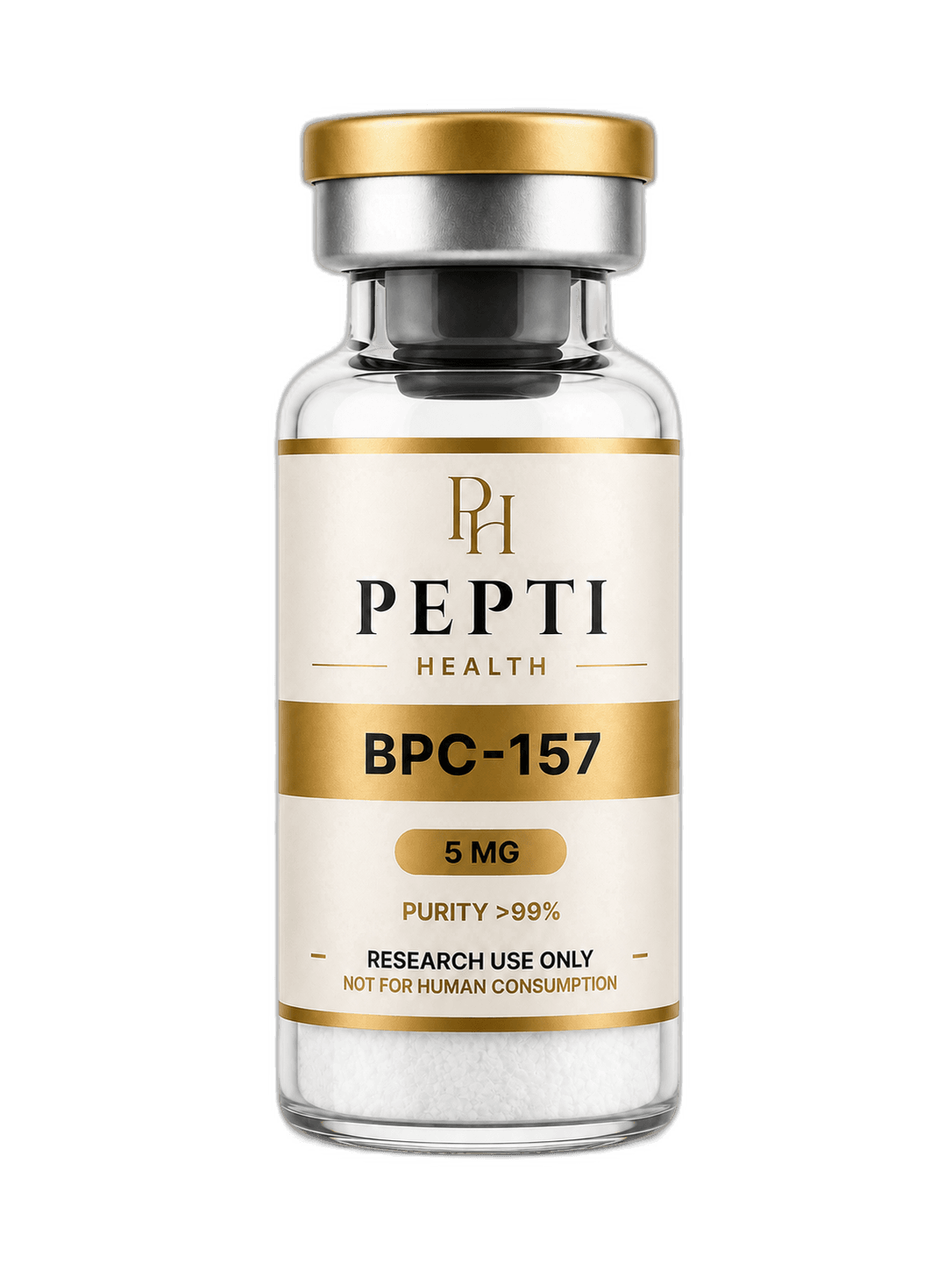 BPC-157View details
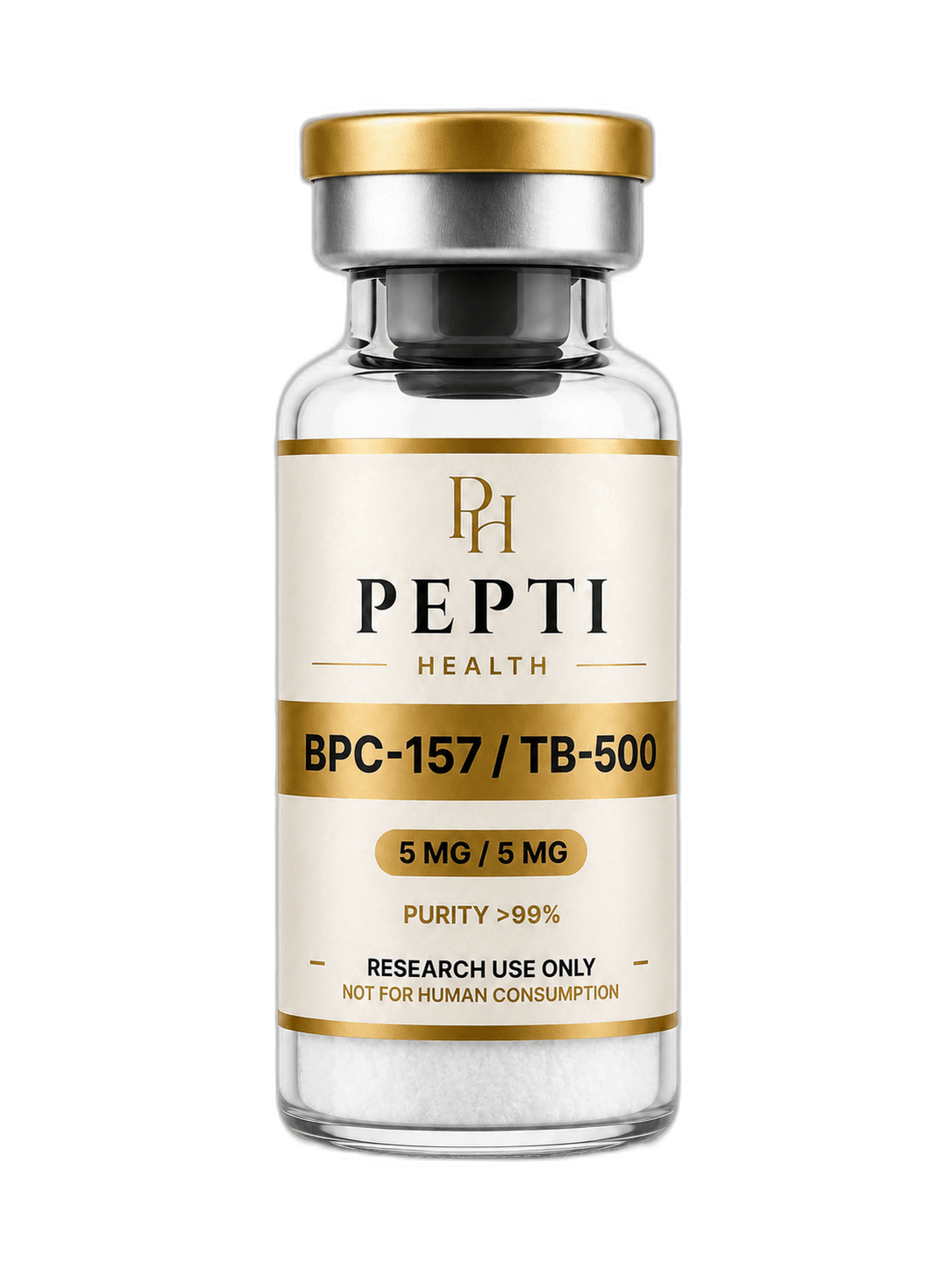 BPC-157, TB-500 (Blend)View details
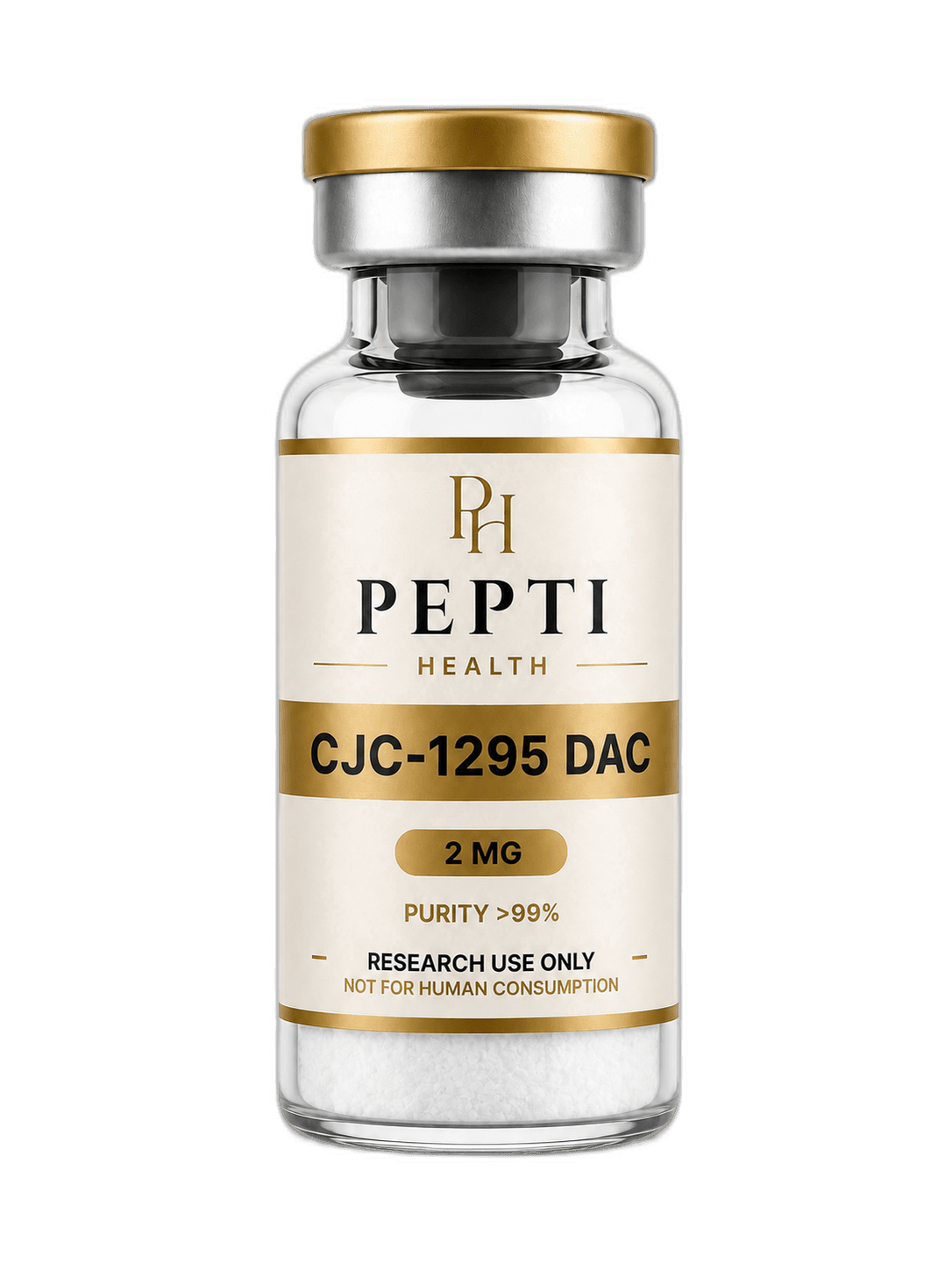 CJC-1295 DACView details
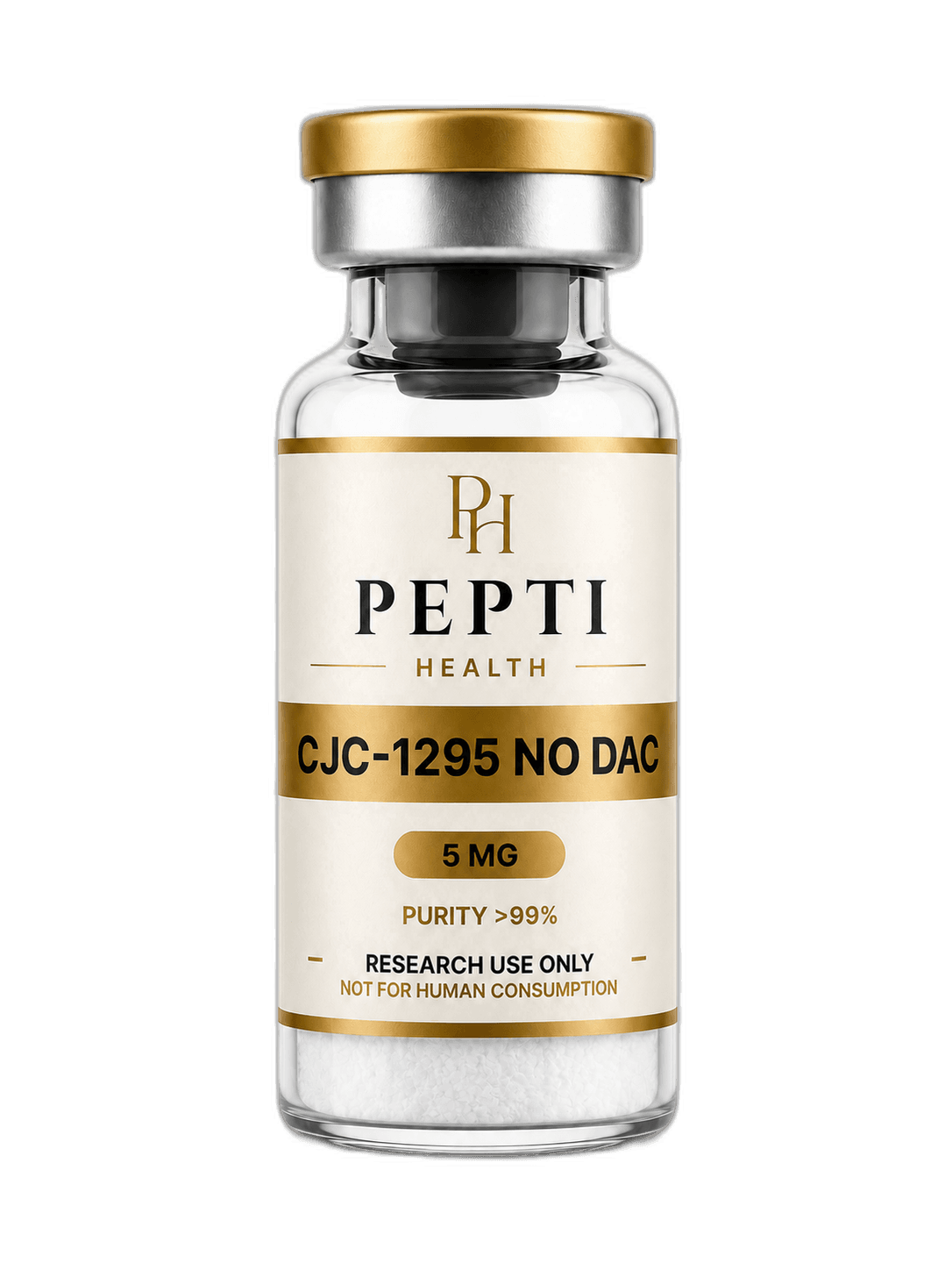 CJC-1295 No DACView details
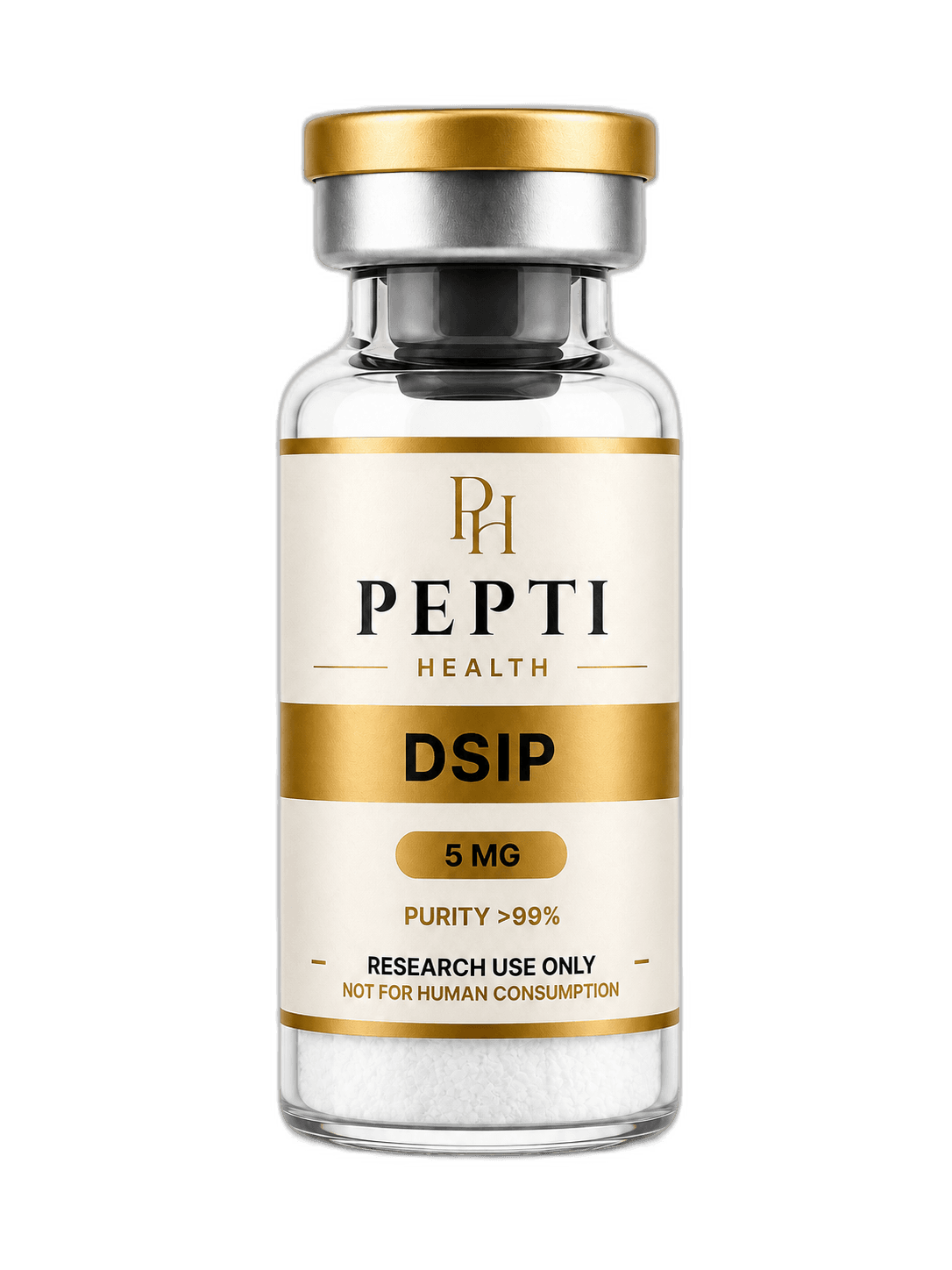 DSIP (Delta Sleep-Inducing Peptide)View details
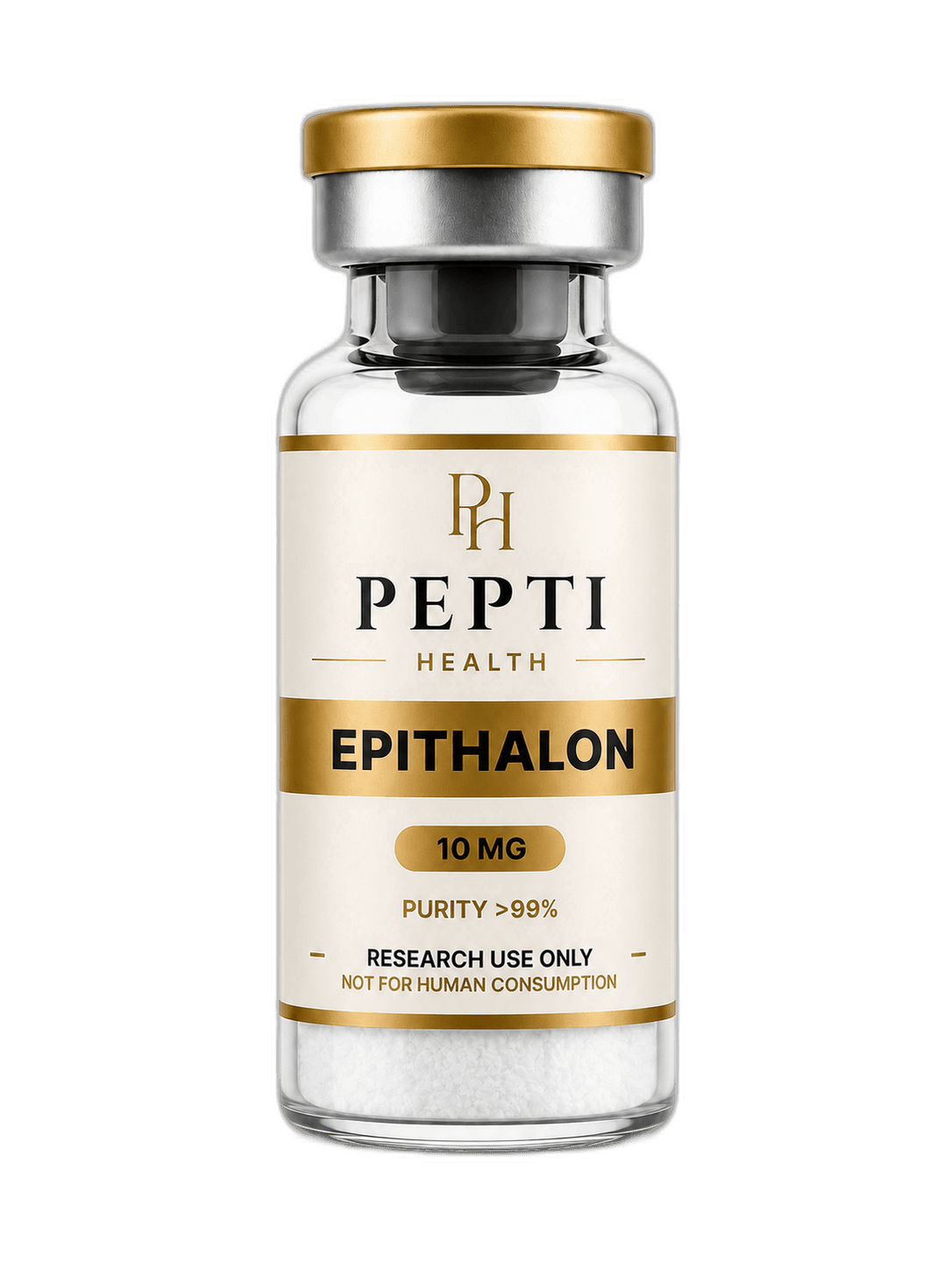 EpithalonView details
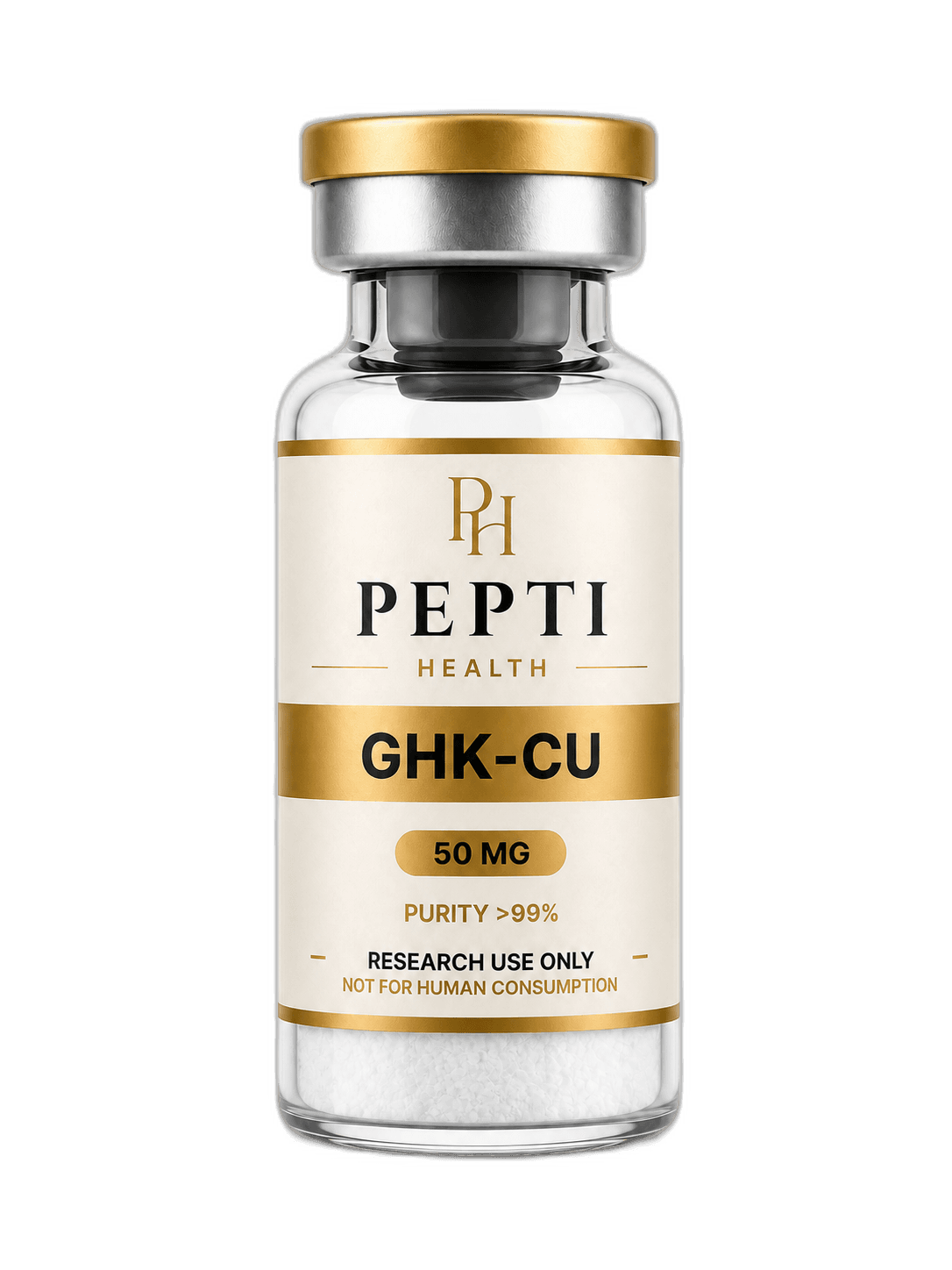 GHK-Cu (Copper Peptide)View details
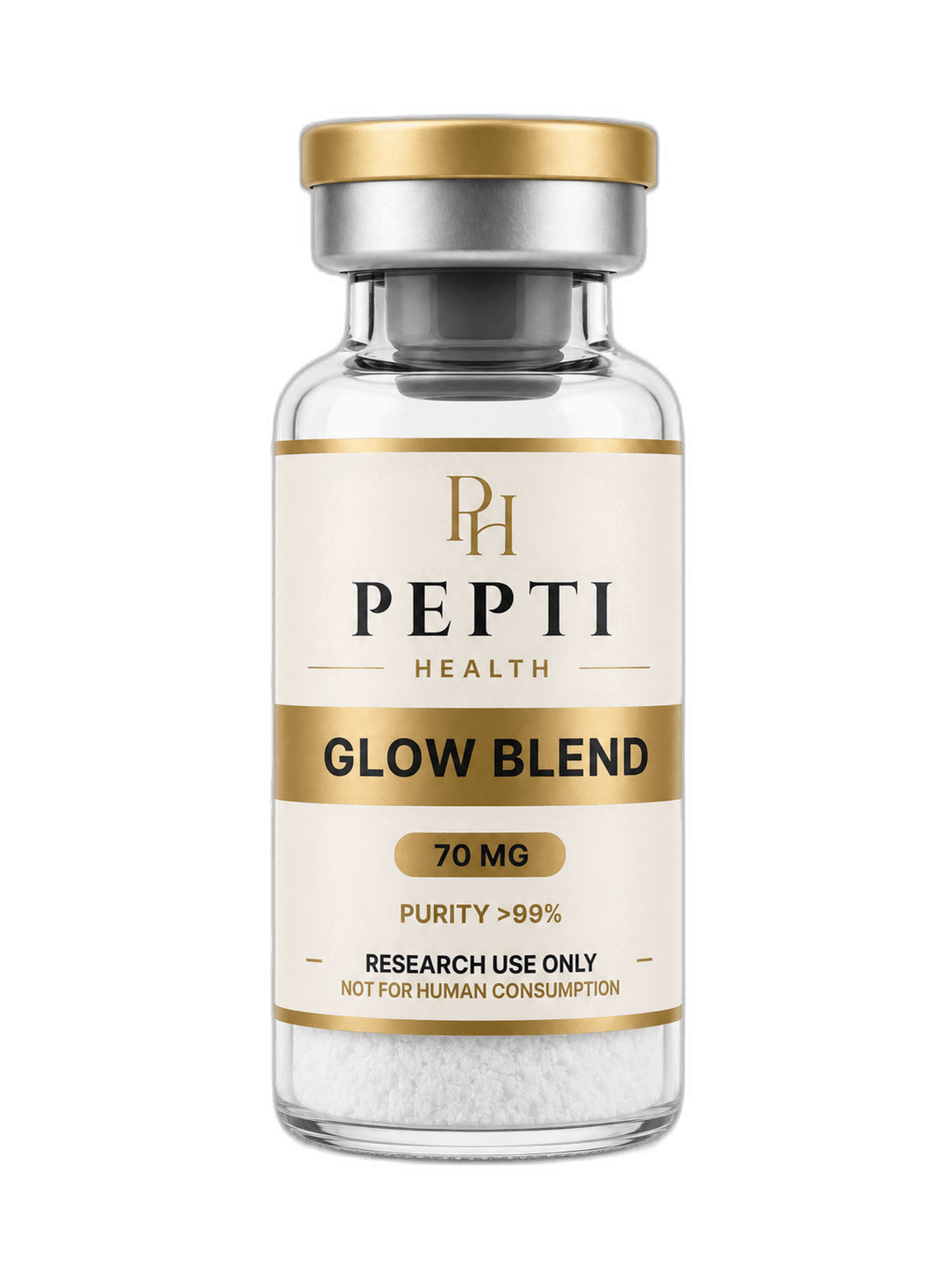 Glow Blend (BPC-157, TB-500, GHK-Cu)View details
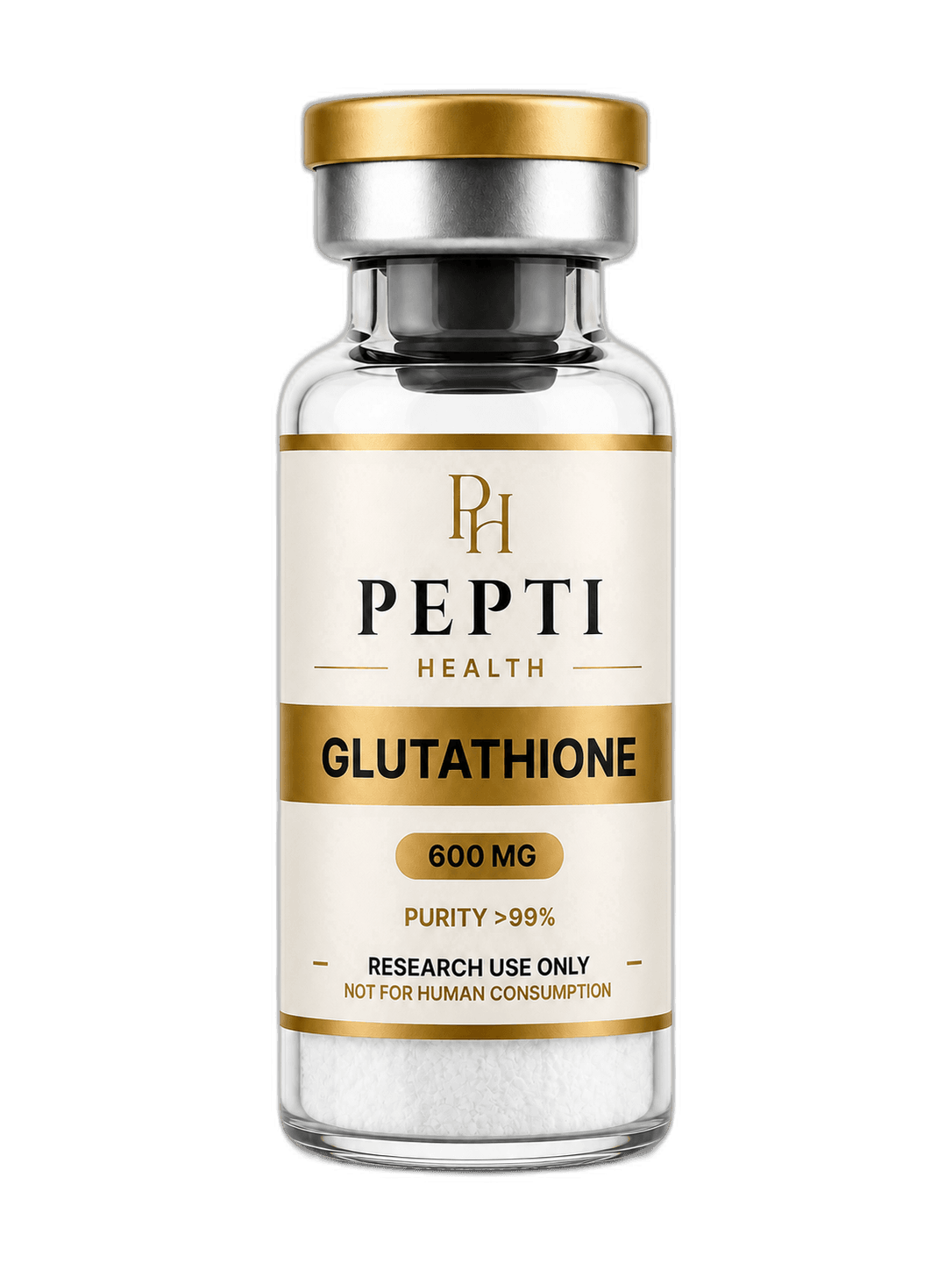 GlutathioneView details
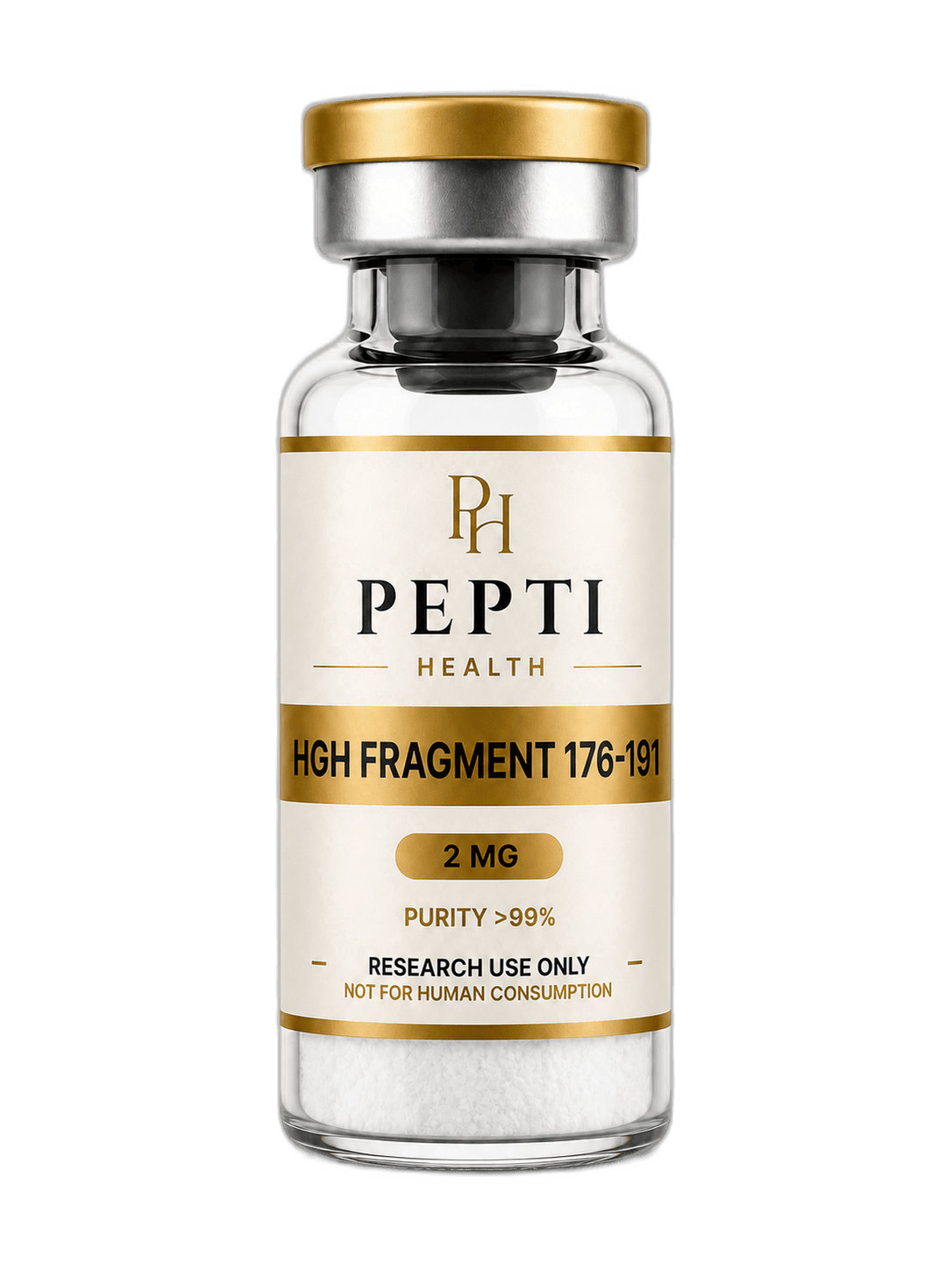 HGH Fragment 176-191View details
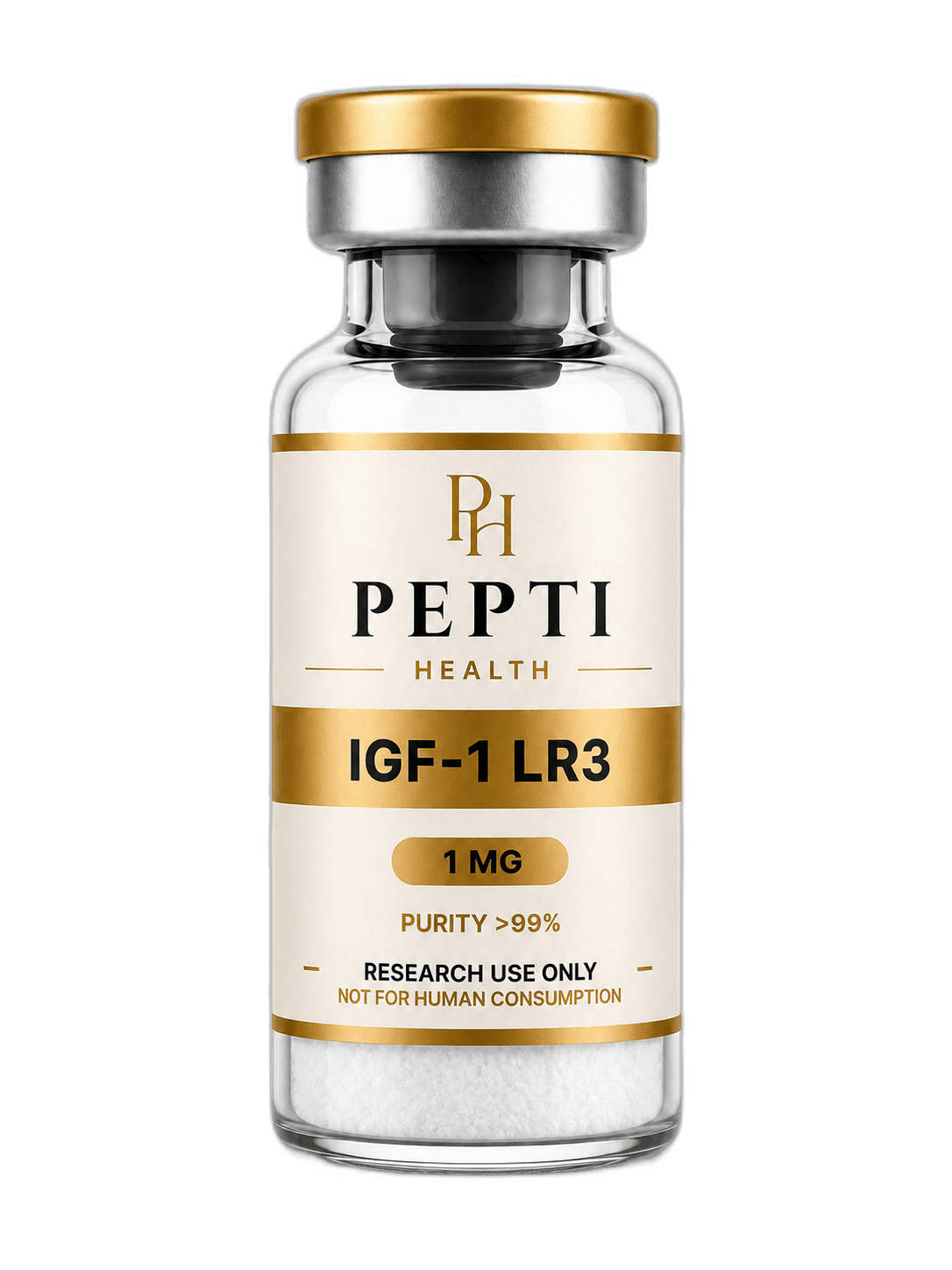 IGF-1 LR3View details
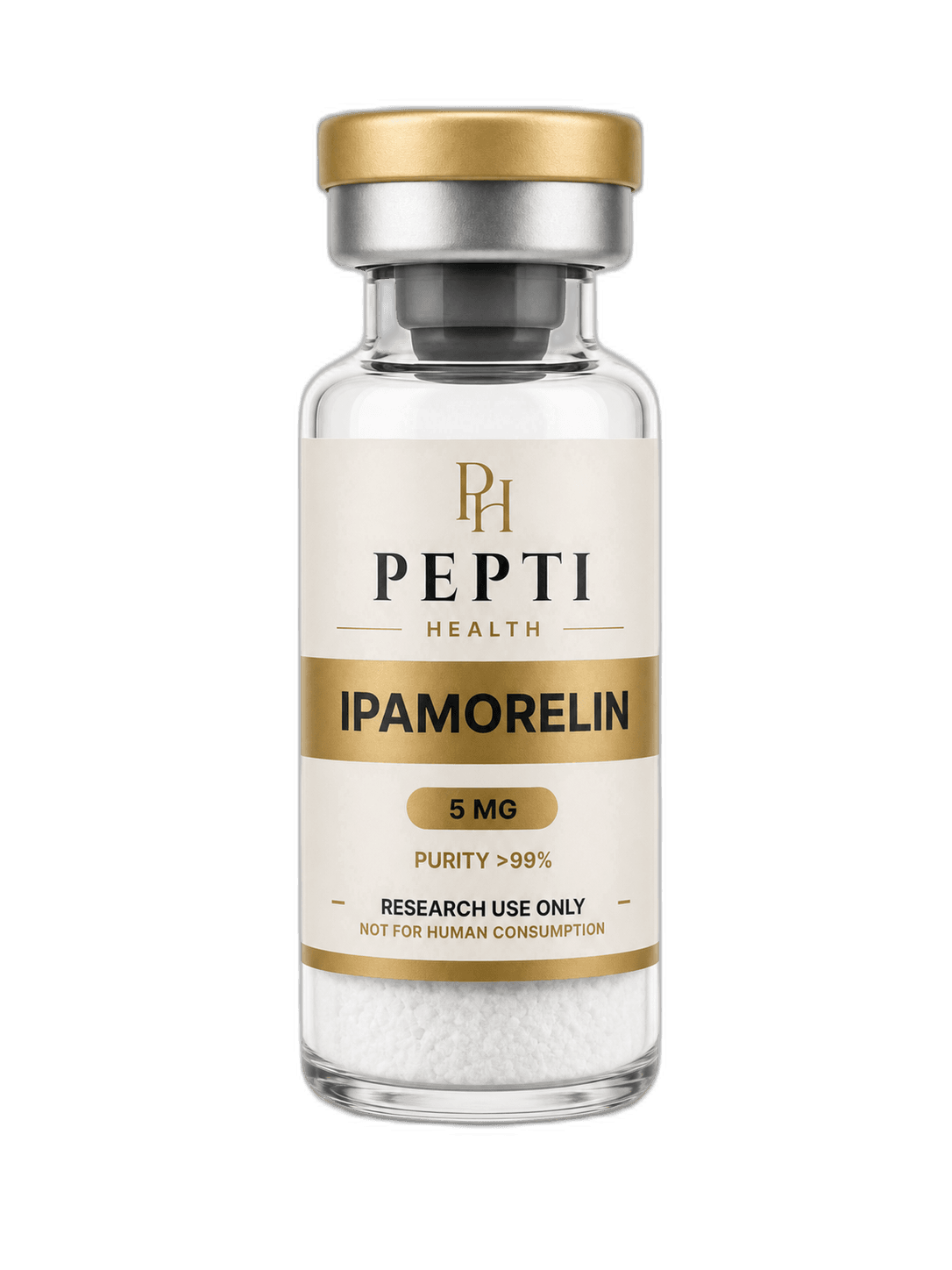 IpamorelinView details
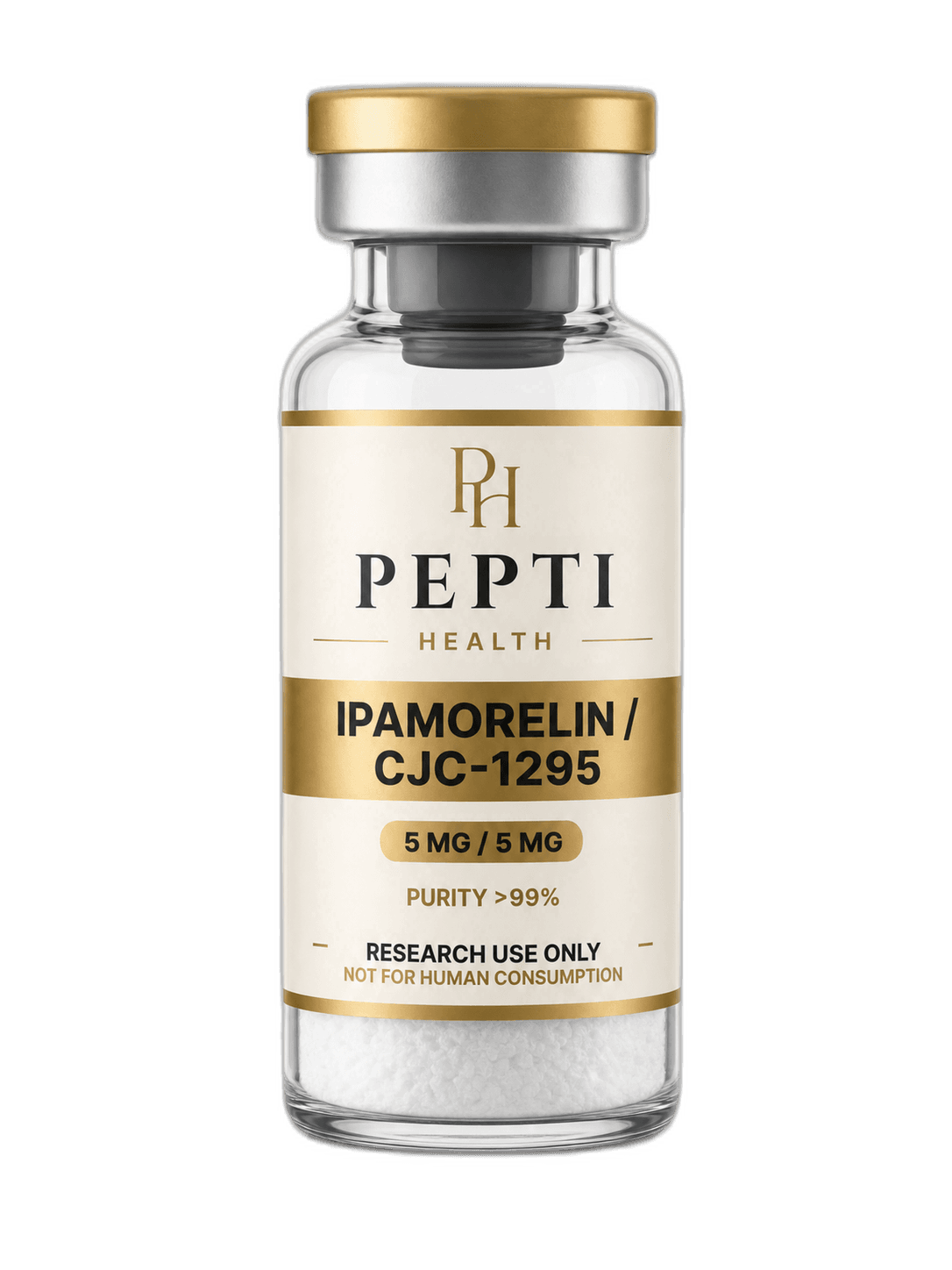 Ipamorelin, CJC-1295 No DAC (Blend)View details
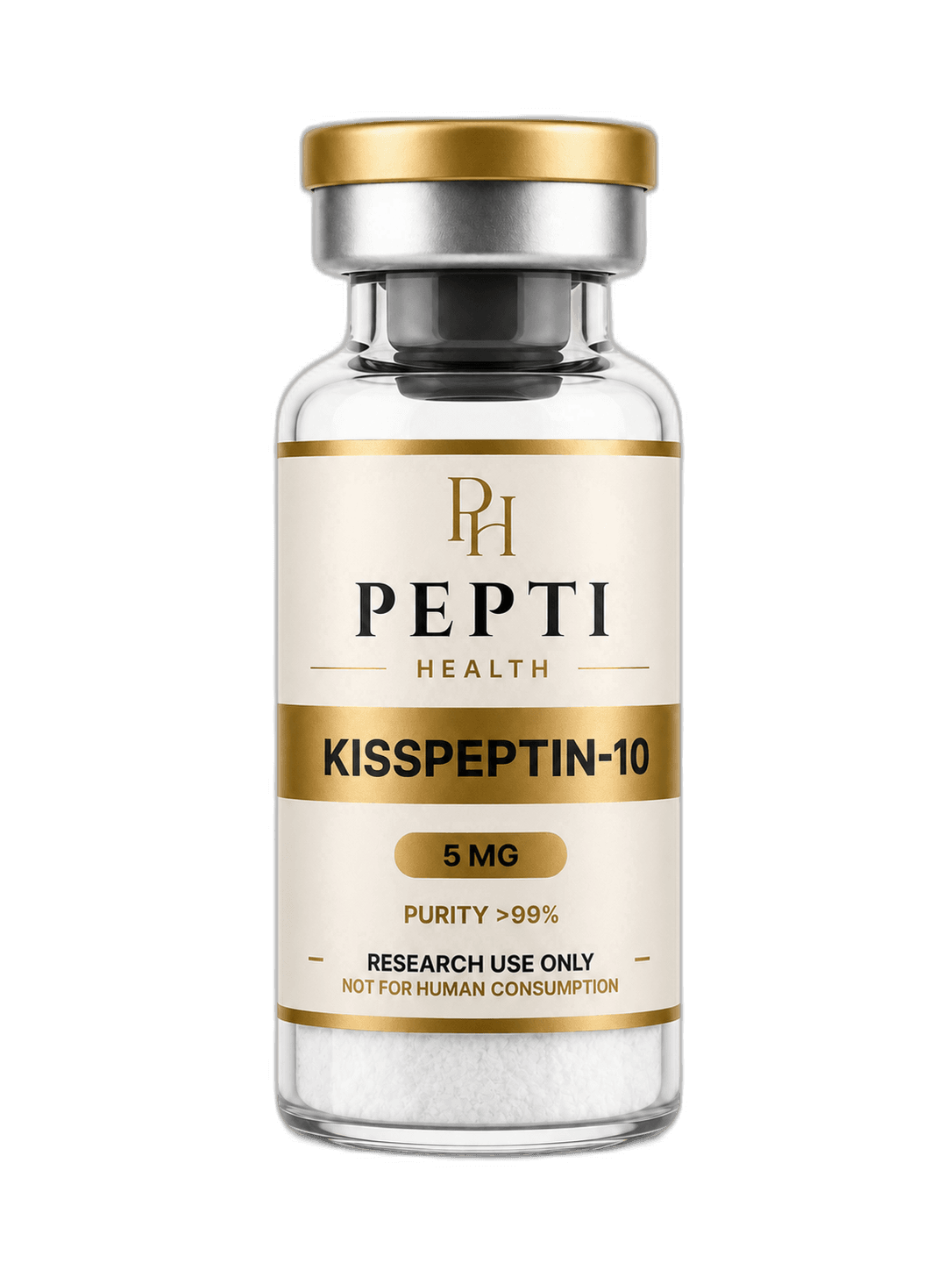 Kisspeptin-10View details
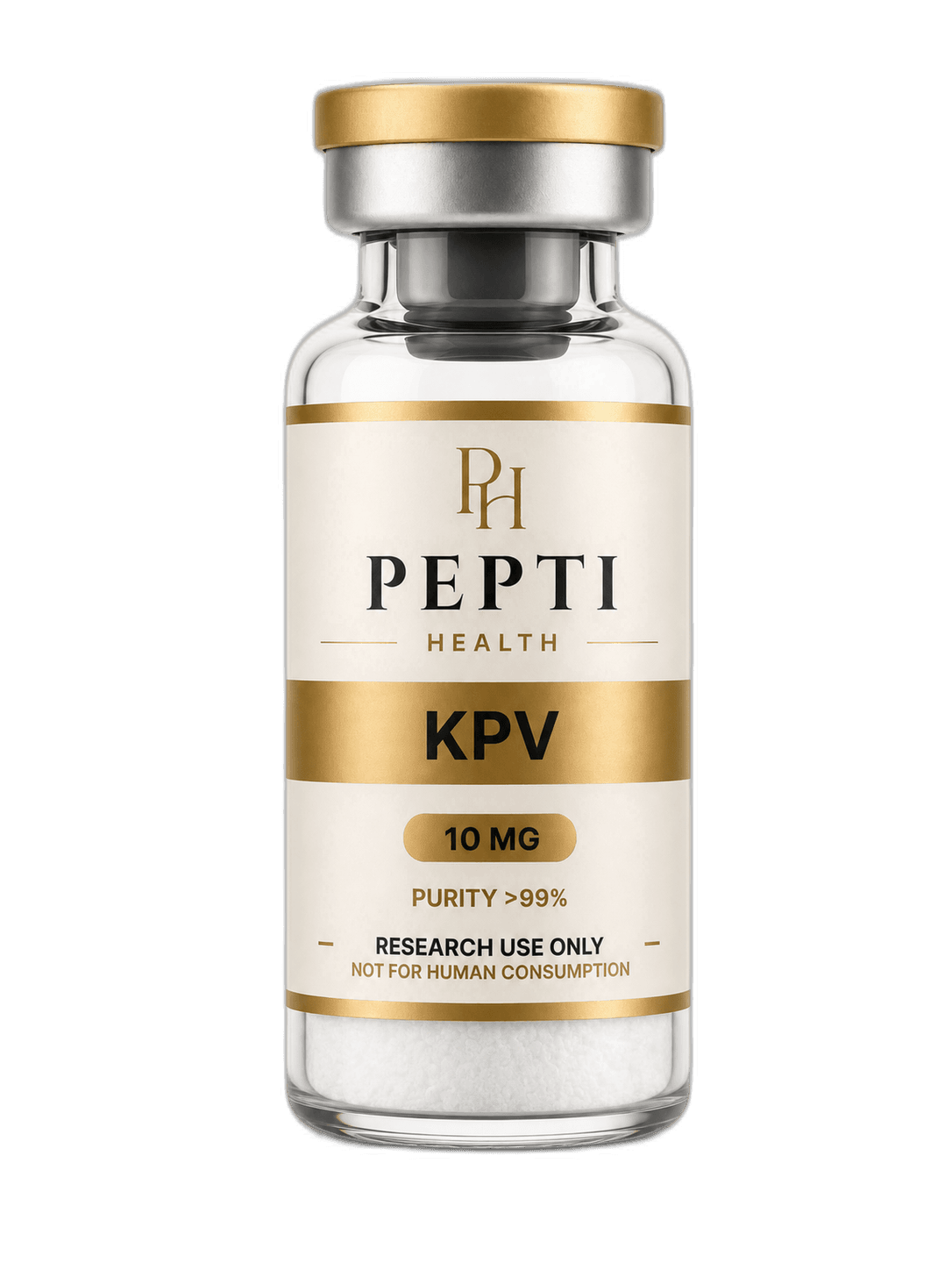 KPVView details
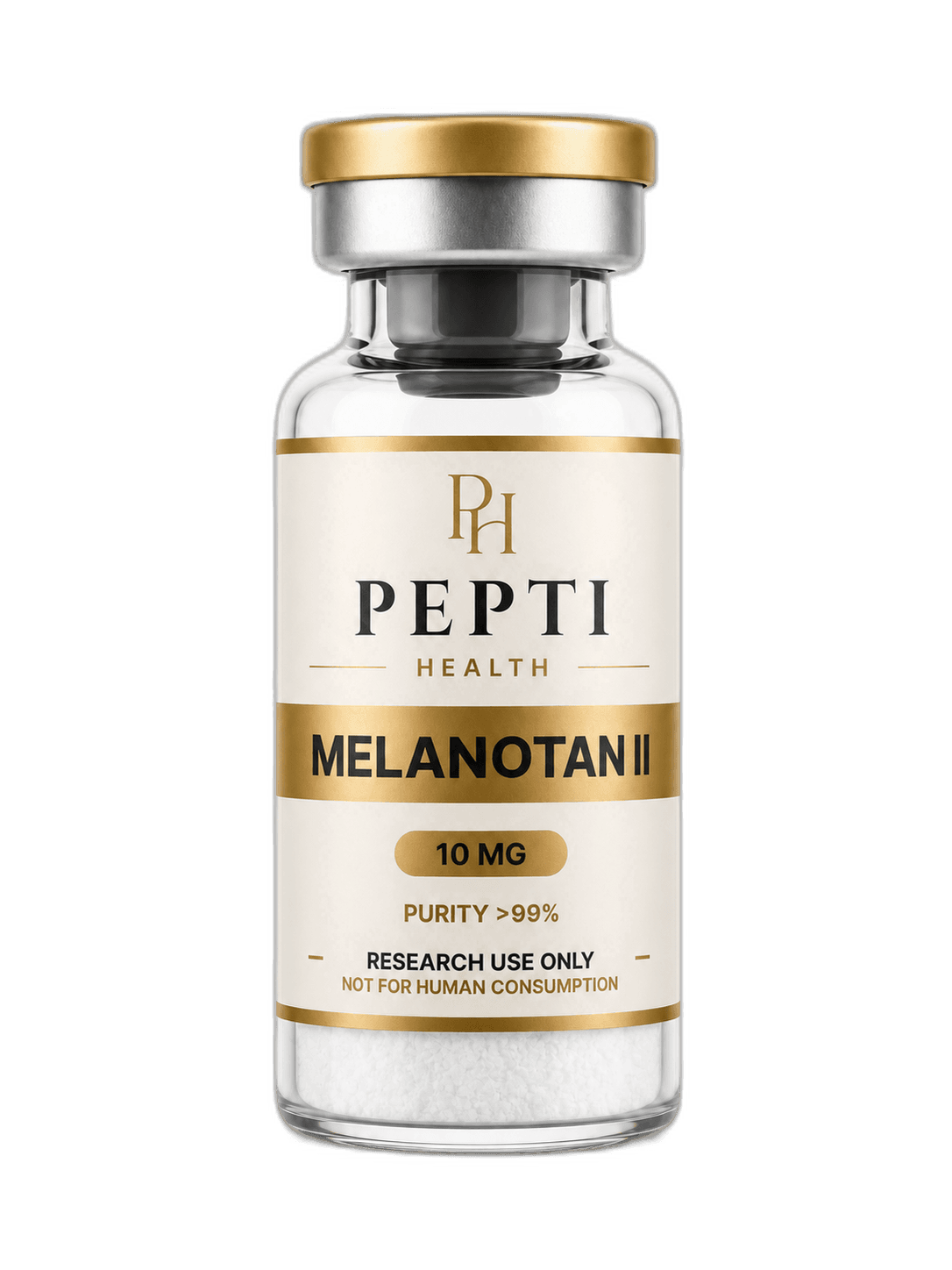 Melanotan IIView details
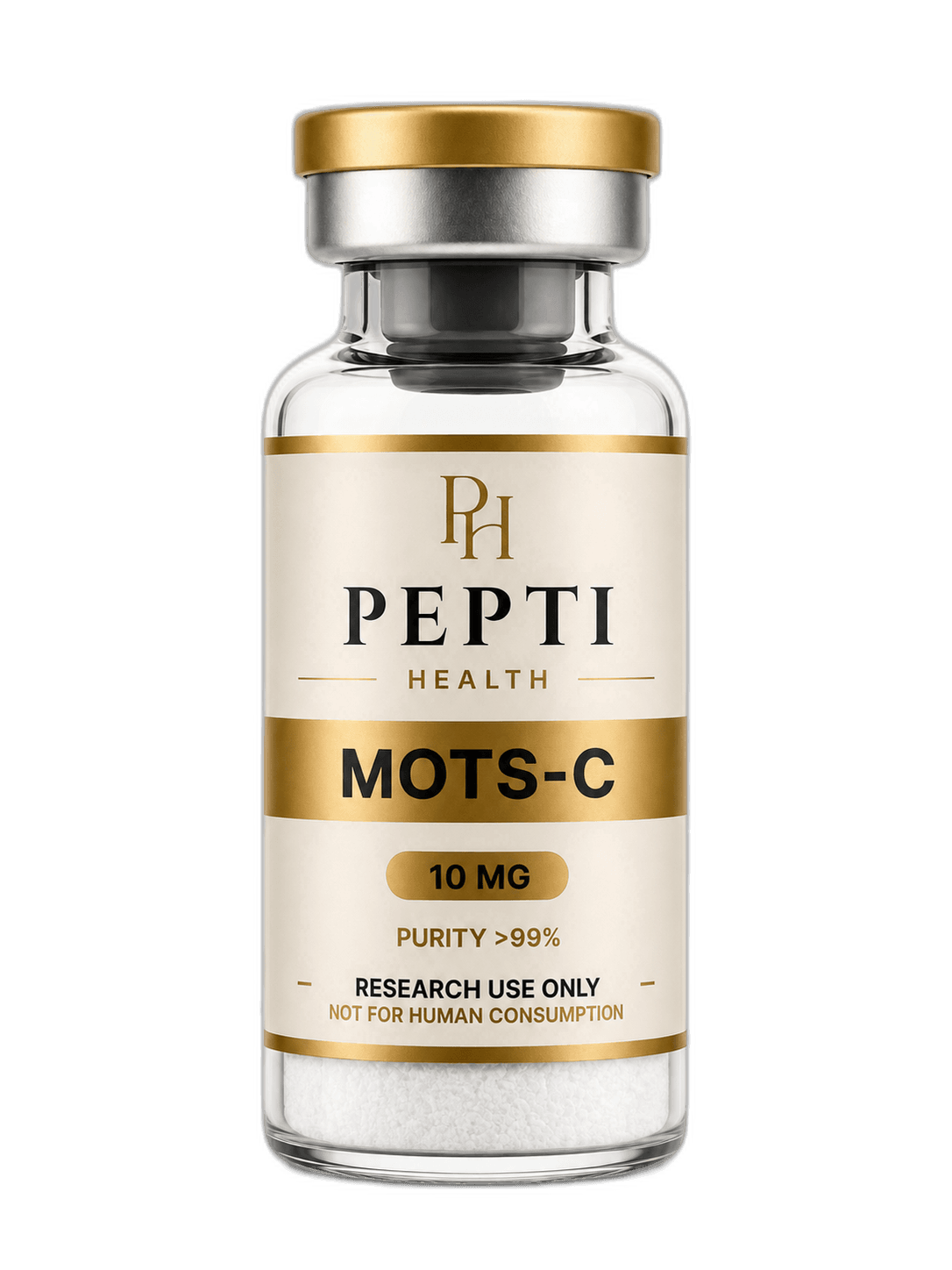 MOTS-CView details
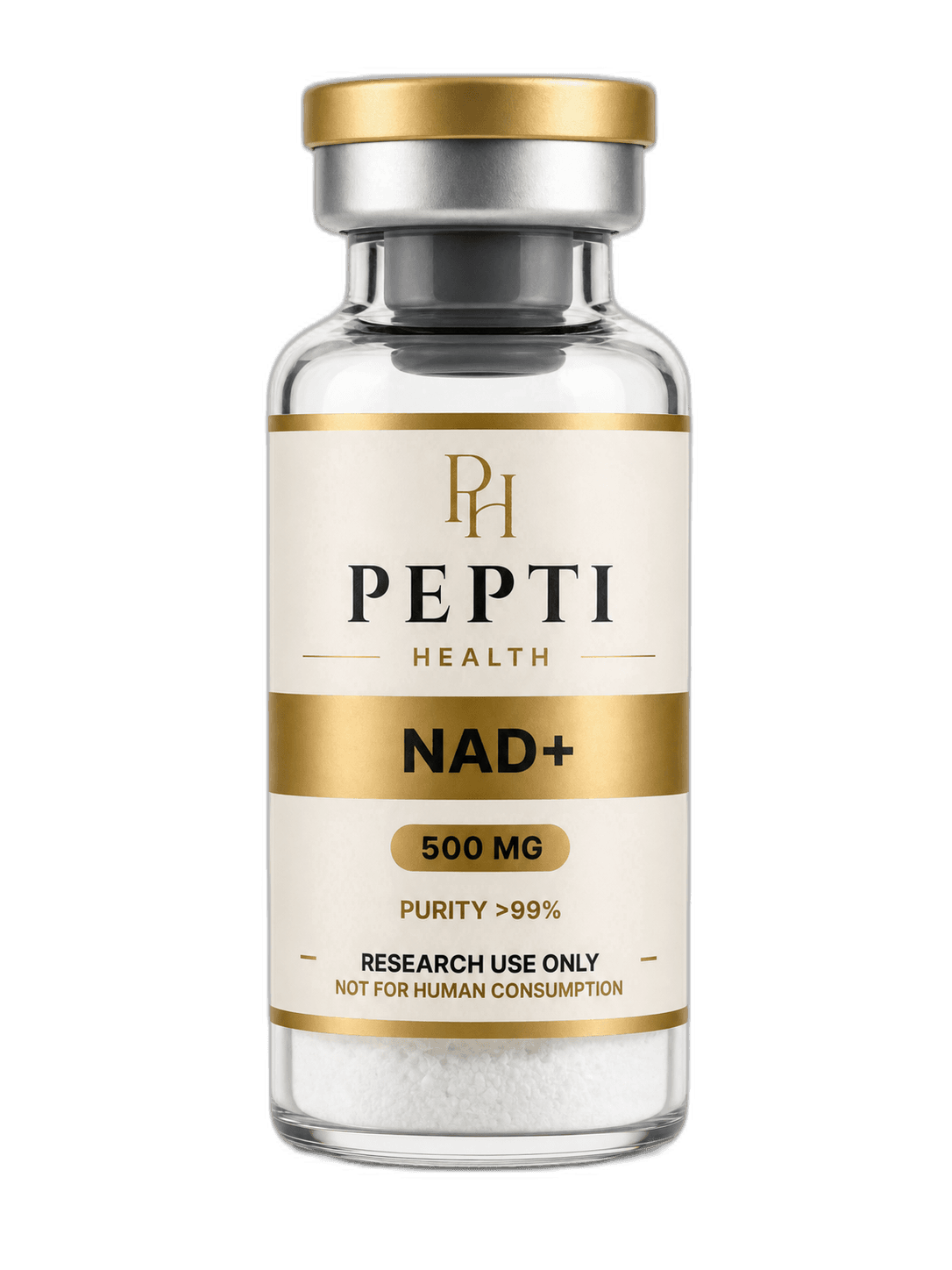 NAD+View details
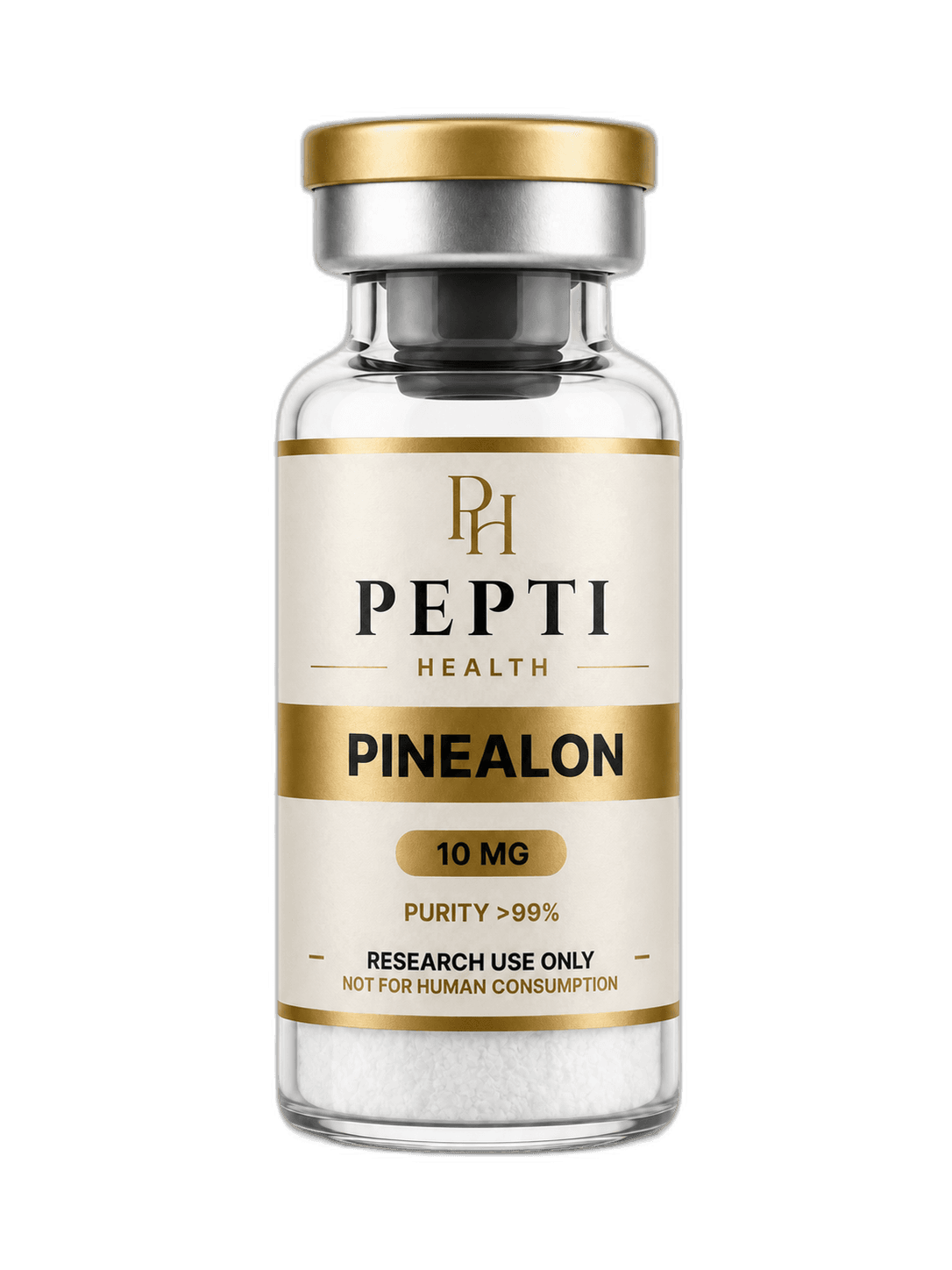 PinealonView details
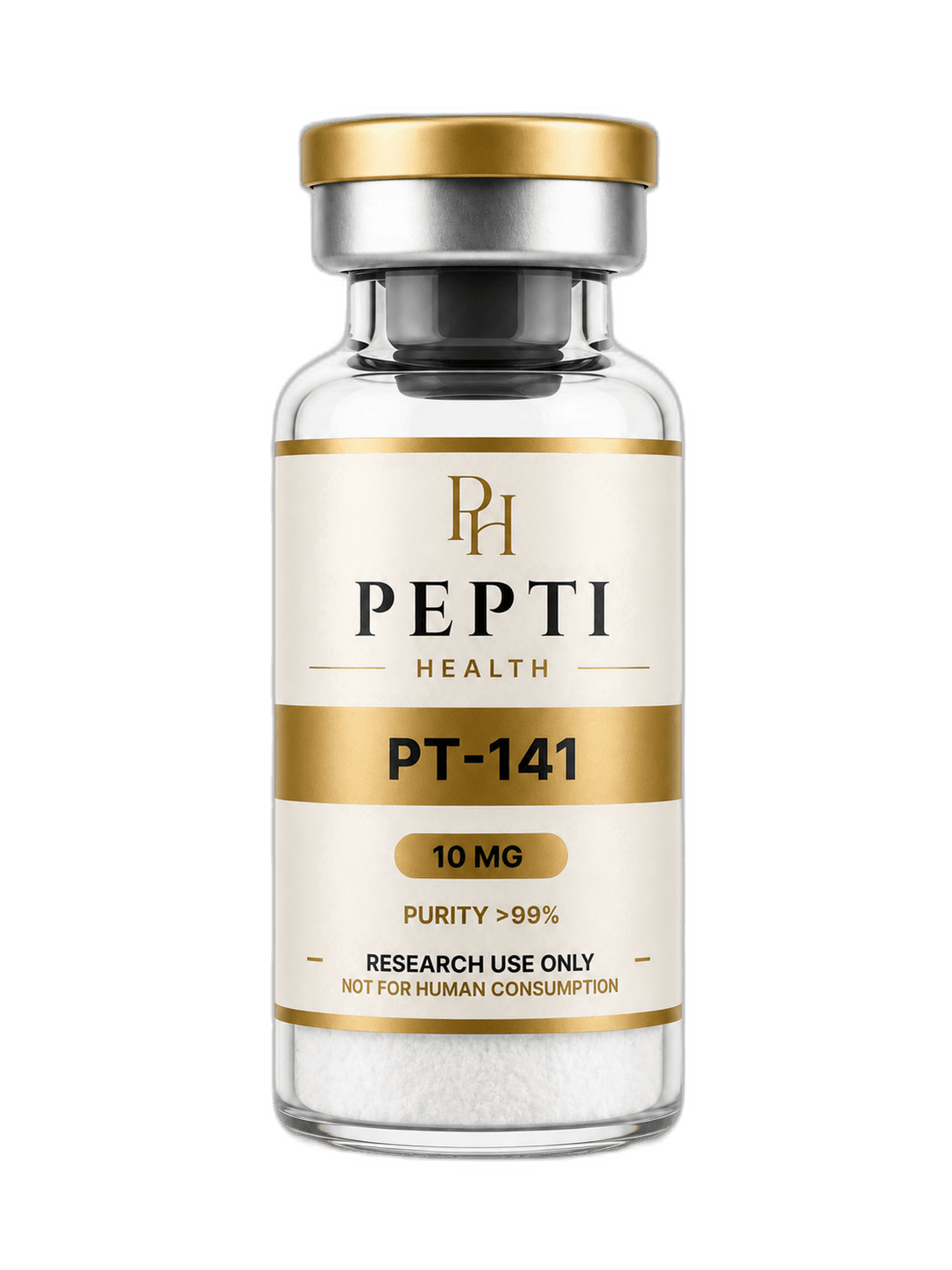 PT-141 (Bremelanotide)View details
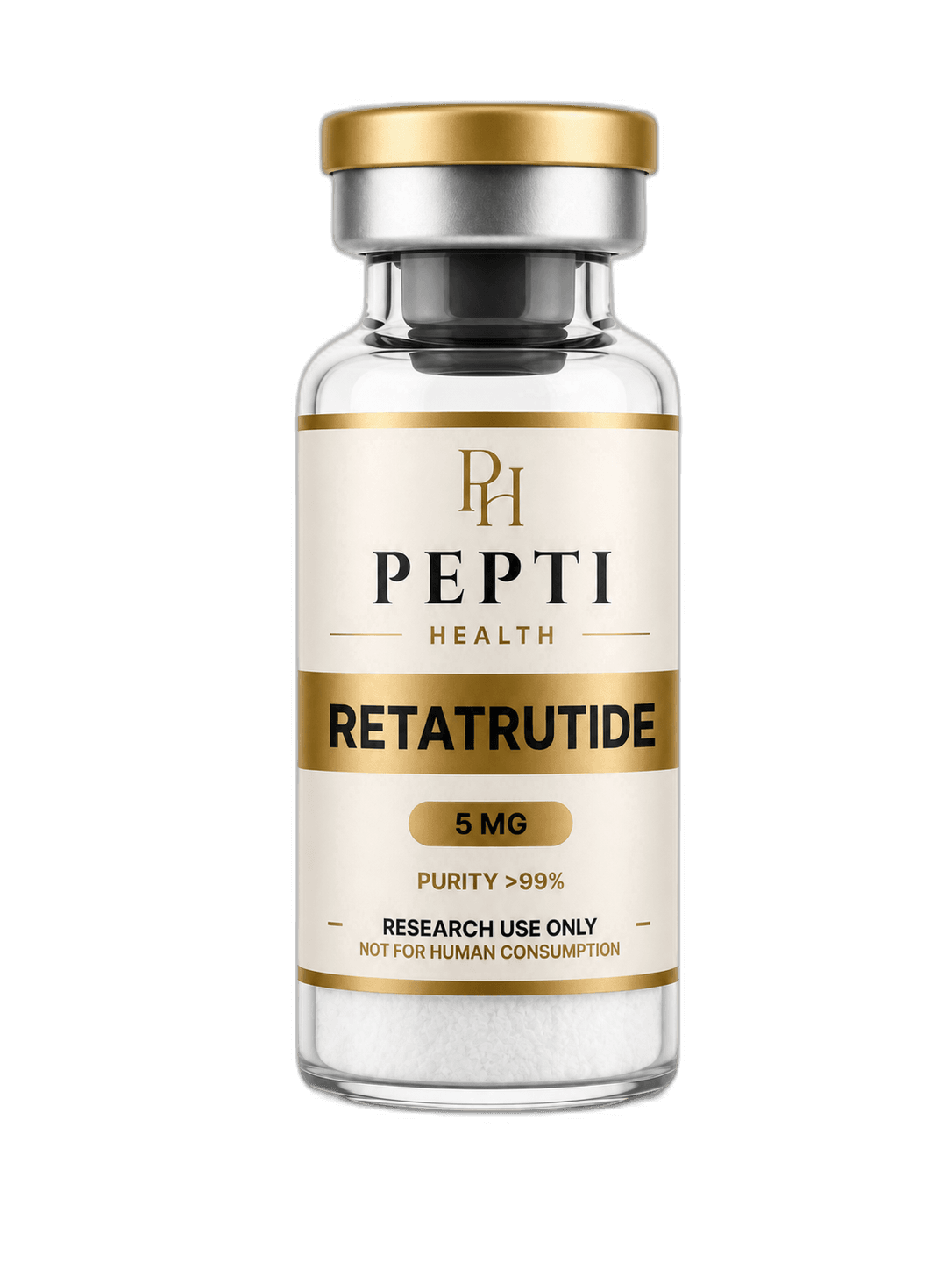 Retatrutide (GLP3-R)View details
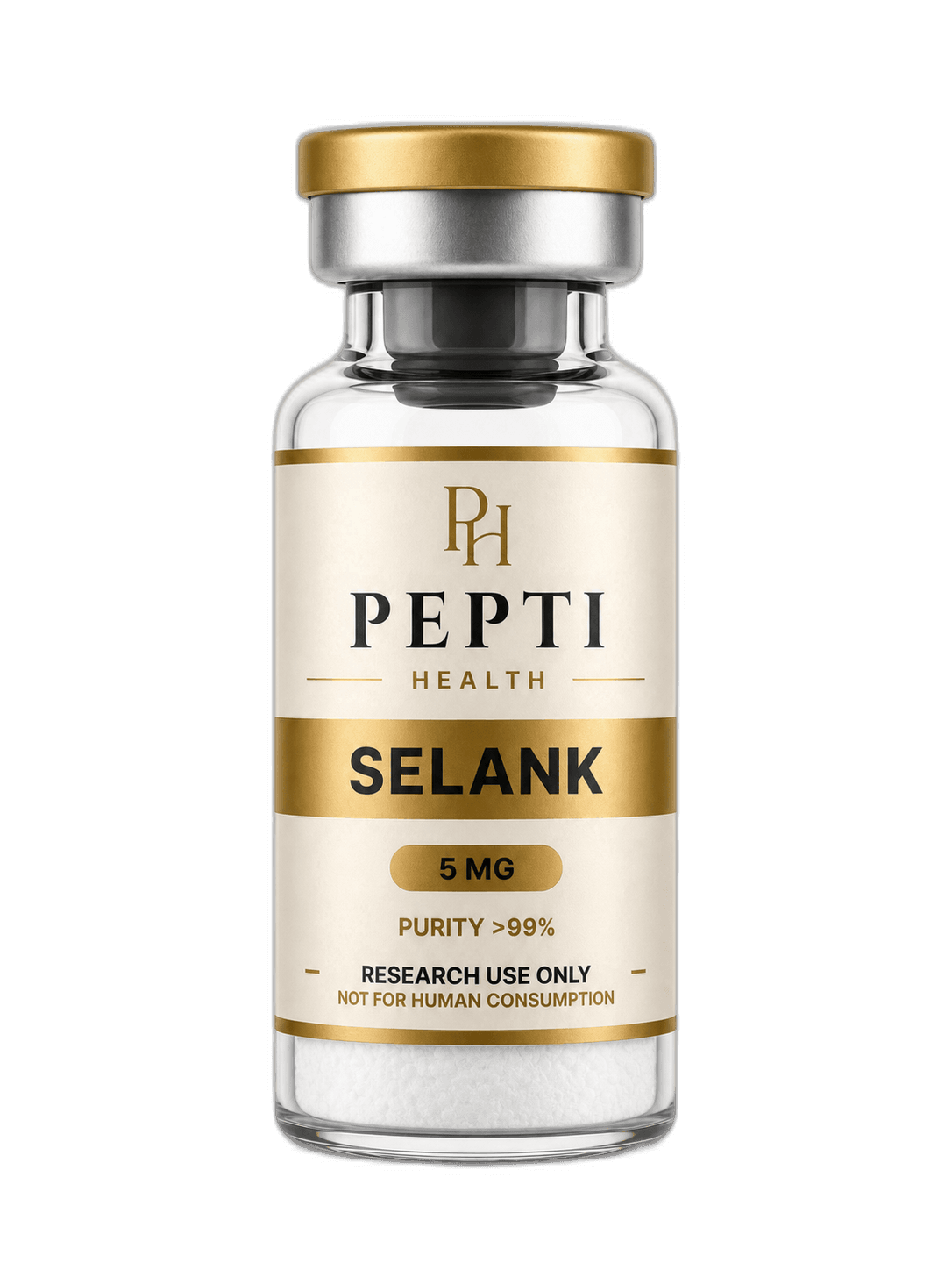 SelankView details
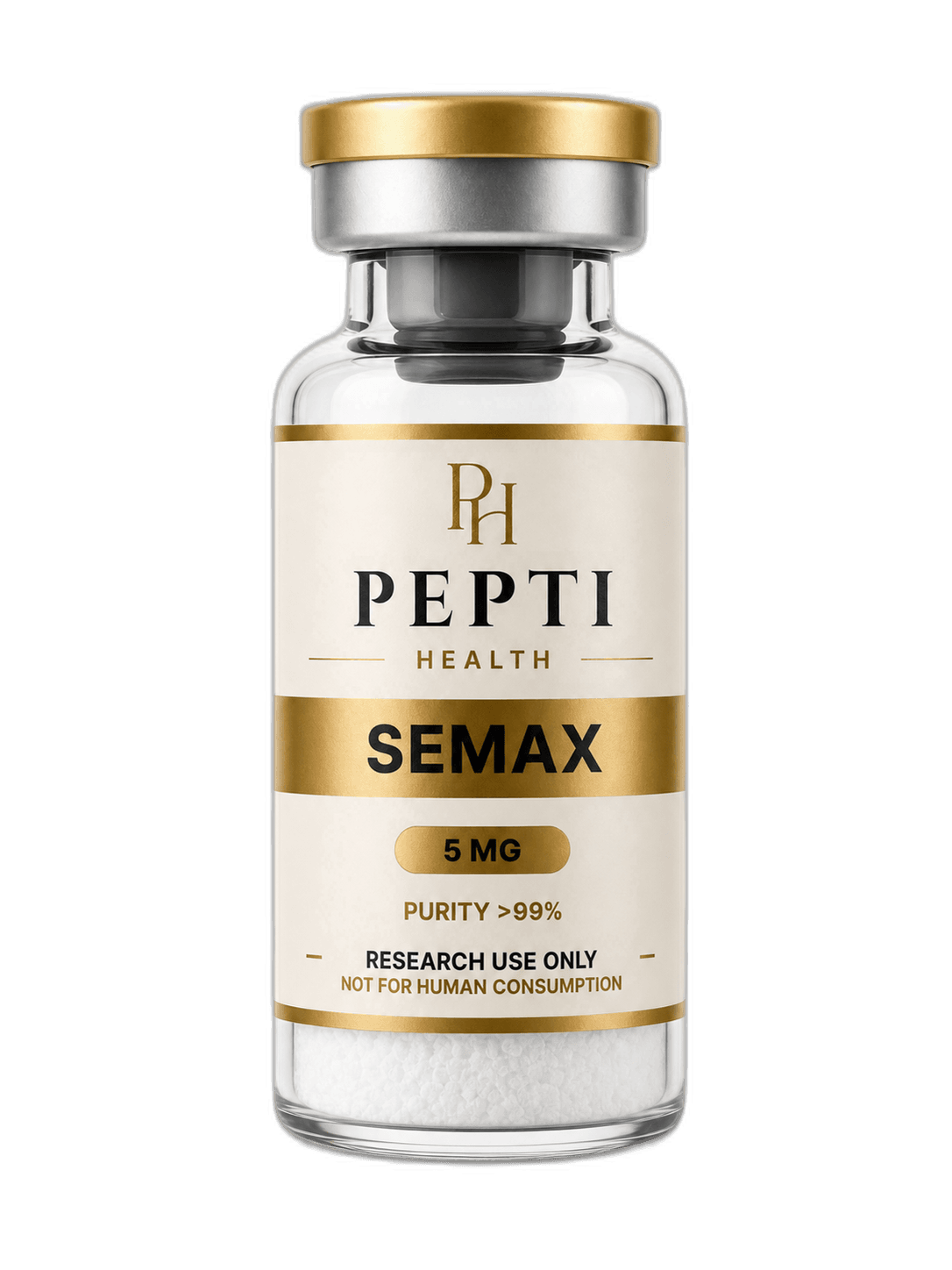 SemaxView details
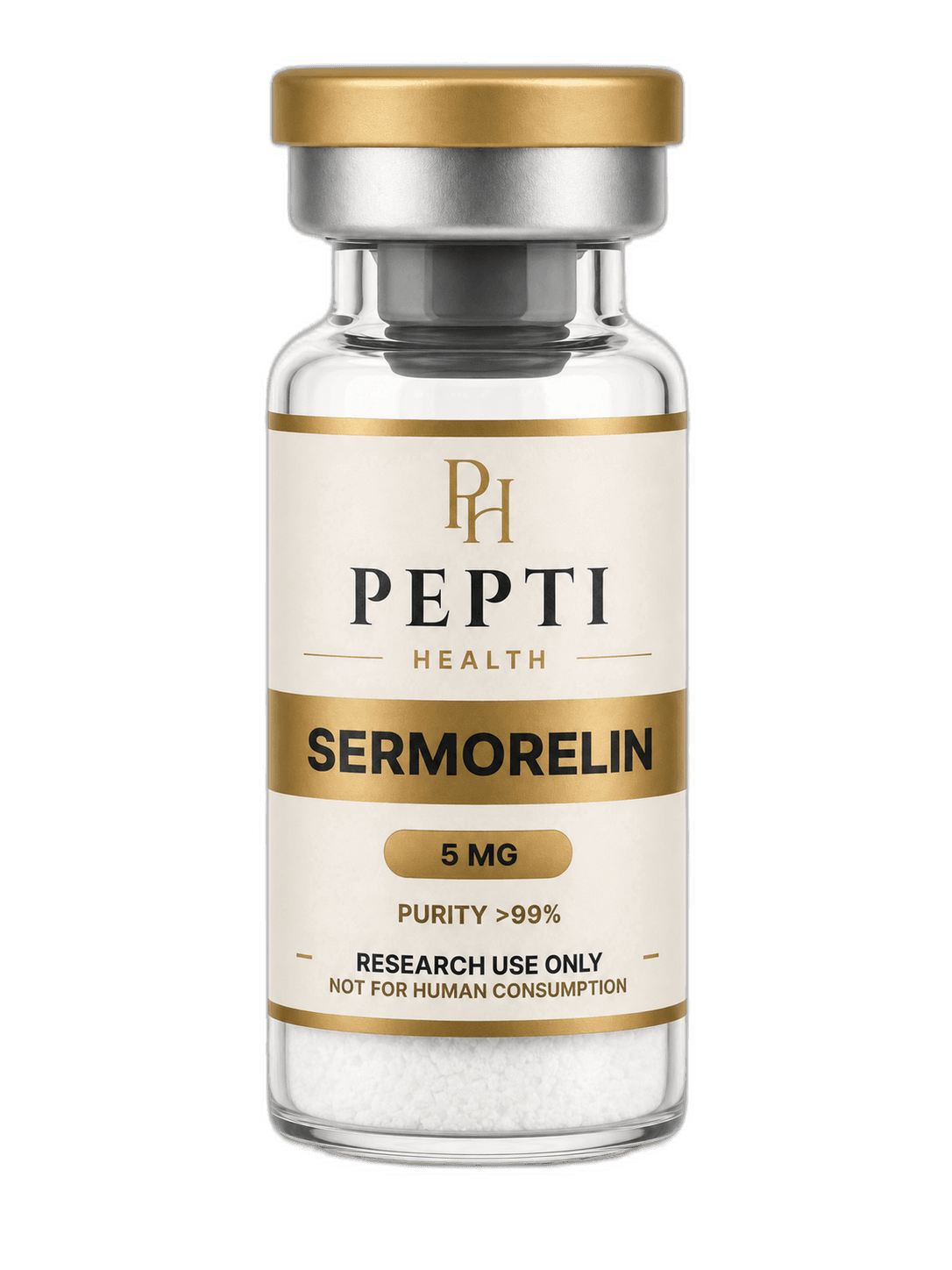 SermorelinView details
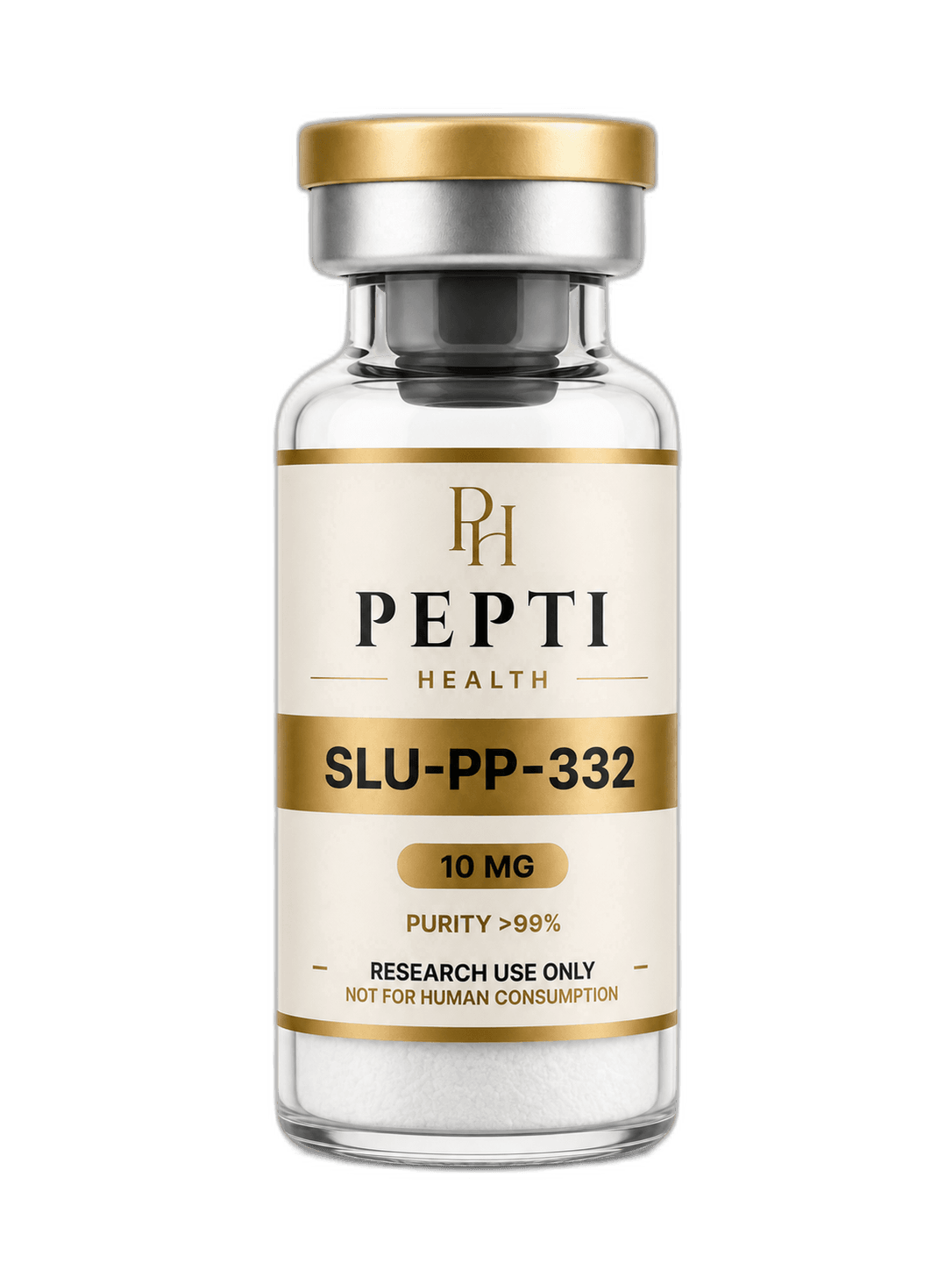 SLU-PP-332View details
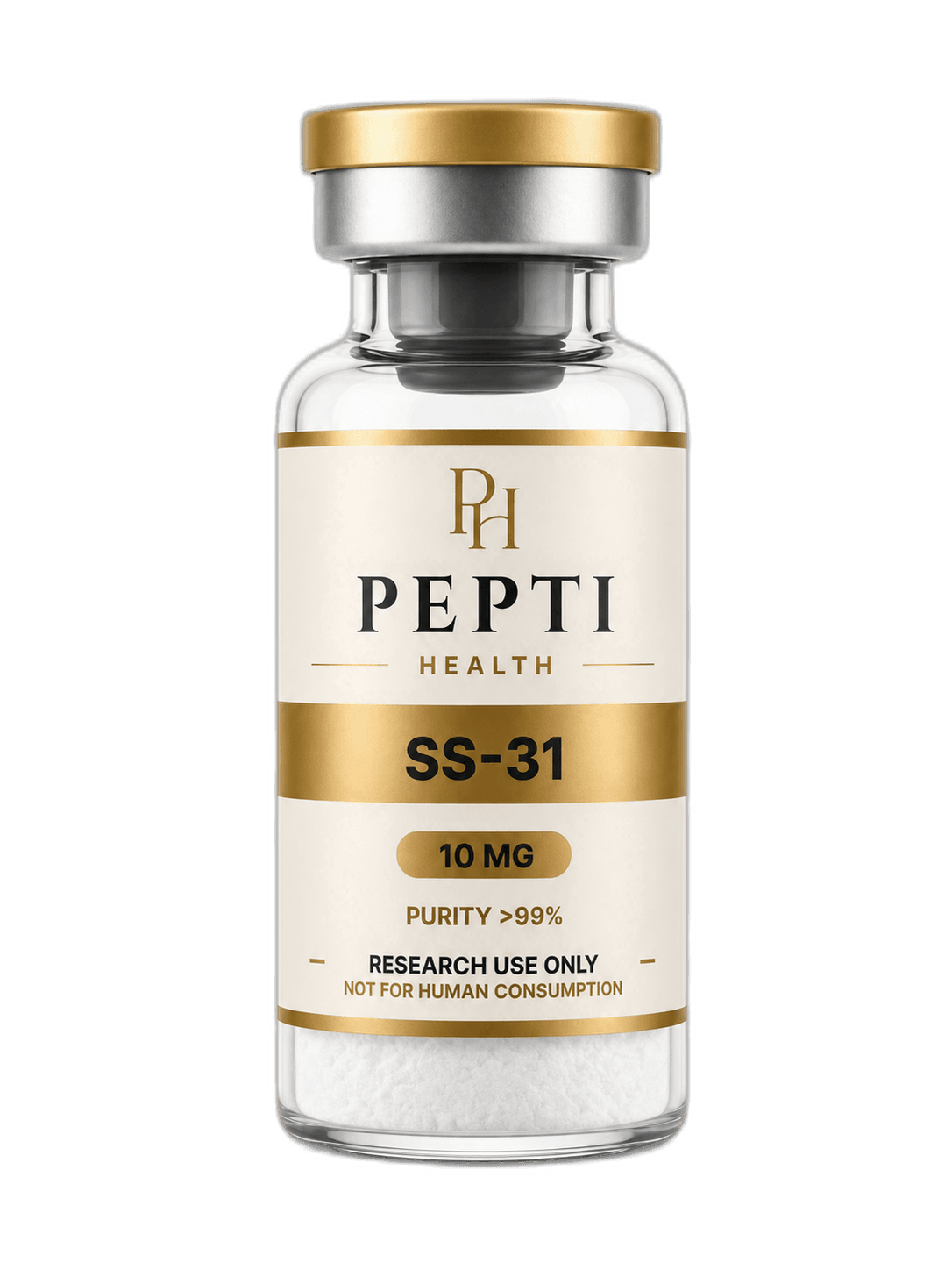 SS-31 (Elamipretide)View details
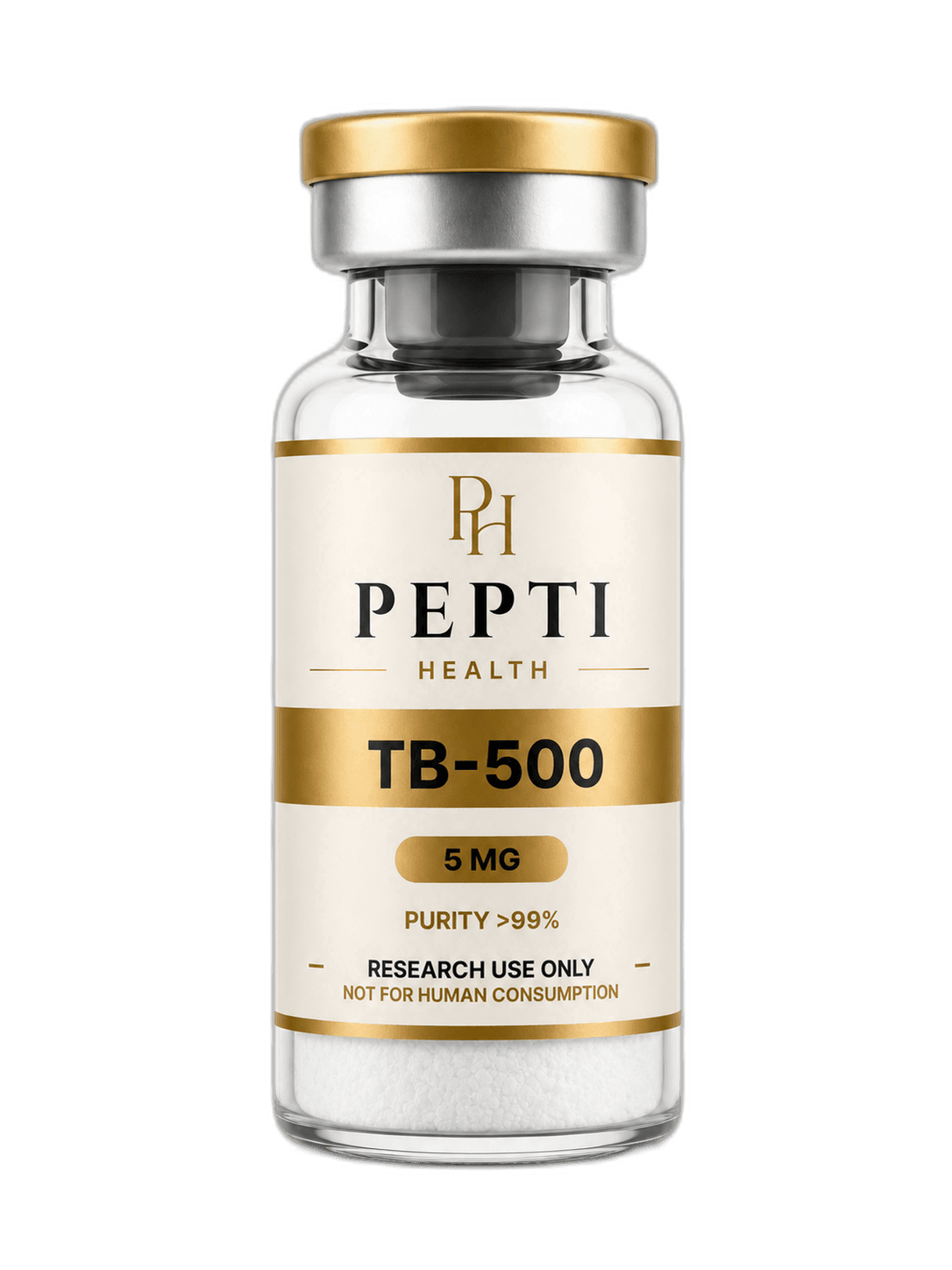 TB-500 (Thymosin Beta-4)View details
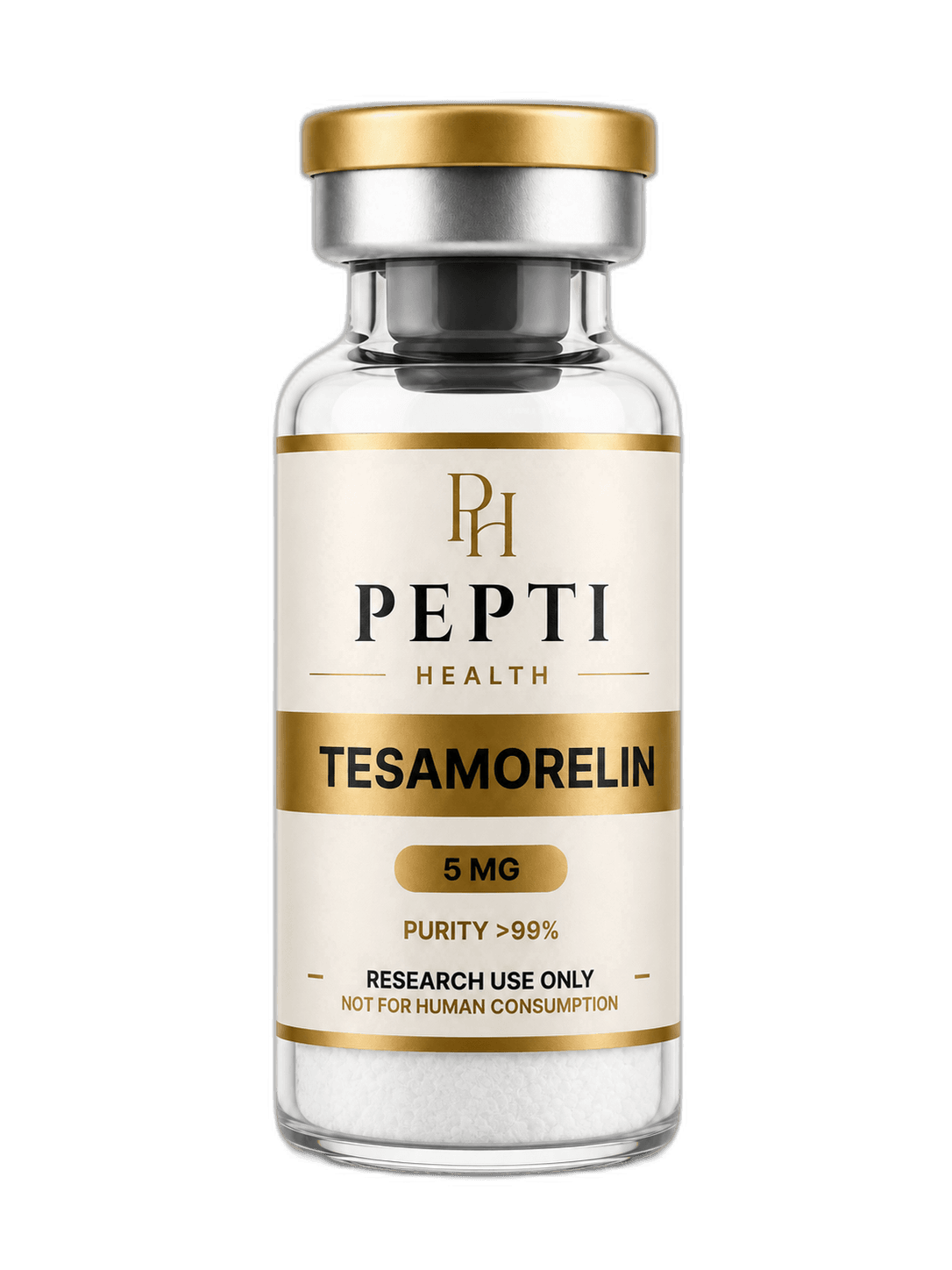 TesamorelinView details
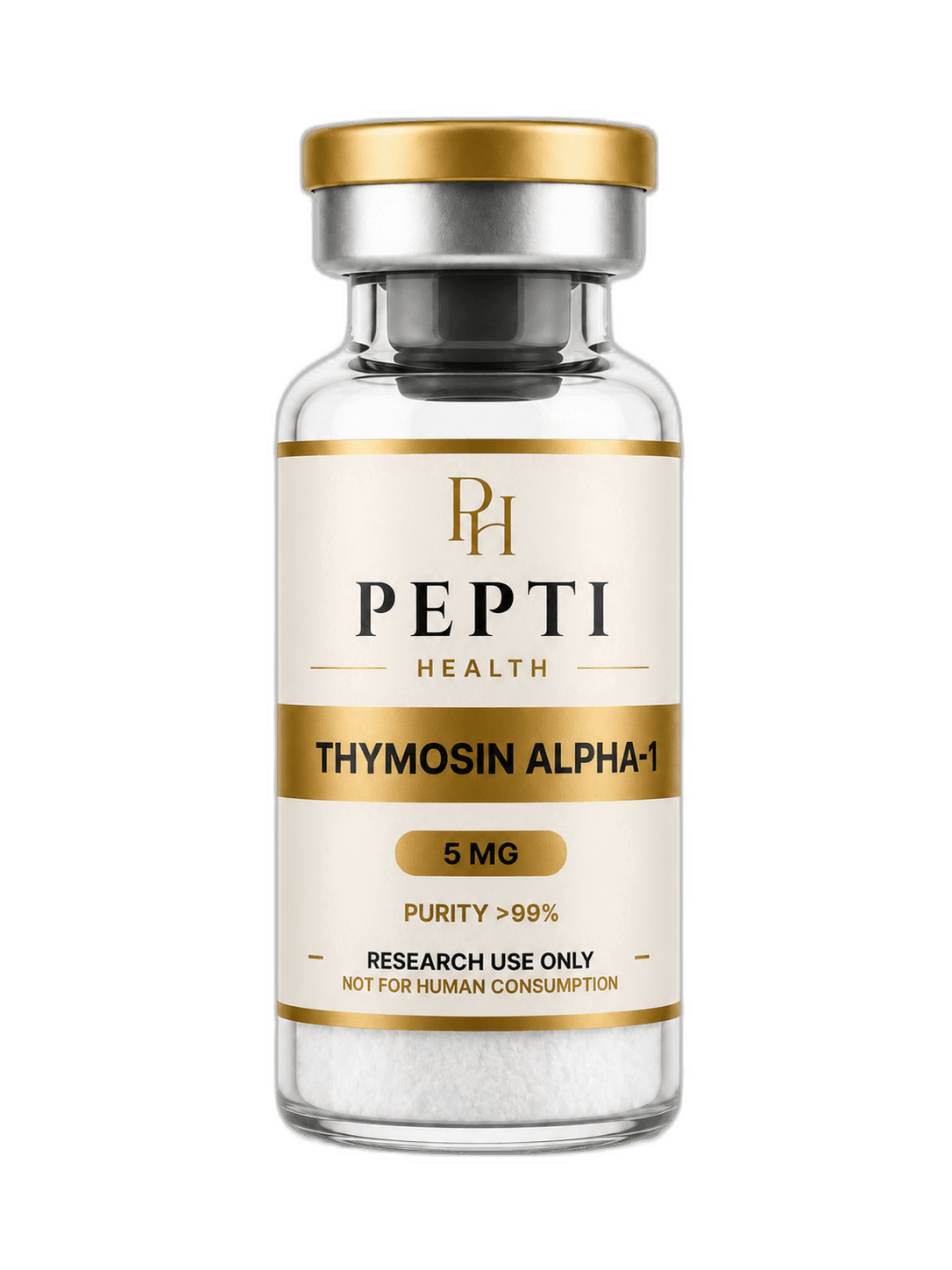 Thymosin Alpha-1View details
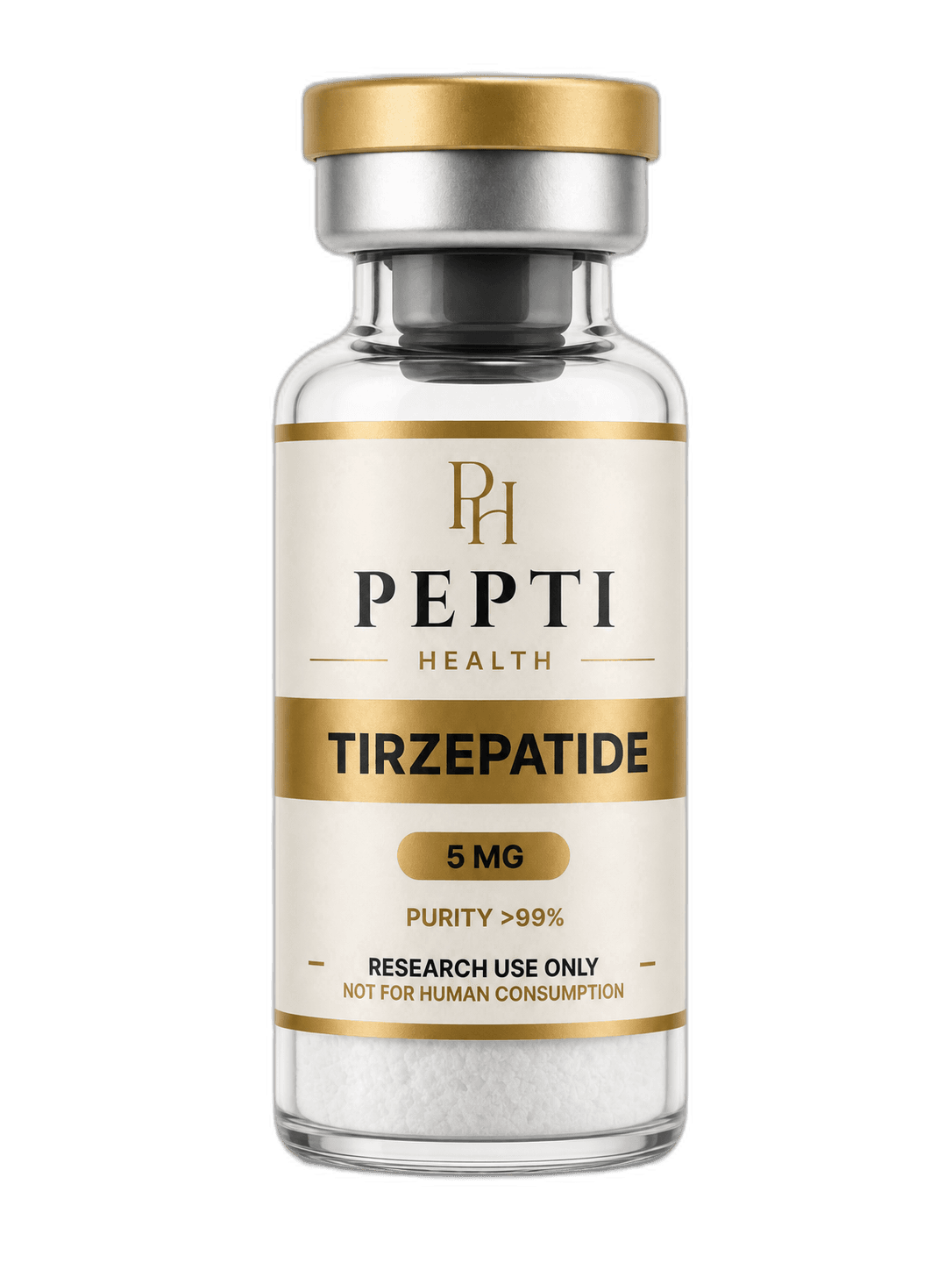 TirzepatideView details